Short version:
- Adult martial arts training typically splits into striking arts like karate and grappling arts like jiu jitsu, each building different fitness and self-defense skills.
- Weekly class schedules, beginner-friendly structure, and instructor experience matter more than style name when choosing a program.
- Fort Collins, CO based programs also extend instruction to nearby communities, including Loveland, CO.
Choosing the right discipline comes down to matching a style’s physical demands and teaching approach to personal fitness goals, schedule, and comfort with contact. Martial Arts For Adults Loveland CO generally falls into two broad categories: striking-based systems such as karate, and grappling-based systems such as jiu jitsu, each offering a distinct path toward fitness, discipline, and self-defense skill.
Adults often approach training differently than children or teens, since motivations tend to center on fitness, stress relief, and realistic self-defense rather than sport competition. Programs built specifically for grown beginners typically separate adult curriculum from youth classes to account for these different goals and physical starting points.
Comparing Common Adult Martial Arts Styles
Not every martial art trains the body or mind the same way. Reviewing the core differences helps narrow down which style fits a given fitness level, schedule, and interest in competition versus pure self-defense.
| Style | Primary Focus | Contact Level | Typical Fitness Benefit |
| Karate | Striking, forms, combative self-defense | Moderate | Balance, coordination, cardiovascular conditioning |
| Traditional Jiu Jitsu | Throws, joint control, ground defense | Moderate to high | Strength, flexibility, functional movement |
| Weapons Training | Traditional weapon forms and disarming | Low to moderate | Coordination, timing, focus |
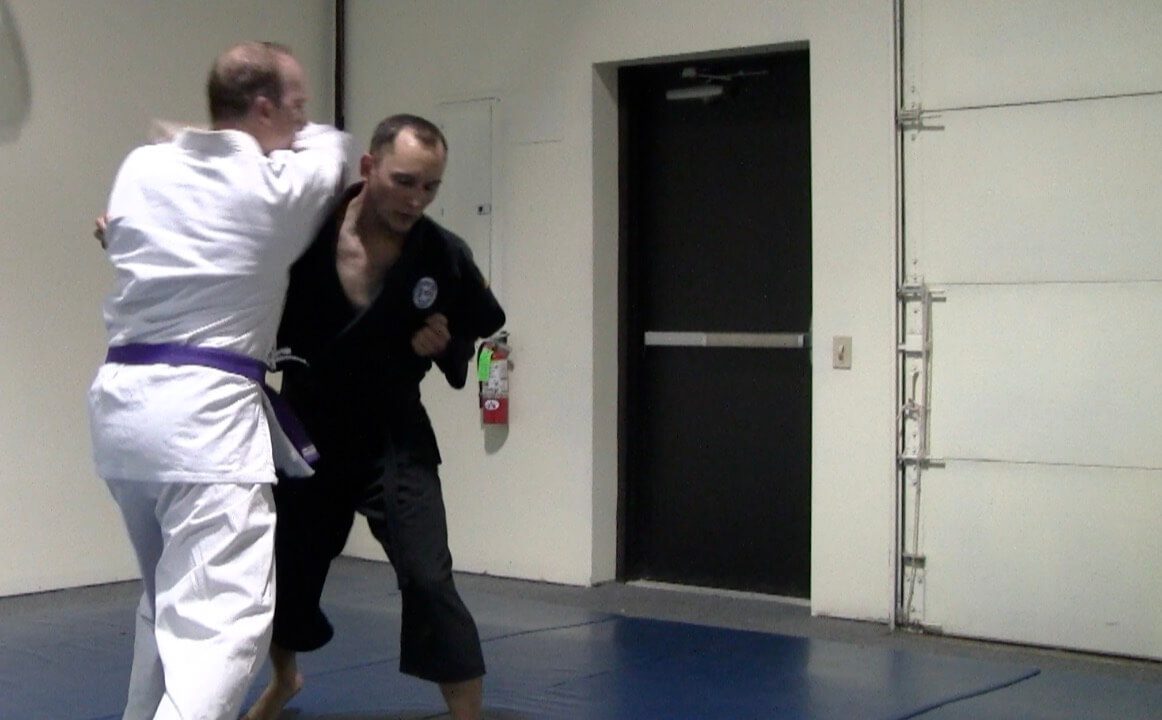
Adult karate programs generally build technique through structured forms and combative drills, while jiu jitsu-based classes emphasize throws, strikes, and control techniques that translate into practical self-defense. Some schools also layer in traditional weapons instruction, which develops hand-eye coordination without requiring full-contact sparring.
What a Beginner-Friendly Adult Program Usually Includes
Most reputable adult programs structure class time around a few recurring elements:
- A warm-up period focused on mobility, balance, and conditioning
- Technique instruction broken into manageable steps for new students
- Partner drills that build toward realistic self-defense application
- Optional weapons or advanced technique segments for more experienced students
Programs that teach adult traditional jiu jitsu alongside karate often run separate weekly time slots for each discipline, which allows students to focus on one style or cross-train in both depending on personal goals.
Fitness and Health Considerations Before Starting
Physical readiness matters less than consistency when starting a new martial art as an adult. According to CDC physical activity guidelines, adults should aim for at least 150 minutes of moderate-intensity activity weekly along with two days of muscle-strengthening work, and structured class formats like karate or jiu jitsu can count toward both targets. Beginners in Loveland, CO considering adult training should expect a gradual introduction to techniques rather than an immediate full-contact pace, since most programs scale drills to a student’s current conditioning.
Local training schedules in Colorado’s Front Range region often run on weeknight evenings, which fits around typical work hours and allows adults to train consistently without disrupting daytime routines.
Business Info
Based in Fort Collins, CO, Total Ryu Martial Arts serves students across the surrounding region, including those in Loveland, CO. The dojo teaches adult traditional jiu jitsu and combative karate classes for students ages 13 and up, alongside traditional weapons instruction included within its programs.
Frequently Asked Questions
Is martial arts training safe to start as an adult beginner with no prior experience? Most structured adult programs are designed for beginners and build technique gradually, starting with fundamentals before introducing more demanding drills or sparring.
What is the difference between karate and jiu jitsu for adults? Karate centers on striking, forms, and combative self-defense skills, while traditional jiu jitsu emphasizes throws, joint control, and ground-based techniques.
How often should an adult train each week to see progress? Many programs schedule adult classes on multiple weeknights, and consistent attendance of two to three sessions weekly tends to support steadier skill development.
Can adults train karate and jiu jitsu together? Some programs offer both disciplines on separate weekly schedules, allowing students to cross-train in striking and grappling depending on personal interest and availability.
A Note on Getting Started
Reviewing class schedules and program structure ahead of time helps set realistic expectations before the first session. Current schedule and class information for Total Ryu Martial Arts is available for those planning to begin adult training in the area.