Summary:
• A septic inspection evaluates tank condition, sludge and scum levels, drainfield function, and system age to flag problems before they become costly repairs.
• Homeowners in Weaverville, NC typically need an inspection every one to three years, or when buying or selling a property with a septic system.
• NC-certified inspections produce a written report documenting system condition, which matters for real estate transactions and routine maintenance planning.
A septic inspection is a professional evaluation of a septic tank and drainfield that checks pumping history, sludge and scum levels, system age, and signs of drainfield failure. For homeowners asking what the process actually involves, it typically combines a records review, a tank opening, and a visual check of the surrounding soil absorption area.
Most residential systems in the region rely on buried tanks and drainfields that homeowners rarely see, which makes periodic inspection the only reliable way to catch problems early. A septic inspection generally examines the same core components regardless of who performs it: tank integrity, liquid levels, baffles, and effluent flow toward the drainfield.
Property owners in Weaverville, NC often schedule inspections around real estate transactions, since many lenders and buyers request documentation before closing. Even outside a sale, routine inspection remains one of the few ways to confirm a system is functioning as designed.
What Happens During a Septic Inspection
A typical inspection follows a sequence that licensed providers use to assess the full system, not just the tank itself.
• Review of permit records, system age, and prior pumping or maintenance history
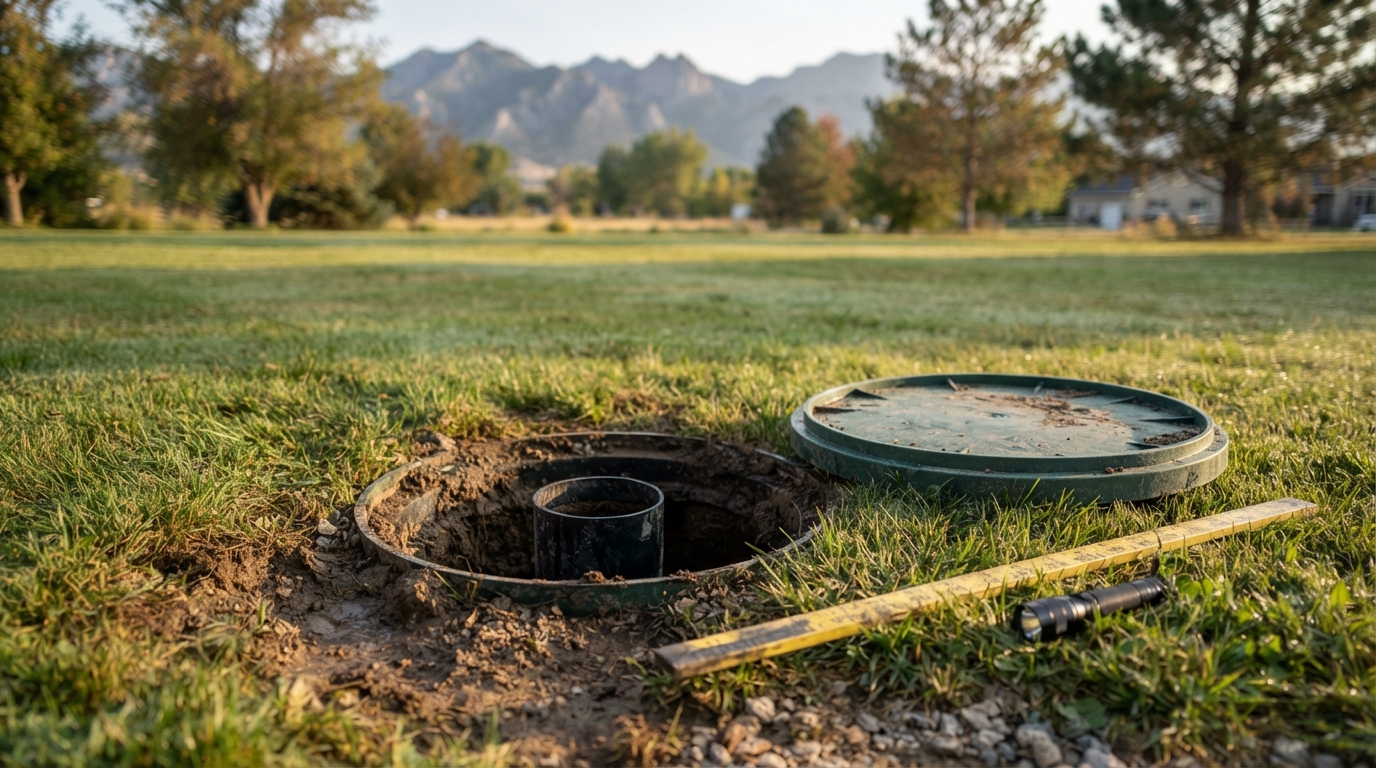
• Opening of the tank access lid or riser to measure sludge and scum layers
• Inspection of the inlet and outlet baffles for cracks, corrosion, or blockage
• Visual check of the drainfield for standing water, odor, or unusually lush vegetation
• Documentation of findings in a written report for the homeowner or transaction file
According to EPA guidance on septic system inspections, a standard inspection involves reviewing the system permit, design, and installation records, along with pumping and maintenance history. The same guidance notes that inspections should occur every one to three years for the life of the home, which aligns with recommendations most local providers follow.
Why Regular Inspection Matters for Weaverville Properties
Soil composition and seasonal rainfall in the western North Carolina mountains can affect how quickly a drainfield saturates or how fast sludge accumulates in a tank. Homes on well-established lots in Weaverville, NC often have systems installed decades ago, which makes periodic inspection relevant for confirming baffles and pipes have not deteriorated.
Buncombe County and surrounding jurisdictions generally require a functioning septic permit on file, and an inspection report helps confirm the system still matches those original records. Property transactions are the most common trigger for inspection requests, since buyers and lenders want documentation that the system will not require immediate repair.
Septic Inspection vs. Septic Pumping
These two services are related but not interchangeable, and confusing them can lead to skipped maintenance steps.
| Service | Primary Purpose | Typical Frequency |
| Septic Inspection | Assesses tank and drainfield condition, documents findings | Every 1 to 3 years |
| Septic Pumping | Removes accumulated sludge and scum from the tank | Every 3 to 5 years |
| Combined Service | Pumping performed immediately after inspection confirms the need | As recommended by inspector |
An inspection determines whether pumping is needed at that time, while pumping itself is a physical removal of waste from the tank. Skipping inspection in favor of pumping alone means missing checks on baffles, drainfield condition, and system age that pumping does not address.
Based in Asheville, NC, a septic inspection and pumping provider serving Weaverville, NC can document both services on the same visit when sludge levels warrant it. That pairing is common practice since most providers performing an inspection are already equipped to pump the tank if results show it is necessary.
Frequently Asked Questions
How long does a septic inspection take? Most residential inspections take between thirty minutes and an hour, depending on tank accessibility and whether risers are already installed at ground level.
Is a septic inspection required to sell a home? Requirements vary by lender and local health department, though many real estate transactions in the area request a current inspection report before closing.
What if the inspection finds a problem? The inspector documents the issue in a written report, and homeowners can then schedule repairs or pumping based on the specific finding, such as a cracked baffle or high sludge level.
How is an inspection different from locating the tank? Locating the tank is often a preliminary step within the inspection, especially on older properties without visible risers or as-built drawings on file.
Scheduling and Local Service Notes
Homeowners planning ahead of a sale, refinance, or routine maintenance cycle benefit from confirming inspection timing with local permitting requirements first. Published details for Able Septic Tank Service outline service area coverage across the Asheville and Weaverville region.
Scheduling details and current availability for septic-related services are published for Able Septic Tank Service.