Short answer:
• Squealing, grinding, or a soft brake pedal are signs a vehicle needs professional brake inspection and service soon.
• Routine pad, rotor, and fluid checks catch wear before it turns into costly repairs or safety risks.
• Local shops offering full brake system diagnostics can help Monroe drivers stay road-ready through wet Pacific Northwest seasons.
Reliable stopping power depends on more than fresh pads. Rotors, calipers, brake lines, and fluid all work together, and any weak point can extend stopping distance or cause uneven wear. For drivers researching Brake Repair In Monroe WA, understanding what a thorough inspection actually covers makes it easier to spot warning signs early and avoid emergency repairs.
FS Autoworx is one of the shops serving Monroe and the surrounding Snohomish County area that lists brake work among its regular offerings. According to the shop’s own service listings, technicians provide brake services intended to keep components quiet and fully functional, addressing common complaints like squealing or grinding pads before they progress into rotor damage.
Common Warning Signs Drivers Should Not Ignore
Brake components wear gradually, but certain symptoms signal that a shop visit should not wait.
• Squealing or high-pitched noise when braking, which often indicates worn pad wear indicators
• Grinding sounds, suggesting pads have worn down to metal and are contacting the rotor directly
• A pedal that feels soft, spongy, or sinks lower than usual
• Vibration or pulsing felt through the pedal or steering wheel during braking
• Vehicle pulling to one side when brakes are applied
Any of these signs warrants an inspection rather than a wait-and-see approach, since brake failure risk increases the longer worn components stay in service.
What a Thorough Brake Inspection Typically Covers
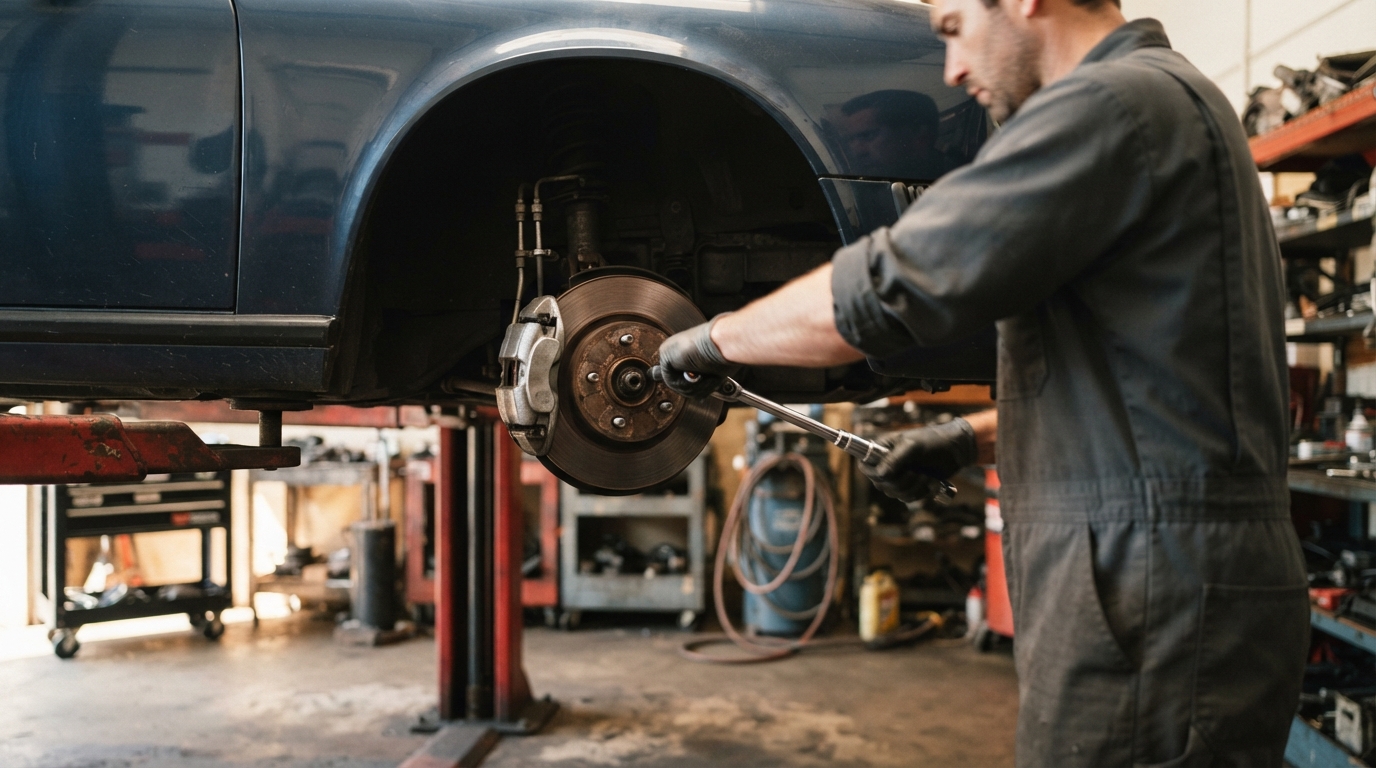
A complete brake service evaluates the whole system, not just the pads visible at a quick glance.
1. Pad and rotor thickness measurement to determine remaining life and identify uneven wear patterns.
2. Caliper and hardware inspection to confirm pistons move freely and hardware is not corroded or seized.
3. Brake fluid condition check , since contaminated or moisture-laden fluid can reduce braking performance over time.
4. Brake line and hose review for cracking, leaks, or soft spots that could compromise hydraulic pressure.
The National Highway Traffic Safety Administration notes that vehicle safety systems, including braking components, require routine maintenance checks to perform as designed, particularly as vehicles age or accumulate mileage.
Seasonal Factors That Affect Brake Performance in Monroe
Monroe’s wet, rainy stretches and occasional icy mornings put extra demand on braking systems throughout the year.
| Condition | Effect on Brakes | Practical Response |
| Heavy rain | Reduced friction, longer stopping distance | Inspect pads and rotors for water-related corrosion |
| Cold mornings | Stiffer rubber components, slower initial response | Allow warm-up time and check hose flexibility |
| Hilly or mountain routes | Increased heat buildup from repeated braking | Schedule more frequent fluid and pad checks |
| Stop-and-go traffic | Faster pad wear from frequent light braking | Monitor pad thickness at each oil change |
These conditions do not change the fundamentals of brake maintenance, but they do make consistent inspection schedules more important for drivers who commute through varied terrain.
Choosing a Shop for Brake Work
A few practical questions help narrow down where to bring a vehicle for service.
• Does the shop explain findings clearly, including pad and rotor measurements?
• Are technicians certified and experienced with the vehicle’s make, whether domestic, import, or diesel?
• Is pricing communicated upfront before work begins?
• Does the shop offer a warranty on parts and labor?
Shops that answer these questions transparently tend to build longer-term trust with local drivers, since brake work is not something most owners want to revisit repeatedly for the same issue.
FAQ
How often should brakes be inspected? Most manufacturers recommend a visual brake inspection at every oil change, with a more detailed check at least once a year or sooner if warning signs appear.
Can brake pads be replaced without replacing rotors? Sometimes, if rotors are still within safe thickness specifications and show no scoring, though a technician needs to measure them to confirm.
Why does the brake pedal feel soft? A soft pedal often points to air in the brake lines, low or degraded fluid, or a hydraulic leak, all of which require prompt attention.
Is squealing always a sign of worn pads? Not always. Some squealing comes from dust, debris, or humidity, but persistent noise usually means the pads or hardware need a closer look.
Brake maintenance is one of the more predictable parts of vehicle ownership, and staying ahead of wear patterns is far simpler than recovering from a failure on the road. Monroe drivers dealing with unusual noises, pedal changes, or overdue inspections can Click Here to FS Autoworx to have the system checked and addressed before small issues become larger repairs.