At glance:
- An estate lawyer helps confirm that a will meets state signing and witnessing requirements before it is finalized.
- Legal guidance can address guardianship, tax exposure, and asset titling issues that a template will often misses.
- Reviewing a will with an attorney reduces the risk of probate delays or disputes among beneficiaries.
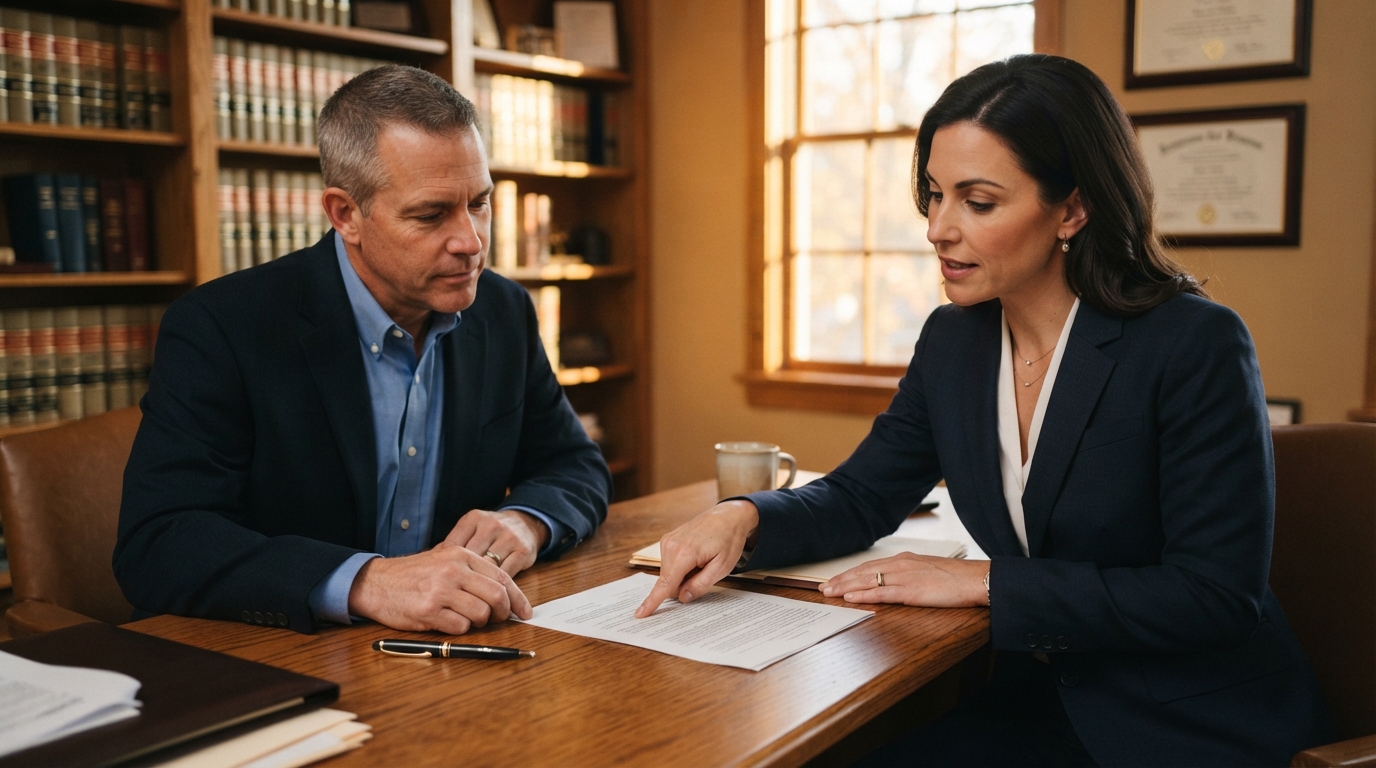
A will drafted without legal review can fail to meet state requirements or leave gaps in guardianship and asset distribution instructions. Consulting an Estate lawyer before finalizing a will helps confirm the document is enforceable and addresses the specific assets, dependents, and circumstances involved.
Many people assume that a downloaded template or online form is enough to create a valid will. Baxter, Borowicz & Brunckhorst Co. LPA is one example of a firm whose published estate planning information outlines how document drafting is paired with a review of asset ownership and the tax consequences tied to each decision. That distinction between simply filling out a form and structuring a plan around real financial circumstances is often where self-drafted wills fall short.
Why a Will Alone May Not Be Enough
A will is only one piece of a functioning estate plan. Without legal review, several common gaps can surface:
- Guardianship clauses that are unclear or missing for minor children, which can leave a court to decide custody arrangements.
- Asset titling conflicts, where property held jointly or with a named beneficiary passes outside the will entirely, regardless of what the document states.
- No coordinated power of attorney or health care directive, leaving no one authorized to act if the person becomes incapacitated before death.
An updated will reduces administrative delays and expense, and it is the document that typically nominates a guardian for minor children, a role that cannot be filled through verbal wishes alone.
State-Specific Requirements That Affect Validity
Will requirements vary by state, covering signature witnesses, notarization standards, and rules for how amendments must be made. A checklist created for one state does not guarantee compliance in another, which is why many planning resources recommend consulting qualified legal counsel before relying on any self-drafted document, since execution requirements differ by jurisdiction and circumstances, according to St. Jude estate planning resources.
For residents of Columbus, Ohio, this matters because Ohio probate courts apply specific statutory requirements to will validity, and a document that works in another state may not hold up locally without review.
| Approach | Document Review | Tax and Asset Coordination | Risk of Probate Delay |
| Online will template | None | Not included | Higher |
| Self-drafted will | Self-reviewed only | Limited | Moderate to high |
| Will prepared with legal review | Attorney-reviewed | Addressed as part of planning | Lower |
Coordinating a Will With the Rest of an Estate Plan
A will rarely functions in isolation. Financial powers of attorney, trusts, and beneficiary designations on retirement or insurance accounts often need to align with the will’s instructions to avoid contradictions. A financial power of attorney generally covers financial, business, personal, and real estate matters, which means it should be drafted to work alongside, not against, the will.
Tax exposure is another factor that often requires professional input. Any transfer of property, a bank account, or a closely held business to another person can potentially trigger a taxable event, which is a detail easy to overlook when drafting a will independently.
Baxter, Borowicz & Brunckhorst Co. LPA, serves clients across Columbus, Ohio, offering a reference point for how estate planning firms typically structure document review alongside asset and tax considerations.
Frequently Asked Questions
Does every will need to be reviewed by an attorney? Not every will requires legal review, but complex family situations, business ownership, or significant assets increase the likelihood that a self-drafted document will miss requirements tied to state law or tax exposure.
What happens if a will is not updated regularly? An outdated will can create confusion over current assets, outdated guardianship choices, or beneficiaries who are no longer part of the family structure, which can lead to probate complications.
Can a will replace a power of attorney or health care directive? No. A will only takes effect after death, while a power of attorney and health care directive address decision-making authority during incapacity, which is why estate plans typically include all three documents together.
Is a trust necessary alongside a will? A trust is not required for every estate plan, but it can be useful when privacy, incapacity planning, or probate avoidance is a priority, depending on family structure and the types of assets owned.
Next Steps for Reviewing a Will
Reviewing estate documents with a licensed professional can clarify how a will interacts with existing accounts, property titles, and family circumstances before it is finalized. Current service details for Baxter, Borowicz & Brunckhorst Co. LPA are published for individuals evaluating their estate planning options.
Drafting or updating a will is a decision that benefits from careful attention to state requirements, asset coordination, and long-term family goals rather than reliance on a generic template alone.