Quick summary:
• Storm damage repair covers inspections, temporary protection, and full repair or replacement of shingle, metal, TPO, and flat roofing systems.
• A qualified roofing contractor in Springfield MO documents damage, addresses leaks fast, and works from decking up to prevent secondary issues like mold or wood rot.
• Local storm patterns in southern Missouri mean hail and wind damage should be inspected soon after a storm, even without visible leaks.
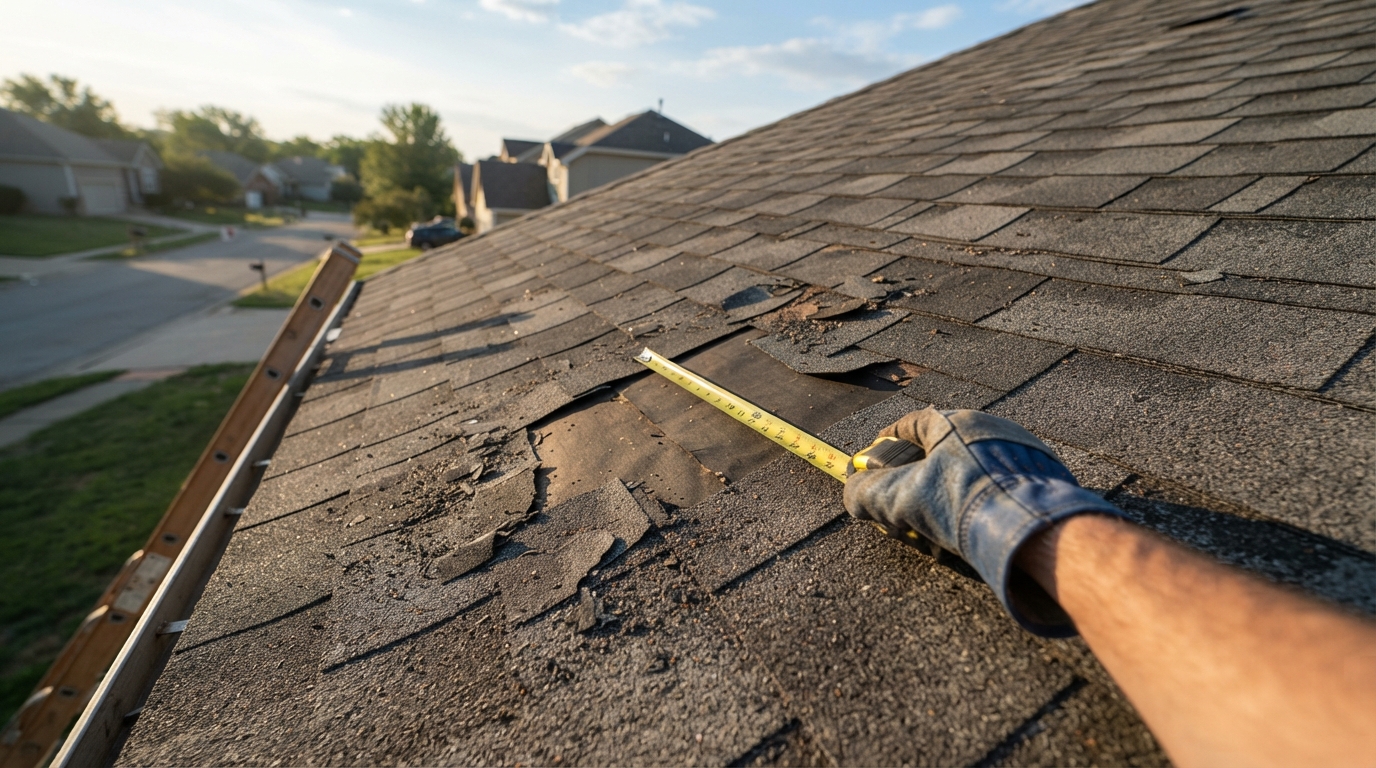
A roof that has taken a direct hit from hail, straight-line wind, or falling debris needs a fast, methodical response: document the damage, stop active leaks, and get a full inspection before deciding between repair and replacement. Homeowners who act within days of a storm typically avoid the costlier secondary damage that develops when moisture sits untreated in decking and insulation.
Finding a qualified Roofing Contractor In Springfield MO after a storm starts with confirming the contractor works directly on your specific roofing material rather than subcontracting the job out. Springfield’s mix of older shingle roofs and newer metal and flat-roof commercial buildings means storm response often requires familiarity with several systems at once. Johnson’s Roofing LLC is one local option that lists metal, shingle, TPO, and modified flat-roof repair among its services on its Google Business Profile and website.
Recognizing Storm Damage Before It Spreads
Not all storm damage is obvious from the ground. Missing shingles and dented gutters are easy to spot, but the more expensive problems often hide underneath.
• Granule loss or bald spots on shingles after hail
• Lifted or curled shingle edges from high wind
• Soft spots on flat or TPO roofing where water has pooled
• Cracked or displaced flashing around chimneys and pipe boots
Small issues like a loose shingle or a minor leak rarely resolve on their own and tend to worsen quickly if ignored. Left unaddressed, these issues can lead to mold growth and wood rot inside walls and ceilings, according to information published on the contractor’s own service page.
What a Storm Damage Inspection Should Cover
A thorough post-storm inspection looks past the surface layer to the structural components that keep a roof watertight. The National Oceanic and Atmospheric Administration’s severe weather guidance notes that straight-line winds and downbursts can produce damage comparable to weaker tornadoes, which is one reason a professional walk-through matters even when damage looks minor from the street.
A complete inspection generally checks:
1. Decking condition beneath the shingle or membrane layer
2. Flashing, pipe boots, and chimney seals for cracks or separation
3. Gutter attachment points and downspout function
4. Soffit and fascia for water intrusion signs
5. Overall roof age and remaining service life
Repair Versus Replacement After a Storm
Deciding whether a storm-damaged roof needs a patch or a full tear-off depends on the extent and location of the damage, plus the roof’s existing age and condition.
| Factor | Repair Likely Sufficient | Replacement Often Needed |
| Damage extent | Isolated leaks, a few shingles or panels | Widespread hail pitting or wind-lifted sections |
| Roof age | Recently installed or mid-life roof | Near or past expected lifespan |
| Underlying decking | Dry, structurally sound | Soft, rotted, or water-stained |
| Material type | Metal or shingle spot repairs common | Full TPO or modified flat roof recover |
Contractors offering both shingle and metal recover-over-shingle options can sometimes reduce costs when a full tear-off is not required, which is worth asking about during an estimate.
Choosing a Contractor for Storm Repair Work
Insurance timelines and material availability both affect how quickly storm repairs get scheduled, so the contractor’s responsiveness matters as much as its service list.
• Confirm the company carries insurance and can provide documentation for insurance claims
• Ask whether inspections and estimates are free before committing to any work
• Verify the contractor performs the actual repair work rather than subcontracting to unknown crews
• Request a written scope covering decking, flashing, and gutter work, not just surface shingles or membrane
A Springfield-based crew familiar with the area’s storm patterns can typically schedule inspections faster during peak storm season, which reduces the window during which secondary damage can develop.
Frequently Asked Questions
How soon should I get a roof inspected after a storm? Scheduling an inspection within a few days of a storm is advisable, since hail and wind damage are not always visible from the ground and can worsen if moisture reaches the decking.
Can a metal or flat roof be repaired instead of replaced? Often yes. Localized hail dents, seam separations, or isolated leaks on metal, TPO, or modified flat roofing can frequently be patched without a full replacement, depending on the extent of damage.
What roofing materials do local Springfield contractors typically service? Many Springfield roofing companies work across shingle, metal, TPO, and modified flat roofing, along with related repairs to decking, flashing, soffit, and fascia.
Does gutter damage count as storm damage? Yes. Bent, detached, or clogged gutters after a storm are considered storm damage and should be inspected alongside the roof, since poor drainage can contribute to future leaks.
Storm damage rarely announces itself all at once, and the roofs that hold up longest are usually the ones inspected soon after severe weather rather than after a leak appears indoors. Homeowners weighing repair options can start with a straightforward inspection to understand the real scope of the damage before committing to a repair plan. For residents evaluating local options, Johnson’s Roofing LLC offers free inspections and works across shingle, metal, TPO, and flat-roof systems for Springfield-area storm repairs.