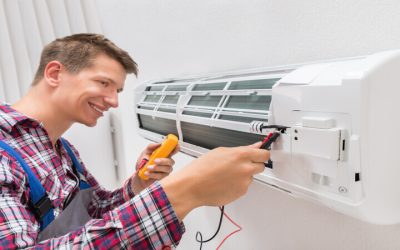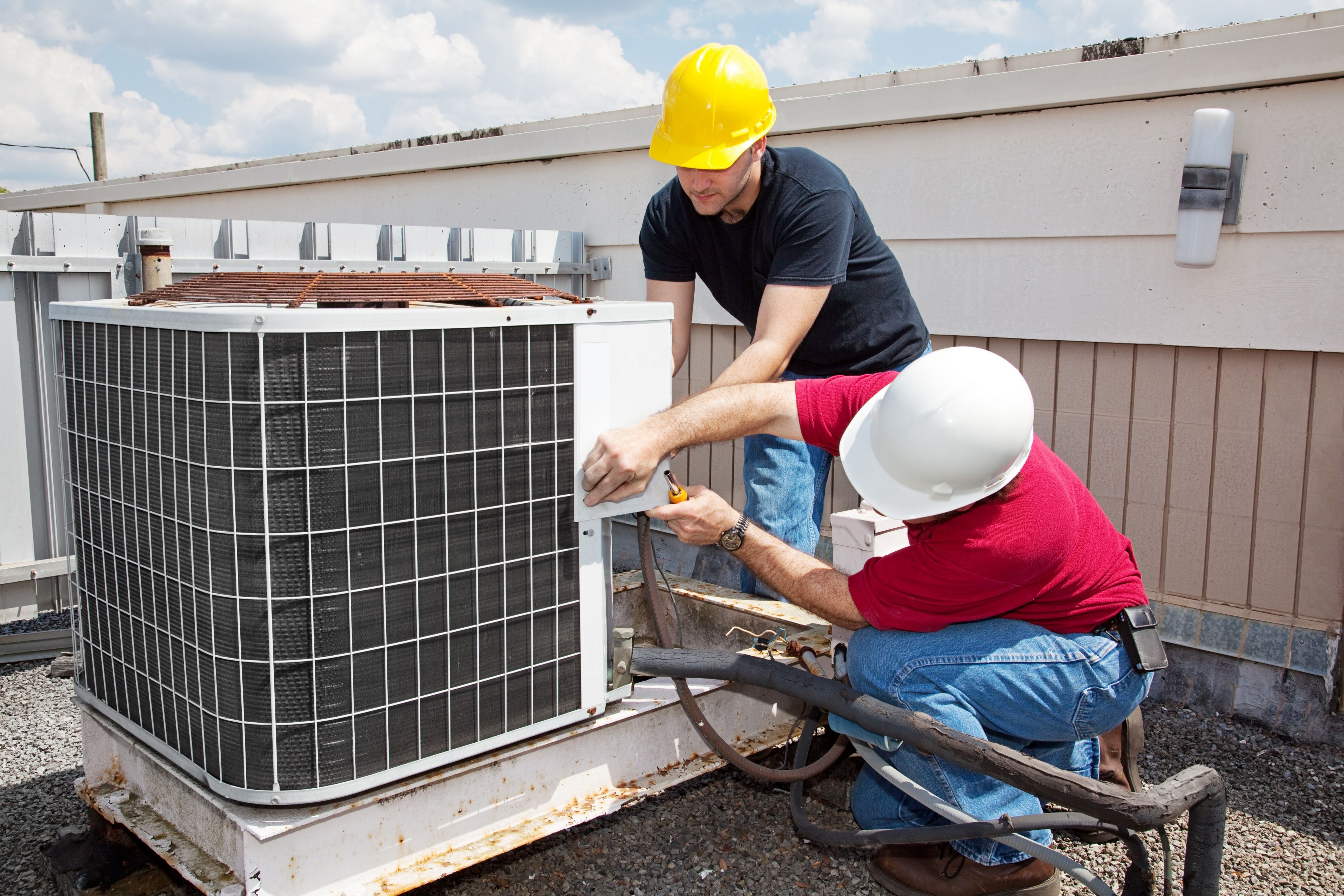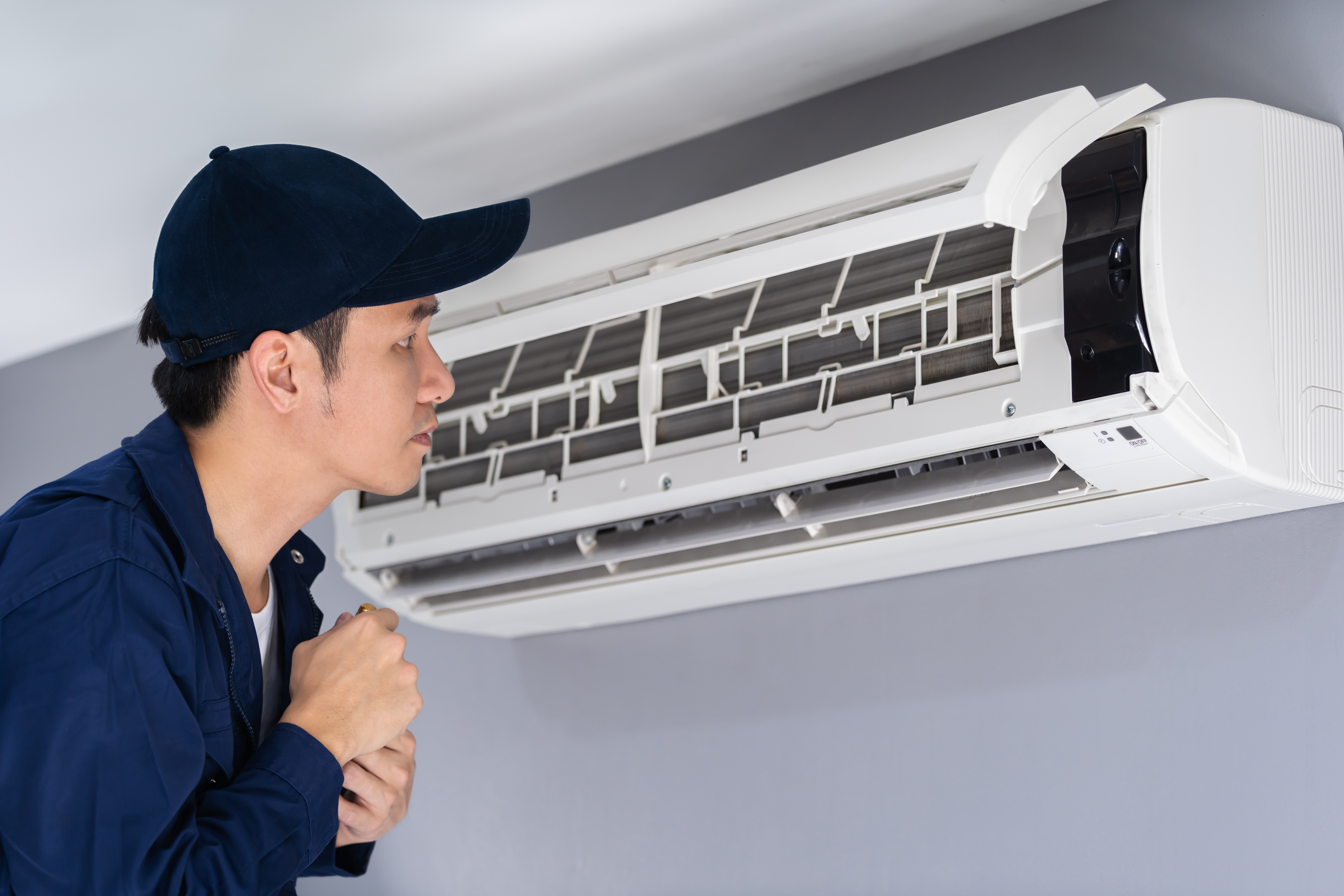
An HVAC system often shows warning signs before it stops working completely. For homeowners in Chandler, AZ, recognizing these early signs can help prevent comfort problems, system strain, and unexpected interruptions during periods of extreme heat or cooler seasonal changes.
Heating and cooling systems are designed to keep indoor spaces stable, but they rely on many connected parts working together. When one component begins to fail, the entire system may work harder than normal. This is why HVAC troubleshooting is important when unusual noises, weak airflow, uneven temperatures, or rising energy use begin to appear.
Why Should Chandler Homeowners Pay Attention to Early HVAC Problems?
Chandler’s climate can place heavy demand on heating and cooling equipment, especially during long stretches of hot weather. When an HVAC system is already struggling, daily use can make small problems worse. A minor airflow issue, electrical concern, refrigerant problem, or worn part may eventually lead to a full system shutdown if ignored.
Early HVAC repair may help reduce unnecessary stress on the equipment. It can also help homeowners avoid waiting until the system fails during uncomfortable weather. While not every symptom means a major repair is needed, repeated or worsening issues should be evaluated by an HVAC repair contractor.
What Are the Most Common Signs of HVAC Trouble?
One of the most common signs of HVAC trouble is inconsistent temperature control. If the thermostat is set correctly but the home still feels too warm or too cool, the system may not be operating efficiently. This can happen because of restricted airflow, duct problems, thermostat issues, low refrigerant, or worn mechanical parts.
Weak airflow is another warning sign. Air should move steadily through vents when the system is running. If airflow feels faint, blocked, or inconsistent from room to room, the cause may involve dirty filters, blower motor issues, duct leaks, or buildup inside the system.
Unusual sounds can also point to developing problems. Rattling, buzzing, grinding, squealing, or banging noises may indicate loose parts, electrical issues, motor strain, or worn components. A system that suddenly becomes louder should not be ignored.
Why Does Short Cycling Indicate a Possible Repair Issue?
Short cycling happens when an HVAC system turns on and off more often than it should. Instead of completing a normal heating or cooling cycle, the system shuts down quickly and restarts again. This pattern can make the indoor temperature less stable and place additional stress on system components.
Several issues may cause short cycling. The system may be overheating, the thermostat may be malfunctioning, the air filter may be clogged, or the unit may have an electrical problem. In some cases, the system may also be improperly sized for the property.
Because short cycling can increase wear on major parts, it is a common reason homeowners schedule heating and cooling repair. Identifying the cause early can help prevent more extensive damage.
What Does Warm Air From the Vents Mean?
When an air conditioning system blows warm air during cooling mode, it may be a sign that the system needs HVAC troubleshooting. The problem could be as simple as a thermostat setting, but it may also involve low refrigerant, a compressor issue, dirty coils, or a problem with the outdoor unit.
In Chandler, AZ, warm air from vents can become a serious comfort concern quickly. If the system continues running without cooling the home, it may consume more energy while producing poor results. This can lead to longer run times and added strain on the equipment.
A trained HVAC Repair Contractor can inspect the system and determine whether the issue is related to airflow, refrigerant, electrical performance, or another mechanical concern.
How Can Rising Energy Bills Signal HVAC Problems?
Energy bills can rise for many reasons, including weather changes and household usage. However, a noticeable increase without a clear explanation may indicate that the HVAC system is working harder than necessary.
When components are dirty, worn, or restricted, the system may take longer to reach the desired indoor temperature. Dirty coils, clogged filters, leaking ducts, weak motors, and refrigerant issues can all reduce performance. As efficiency drops, the system may run more often and use more energy.
This is one reason HVAC Repair is often recommended when performance changes are paired with higher utility costs. The issue may not be obvious from inside the home, but a system inspection can help identify what is causing the added strain.
Why Are Strange Smells a Concern?
Odors coming from an HVAC system can point to different problems. A musty smell may suggest moisture buildup, clogged drainage, or microbial growth in certain areas of the system. A burning smell may indicate overheating components, electrical concerns, or dust burning off after limited seasonal use.
Persistent odors should be evaluated, especially if they return every time the system runs. Indoor air quality can be affected when dust, moisture, debris, or contaminants move through the system. Because the HVAC system circulates air throughout the home, odor concerns should be taken seriously.
When Should Homeowners Call an HVAC Repair Contractor?
Homeowners should consider calling an HVAC repair contractor when symptoms continue after basic checks, such as confirming thermostat settings and replacing a dirty filter. Professional support may be needed when the system blows warm air, short cycles, makes unusual noises, leaks water, trips breakers, or fails to maintain the set temperature.
For Chandler homeowners researching local service options, J & N HVAC provides information about HVAC System Repair and maintenance for heating and cooling systems. Their service information helps property owners understand common repair concerns and when a system may need professional attention.
What Can Homeowners Check Before Scheduling Service?
Before scheduling heating and cooling repair, homeowners can check a few basic items. They can make sure the thermostat is set to the correct mode, replace or inspect the air filter, confirm vents are open and unobstructed, and check whether the outdoor unit has visible debris around it.
These steps may help rule out simple issues. However, homeowners should avoid opening electrical panels, handling refrigerant, or attempting mechanical repairs without proper training. HVAC systems include electrical, mechanical, and refrigerant components that require the right tools and safety knowledge.
Why Is Timely HVAC Troubleshooting Important?
Timely HVAC troubleshooting helps identify the source of a problem before it becomes more disruptive. When one part begins to fail, the rest of the system may compensate. Over time, this can lead to more wear, reduced comfort, and a higher chance of breakdown.
For example, weak airflow may affect coil performance. A failing capacitor may place stress on the motor. Low refrigerant may strain the compressor. These problems can build on each other when the system continues running under poor conditions.
Final Thoughts on Preventing HVAC Breakdowns
HVAC systems rarely fail without warning. Uneven temperatures, weak airflow, strange noises, short cycling, warm air, unusual smells, and rising energy use are all signs that a system may need attention.
For homeowners in Chandler, AZ, acting early can help protect indoor comfort and reduce the risk of a complete system breakdown. By recognizing repair warning signs and scheduling professional evaluation when needed, property owners can keep their heating and cooling systems operating more reliably throughout the year.