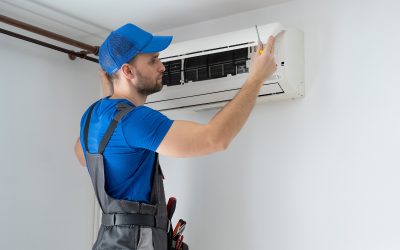
- A home AC repair visit typically includes a system inspection, diagnostic testing, an explanation of findings, and repair using approved parts.
- Common Jacksonville triggers for repair calls include warm airflow, unusual noises, rising energy bills, and systems struggling to keep up with humidity.
- Technicians usually check refrigerant levels, coils, and airflow components before recommending repair or replacement.
A home air conditioning repair visit generally follows a predictable sequence: a technician listens to your concerns, inspects the system, diagnoses the problem, and explains repair options before any work begins. Knowing this sequence in advance helps homeowners set realistic expectations for timing, cost conversations, and what questions to ask during the appointment.
Jacksonville’s humid subtropical climate puts extra strain on residential cooling systems, which is part of why local homeowners searching for a Home Air Conditioning Repair Service in Jacksonville, FL want clarity on what actually happens once a technician arrives. Warm air blowing from vents, odd sounds, or a system that runs constantly without cooling the home are among the most common reasons homeowners in the area schedule a repair visit. These symptoms often point to deeper issues that need attention before they cause additional strain on other components.
Common Signs That Trigger a Repair Call
Most repair visits start with one or more recognizable warning signs rather than a full system failure.
- Warm air coming from vents despite the thermostat being set correctly
- Unusual sounds such as grinding, rattling, or clicking during operation
- Weak or inconsistent airflow throughout the home
- A noticeable increase in monthly energy bills without a change in usage
These issues frequently trace back to low refrigerant, dirty coils, or restricted airflow, and a straightforward inspection is usually enough to identify the underlying cause. Homeowners who address these signals early tend to avoid more extensive repairs later, since minor issues can compound quickly in Florida’s heat and humidity.
What Happens During the Inspection and Diagnosis
Once a technician arrives, the visit typically moves through a few defined stages rather than jumping straight to a fix.
- Initial conversation to understand symptoms, timing, and any patterns noticed by the homeowner
- Visual and mechanical inspection of the outdoor and indoor units
- Diagnostic testing of refrigerant levels, electrical components, and airflow
- A clear explanation of findings before repairs move forward
This structured approach keeps homeowners informed and avoids surprises once work begins. According to the U.S. Department of Energy, routine HVAC maintenance and prompt attention to performance issues can meaningfully reduce energy waste tied to inefficient cooling systems, which is one reason technicians document findings before recommending next steps. Explaining the diagnosis in plain terms also gives homeowners a chance to ask about parts, expected outcomes, and whether the issue is isolated or connected to a larger system concern.
Repair or Replacement: How Technicians Decide
Not every AC problem calls for the same solution, and age plays a significant role in that decision.
| Factor | Favors Repair | Favors Replacement |
| System age | Under 10 years | Over 10 years |
| Repair frequency | First or occasional issue | Frequent, recurring breakdowns |
| Energy bills | Stable | Steadily increasing |
| Cost of fix | Minor component | Major component failure |
Systems over a decade old often lose efficiency and require more frequent repairs, which is why technicians typically walk homeowners through a cost comparison rather than defaulting to one option. This side-by-side view helps homeowners weigh short-term repair costs against long-term efficiency and reliability.
Getting the Most From Your Service Visit
A few simple habits can make any repair appointment more productive.
- Note when the problem started and whether it is constant or intermittent
- Keep the area around the indoor and outdoor units clear for easy access
- Ask for a written explanation of the diagnosis before approving repairs
- Request guidance on maintenance steps, such as filter changes, to extend system life between visits
Homeowners who prepare this information in advance often find the diagnostic process moves faster, since technicians can narrow down likely causes sooner.
Frequently Asked Questions
How long does a typical AC repair visit take? Most repair visits involve an inspection, diagnostic testing, and the repair itself, though total time depends on the complexity of the issue and parts availability.
What are the most common reasons an AC stops cooling properly? Warm airflow, weak air pressure, and unusual noises are frequent triggers, often linked to low refrigerant, dirty coils, or airflow restrictions.
Should I repair or replace an older AC unit? Repair is usually appropriate for minor issues, but units over ten years old that need frequent repairs may be better candidates for replacement due to declining efficiency.
Can regular maintenance reduce the need for repairs? Yes, routine steps like filter changes and seasonal tune-ups help extend system life and reduce the likelihood of unexpected breakdowns.
Understanding what happens during a home cooling repair visit, from the initial inspection to the final explanation of findings, helps homeowners feel more confident about the process and the decisions that follow.
For Jacksonville homeowners dealing with a struggling system, working with a team that documents its diagnostic process and explains findings clearly can make the difference between a quick fix and a recurring problem. Guardian Heating and Air has served the Jacksonville area for HVAC repair, maintenance, and related services, and homeowners can review current availability and contact details directly through their business profile.