Short answer:
• Residential asphalt paving typically involves site evaluation, excavation, base preparation, grading, asphalt placement, and compaction before a driveway or walkway is ready for use.
• The full process generally spans several days, with curing time required before vehicles can safely use a new surface.
• Local soil conditions and seasonal weather in Goochland, VA can affect scheduling and installation timelines.
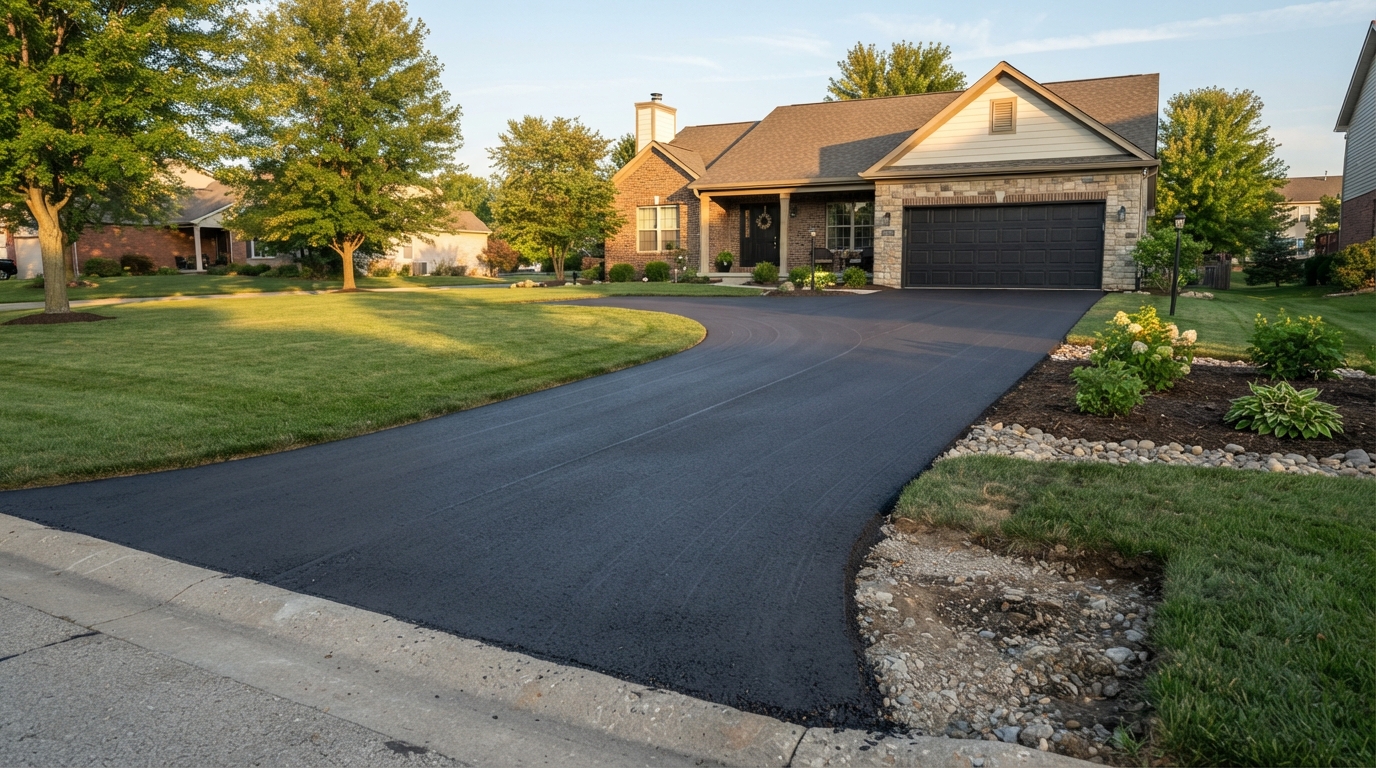
Homeowners researching paving options often want a clear picture of what happens between the first site visit and the finished driveway. Residential Asphalt Paving follows a sequence of steps that determines how long the surface lasts and how well it performs through seasonal temperature swings. Understanding each stage helps set realistic expectations for timeline, preparation, and post-installation care.
Paving contractors licensed in Virginia are regulated through the Virginia Board for Contractors, which oversees licensing for paving and construction trades operating in the state. Knowing that a contractor holds an active license through this board is one way homeowners can verify legitimacy before work begins.
Site Evaluation and Preparation
Before any asphalt is placed, the existing surface and surrounding soil need assessment.
• Site inspection : Checking drainage patterns, grade, and existing pavement or gravel conditions.
• Excavation : Removing old driveway material, gravel, or unstable soil down to a workable base.
• Grading and hauling : Leveling the area and removing excess soil or debris to establish proper slope for water runoff.
Proper grading matters particularly in areas with clay-heavy or uneven soil, which is common in parts of Goochland, VA. Skipping this step can lead to pooling water, cracking, or premature surface failure.
Base Installation and Asphalt Placement
Once the site is graded, a compacted aggregate base is installed to support the asphalt layer above it.
1. Base material placement : Crushed stone or gravel is spread and compacted to create a stable foundation.
2. Compaction : Heavy rollers compress the base to reduce shifting under the asphalt surface.
3. Asphalt application : Hot asphalt mix is applied in one or more lifts depending on the project, such as new driveway construction, a tear-out and replacement, or a walkway.
4. Final compaction and edging : Rollers pass over the fresh asphalt to achieve density, and edges are finished for a clean transition.
Curing, Cooling, and Early Care
Asphalt does not reach full strength immediately after placement. The surface needs time to cool and settle before it can handle regular use.
| Stage | Typical Timeframe | What to Avoid |
| Initial set | 24 to 48 hours | Foot or vehicle traffic |
| Partial cure | 3 to 7 days | Parking in one spot too long |
| Full cure | Several weeks | Heavy equipment or sharp turns |
Temperature and humidity during installation affect how quickly asphalt firms up, so contractors often schedule residential work around seasonal weather windows rather than during extreme heat or cold.
Common Project Types
Residential paving projects vary based on the condition of the existing surface and the homeowner’s goals.
• New construction : Paving a driveway or walkway where none previously existed.
• Tear-outs and replacement : Removing a deteriorated driveway, often gravel or cracked asphalt, and installing new pavement.
• Walkway paving : Smaller-scale asphalt installation for pedestrian paths around a property.
Each project type follows the same general sequence of grading, base work, and asphalt placement, though timelines and material quantities differ.
Frequently Asked Questions
How long does residential asphalt paving take? Most driveway projects are completed within one to three days, depending on size and whether excavation or base repair is needed.
How soon can a new asphalt driveway be used? Light foot traffic is often possible within a day or two, but vehicles typically should wait several days to allow the surface to firm up.
Does weather affect the paving schedule? Yes. Cold temperatures slow curing, and rain can delay installation, which is a factor contractors account for when scheduling work in Goochland, VA.
What causes asphalt driveways to fail early? Poor base preparation, inadequate drainage, and skipping proper compaction are common causes of early cracking or settling.
Local Service Context
Based in Richmond, VA, this paving work extends to homeowners across Goochland, VA, where soil conditions and seasonal weather patterns factor into project planning. Services for residential projects include driveway installation, walkway paving, tear-outs and replacement, and grading or hauling for site preparation.
Published scheduling and service area details for Absolute Asphalt LLC are available for homeowners comparing paving timelines.