Key point:
- A certified mobile diesel mechanic diagnoses and repairs trucks, fleet vehicles, and diesel equipment on-site, cutting the downtime and towing costs tied to shop visits.
- Mobile diesel service covers engine diagnostics, electrical repair, and fleet maintenance performed at a job site, yard, or roadside location.
- Verified credentials matter because diesel systems involve high-pressure fuel, electrical diagnostics, and exhaust exposure risks that require trained handling.
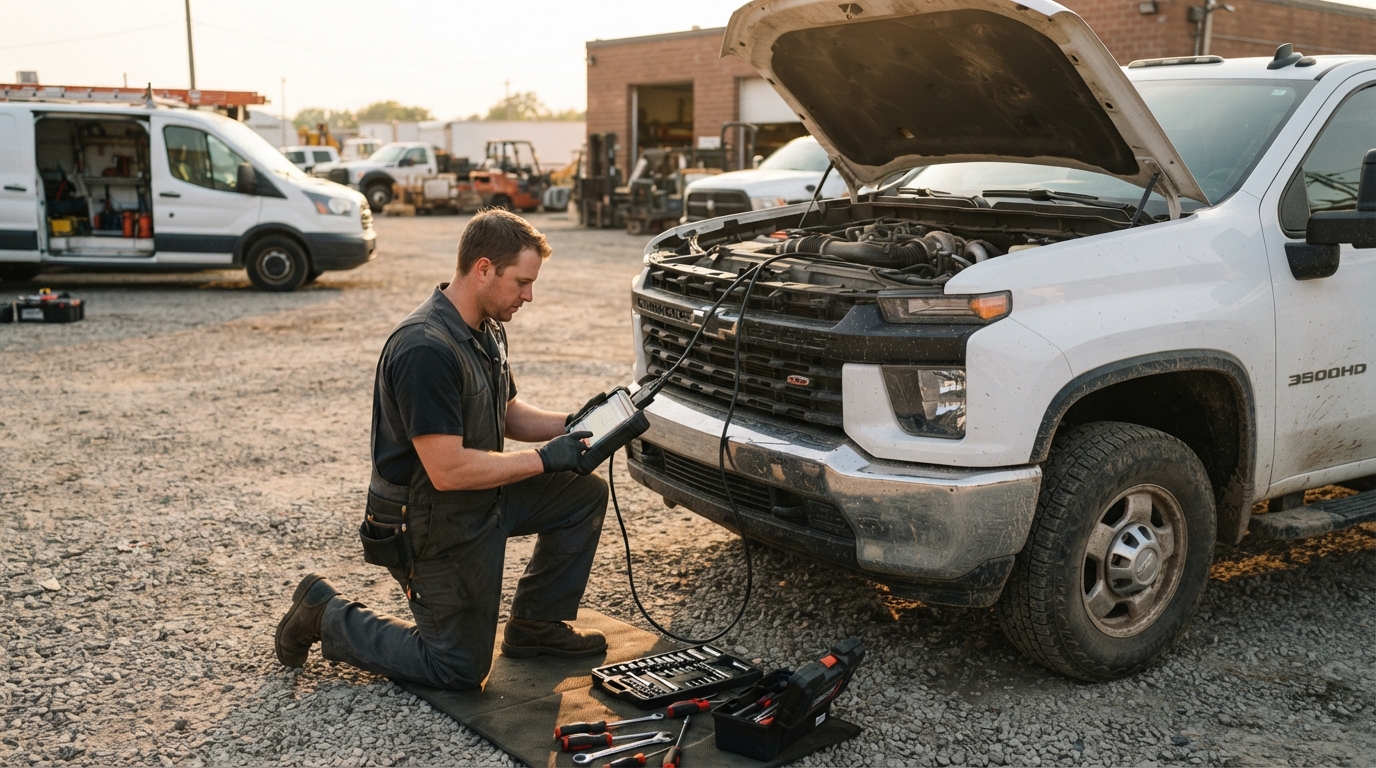
A diesel engine that stalls on a job site or distribution route does not wait for a shop appointment to open up. Hiring a Mobile Diesel Mechanic in Surprise, AZ means a trained technician travels to the vehicle to diagnose and repair the issue on-site, rather than requiring a tow to a fixed facility.
For fleet operators and contractors working in and around Surprise, AZ, this on-site model addresses a practical problem: every hour a diesel truck sits idle is an hour of lost productivity. Mobile repair shifts the labor to wherever the vehicle is parked, whether that is a warehouse yard, a construction site, or the shoulder of a highway.
What a Certified Mobile Diesel Mechanic Actually Does
Certification and hands-on training distinguish a qualified diesel technician from general auto repair. Diesel systems differ substantially from gasoline engines in fuel delivery, compression, and emissions control, so the diagnostic approach has to match.
Typical on-site work includes:
- Diesel engine diagnostics and troubleshooting, including no-start conditions
- Auto electrical repair covering batteries, alternators, starters, and wiring faults
- Fleet and trailer maintenance such as brake inspections and suspension repair
- Emergency roadside service for breakdowns away from a shop
Diesel exhaust exposure is also a documented workplace hazard. According to OSHA’s overview of diesel exhaust, the agency addresses exposure to diesel exhaust components through its general industry and maritime standards even though no single standard targets diesel exhaust specifically. A certified technician understands these handling and ventilation considerations as part of standard repair practice, not as an afterthought.
On-Site Repair Versus Traditional Shop Visits
Choosing between a mobile technician and a stationary repair shop often comes down to downtime, logistics, and the type of repair needed. The table below outlines the practical differences.
| Factor | Mobile Diesel Mechanic | Traditional Repair Shop |
| Location of repair | At the job site, yard, or roadside | Vehicle must be towed to the shop |
| Downtime | Reduced, since no towing or waiting in line is needed | Often extended by tow time and shop queue |
| Scope of work | Diagnostics, electrical, engine, and fleet maintenance | Full range, including transmission rebuilds in many shops |
| Best suited for | Fleet vehicles, commercial trucks, roadside breakdowns | Complex repairs requiring specialized shop equipment |
Fleet managers juggling multiple vehicles often favor mobile service for routine diagnostics and preventive maintenance, reserving shop visits for repairs that require equipment not practical to transport.
Why Credentials and Location Matter
A technician’s training affects both repair quality and safety outcomes. Diesel repair involves pressurized fuel systems, electrical diagnostics on modern ECU-equipped trucks, and exposure to exhaust byproducts, all of which carry risk when handled without proper preparation.
Location also shapes response time. Based in USA, DRH Mobile Diesel Repair serves customers across Surprise, AZ, reflecting a common pattern in mobile diesel service where a technician’s home base determines how quickly a dispatch can reach a given area. Fleet operators evaluating a provider should confirm the service area aligns with where their vehicles typically operate, since faster response generally correlates with proximity to the home base.
Frequently Asked Questions
What repairs can a mobile diesel mechanic handle on-site? Most mobile technicians handle diesel engine diagnostics, electrical repair, brake and suspension work, and emergency roadside service. Transmission rebuilds and highly specialized repairs typically still require a fixed shop with heavier equipment.
Is mobile diesel repair more expensive than a shop visit? Pricing varies by provider and repair complexity, but mobile service often offsets any dispatch cost by eliminating towing fees and reducing the hours a vehicle sits idle.
How quickly can a mobile diesel mechanic respond to a breakdown? Response time depends on the technician’s location relative to the vehicle and current demand; providers closer to the service area generally respond faster.
Does mobile diesel repair cover fleet vehicles as well as personal trucks? Yes, mobile diesel service commonly supports both commercial fleet vehicles and personal diesel trucks, with fleet contracts often including scheduled preventive maintenance.
Diesel engine failures and electrical faults rarely happen on a convenient schedule, which is why understanding on-site repair options before a breakdown occurs is a practical step for any fleet operator or truck owner. Current service area details for DRH Mobile Diesel Repair are published for reference.