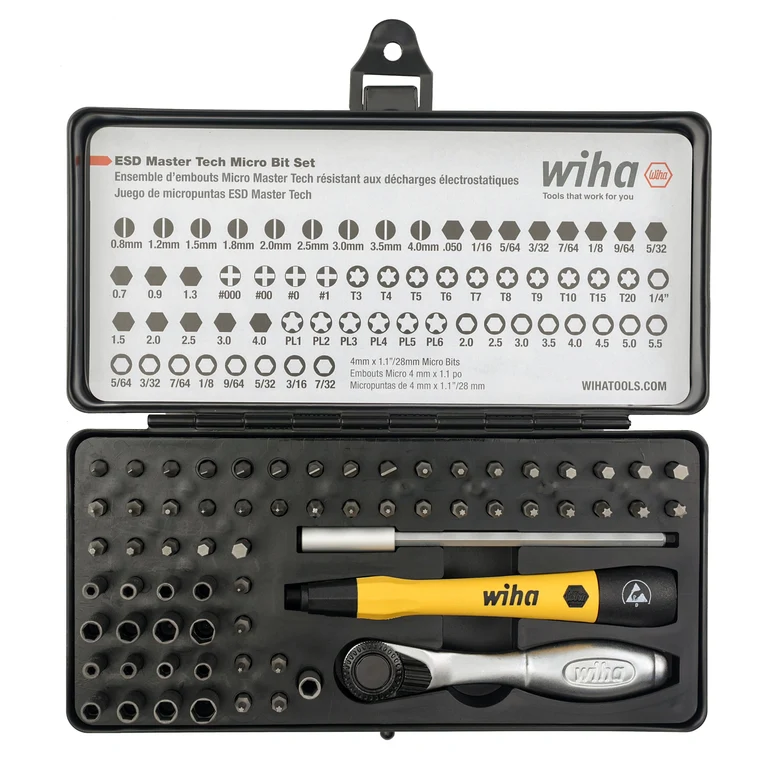
From furniture assembly to appliance repairs, the right driver can make a small job much easier. Torx fasteners have a six-point, star-shaped recess that helps the tool grip securely and reduces the chance of slipping when you apply pressure. If you’re comparing options online, searching for Torx screwdrivers can help you find tools for common household tasks as well as more specialized repairs.
Match the Driver to the Fastener
The most important step is choosing the correct size. Torx sizes are marked with a “T” followed by a number, such as T10 or T25. A driver that is too small may wobble or damage the recess; one that is too large may not seat fully. Before applying force, place the tip into the fastener and check that it fits snugly, with minimal movement.
Look at the screw head, product instructions, or repair documentation for the size. If you’re working with an unfamiliar fastener, try likely sizes gently rather than forcing a tip into place. Some screws have a security pin in the center of the recess. These require a compatible driver with a hollow tip, so check the fastener before beginning.
Choose a Set for Your Projects
For general home use, a set covering several common sizes is often more practical than buying a single tool. A range gives you flexibility for assembling furniture, tightening hardware, repairing small appliances, or working on electronics. If you regularly tackle one type of project, such as bicycle maintenance or equipment repair, check its instructions to identify the sizes you’ll use most.
Consider the handle as well as the tip. A comfortable, nonslip grip can improve control, especially when a fastener is tight or access is awkward. A longer shaft may reach recessed screws, while a shorter driver can be easier to maneuver in confined spaces. Precision drivers are useful for small screws, but they are not a substitute for full-size tools when more turning force is needed.
Use the Tool Correctly
Seat the tip squarely in the recess before turning. Apply steady pressure toward the screw as you rotate, keeping the driver aligned with the fastener. This helps prevent the tip from slipping and wearing down the screw head. If the screw resists, don’t simply increase force; check that you have the right size and that the fastener isn’t obstructed or corroded.
For powered tools, use a matching bit and start at a low speed. Stop once the fastener is secure, since overtightening can damage the material or strip the recess. When working near electrical components, disconnect power first and follow the equipment’s safety instructions.
Keep Your Drivers Ready
Wipe tips clean after use and store each tool or bit where its size remains easy to identify. Replace worn or damaged tips, which are more likely to slip. A well-chosen set, matched carefully to each fastener and used with controlled pressure, can make everyday repairs smoother and help protect both screws and materials.