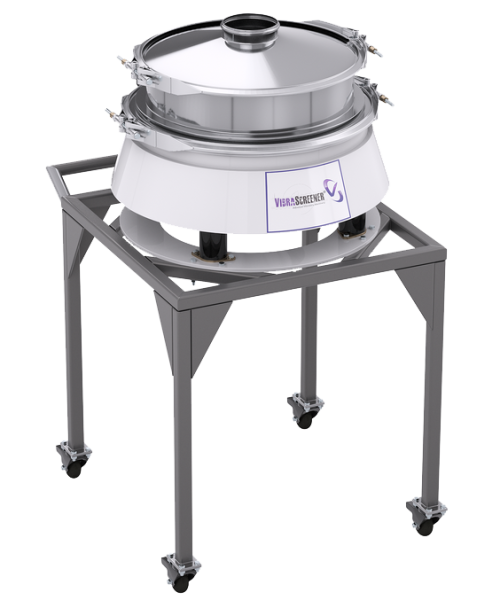
Consistent product quality depends on catching variation before it reaches the next production step—or a customer. In food, chemical, plastics, and other US manufacturing plants, screening materials helps teams remove unwanted particles and confirm that ingredients meet specifications. For quality managers researching an Industrial sifting machine, the key question is how the equipment can support reliable inspection without slowing production.
Separating to a Defined Standard
A sifting system separates material by particle size, allowing a plant to remove oversize pieces, lumps, or foreign material and retain product within an intended range. This makes it easier to apply measurable acceptance criteria instead of relying only on visual checks. Operators can select screen openings that match product specifications, then inspect the retained material and document whether it falls within established limits.
That consistency matters when raw materials vary from shipment to shipment. A controlled screening step can help stabilize the feed going into mixing, filling, molding, or packaging. It also gives quality teams an earlier opportunity to identify a problem, before more time and material are invested in a nonconforming batch.
Reducing Contamination Risks
Screens can act as a practical checkpoint for unwanted material, including fibers, packaging fragments, or hard particles introduced during handling. They do not replace supplier controls, sanitation programs, or other inspection methods, but they add another layer of protection within the process.
To make that checkpoint effective, plants should define what the screen is intended to catch and how often it will be inspected. Check the mesh or perforated plate for tears, wear, and blockage; verify that clamps and seals are in good condition; and follow documented cleaning procedures between products. These routine checks reduce the chance that damaged equipment or residue will undermine the control it is meant to provide.
Supporting Repeatable Production
Vibratory screening can process material continuously, helping plants maintain a steady flow while separating particles. Properly matched equipment can limit manual handling, which may reduce opportunities for spills and mix-ups. It can also help operators identify process changes: a sudden increase in oversize material, for example, may point to a change in a raw ingredient or an upstream mixing or milling issue.
For meaningful results, screen selection should reflect the material’s characteristics—not just the desired particle size. Consider moisture, bulk density, temperature, abrasiveness, and whether the product tends to clump. A screen that is too fine may blind or restrict throughput; one that is too coarse may fail to remove the particles of concern. Trials with representative material can help verify capacity and separation performance before full-scale use.
Making Results Actionable
Equipment improves quality control when it is part of a documented process. Establish acceptance limits, record inspection results, and define who is responsible for responding to a failed check. Track trends such as screen changes, cleaning frequency, rejected material, and production interruptions. Reviewing those records can reveal recurring issues and guide maintenance or supplier conversations.
Training is equally important. Operators should know how to identify abnormal vibration, unusual noise, poor flow, or visible screen damage, and when to stop the line and notify a supervisor. A clear response plan prevents small deviations from becoming larger quality incidents.
When screening is matched to the product and supported by inspection, maintenance, and records, it becomes more than a separation step. It helps US plants catch problems earlier, protect product consistency, and make quality decisions based on repeatable evidence—without losing sight of production efficiency.