Takeaway:
• Ask about sod sourcing, soil prep, and installation timelines before signing any agreement.
• Compare hydroseeding versus sod installation based on property size, slope, and budget.
• Confirm service area coverage and realistic establishment timeframes for Troy, OH conditions.
Choosing the right provider among landscape contractors depends on verifying their sod sourcing, installation methods, and experience with lawn establishment in local soil and climate conditions. A short screening process before hiring can prevent costly reinstalls or a lawn that fails to root properly.
Homeowners searching for Landscape Contractors are usually trying to solve one of two problems: a bare or damaged lawn that needs new turf, or a construction site that requires grading and planting before move-in. Either situation calls for a contractor who can explain sod handling, seeding methods, and realistic timelines rather than vague promises. The questions below help narrow the search to providers who can answer with specifics.
What Installation Methods Does the Contractor Offer
Not every lawn problem calls for the same fix. A contractor who only offers one method may push it regardless of fit.
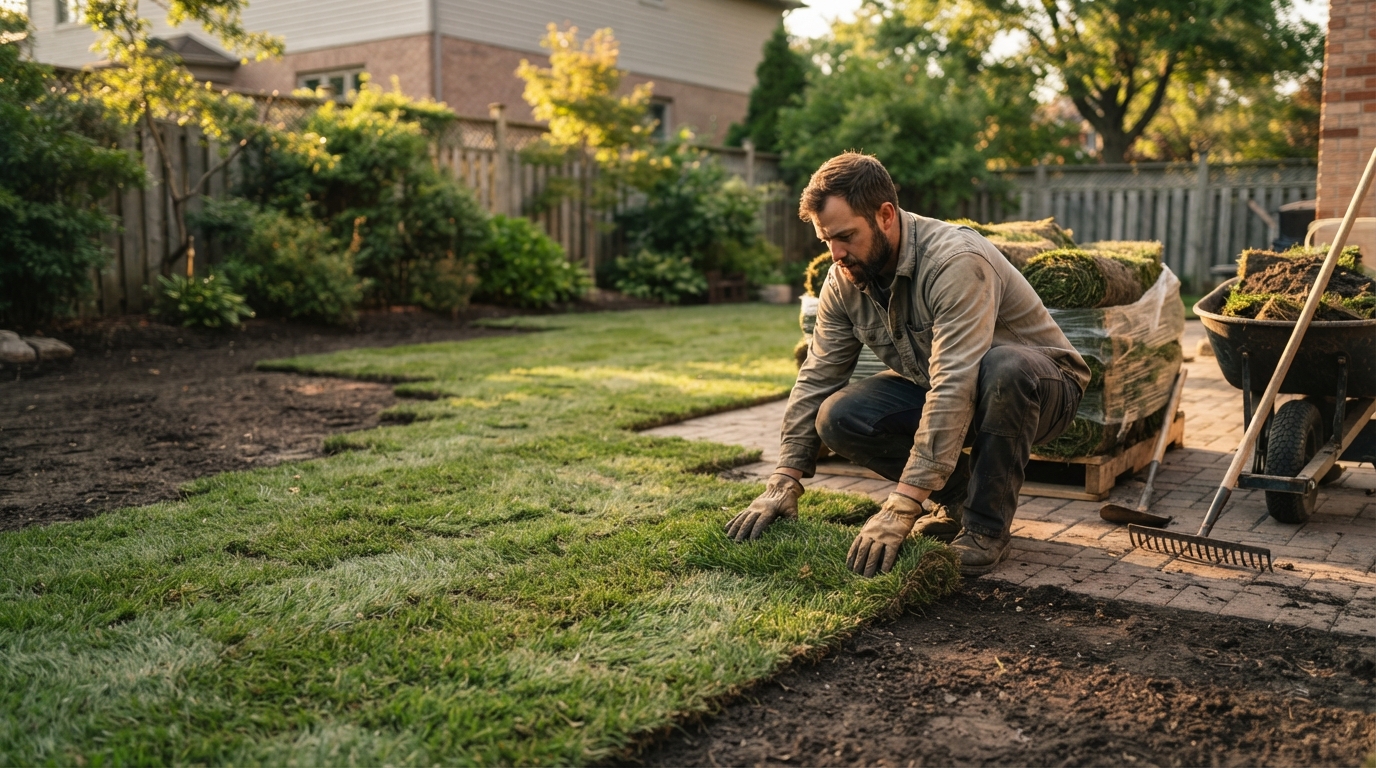
• Sod installation: delivers an immediate, walkable lawn and is generally preferred on slopes under 15 degrees.
• Hydroseeding: a slurry of seed, mulch, and fertilizer sprayed onto prepared soil, often used on larger or sloped areas prone to erosion.
• Seed-only establishment: typically the slowest method but can cost less for large open areas.
Ask whether the contractor harvests or sources sod fresh and how quickly it gets installed after cutting, since sod quality declines rapidly once removed from the field.
How Does the Contractor Handle Soil Preparation and Timing
Soil prep determines whether new turf survives its first season. A rushed installation on poorly graded or compacted soil often fails within weeks, regardless of sod quality.
1. Ask how the crew grades and levels the site before laying sod or applying seed.
2. Confirm whether topsoil testing or amendment is part of the process.
3. Ask about seasonal timing, since placing sod on frozen ground is discouraged and planting windows shift through the year.
4. Request an estimate of watering requirements during the first two to three weeks after installation.
According to Ohio EPA guidance on sod stabilization, initial rooting typically occurs 10 to 14 days after sod is laid, and foot traffic and mowing should be avoided during that time. The same guidance notes that sod should be harvested, delivered, and installed within 48 hours to maintain quality. A contractor familiar with these standards is more likely to deliver a lawn that actually takes root in Troy, OH yards, where clay-heavy soils and seasonal rainfall swings can affect establishment.
Comparing Sod and Hydroseeding Before You Decide
| Factor | Sod Installation | Hydroseeding |
| Time to usable lawn | Rootable within 2-3 weeks | Germination in 5-10 days; full establishment in 4-6 weeks |
| Best suited for | Flat to moderate slopes, quick turnaround needs | Larger or erosion-prone, sloped properties |
| Cost pattern | Generally higher upfront cost | Often lower cost for large areas |
| Pet or foot traffic wait | Light use after 2-3 weeks | Keep off for 4-6 weeks |
This comparison reflects general industry patterns rather than a single provider’s pricing, since rates vary by property size and site conditions.
What Should Be Confirmed Before Signing an Agreement
A written scope of work protects both the property owner and the contractor. Before any work begins, confirm the following in writing.
• Exact square footage to be sodded or seeded, including any grading work.
• Turf type being supplied, such as tall fescue, and whether it suits the site’s sun or shade exposure.
• Watering responsibilities during the establishment period.
• Any warranty or follow-up visit for areas that fail to root.
Clarifying these points reduces disputes after installation and sets realistic expectations for how the lawn will look in its first growing season.
Frequently Asked Questions
How long does it take for new sod to root after installation? Industry guidance indicates initial rooting generally begins within 10 to 14 days, though full root depth can take several additional weeks depending on soil and weather conditions.
Is hydroseeding cheaper than sod? Hydroseeding is often less expensive per square foot on large or sloped properties, while sod tends to cost more upfront but provides an immediate, walkable lawn.
Can sod be installed during winter months? Placing sod on frozen ground is generally discouraged, and most installation schedules in Ohio favor spring through early fall windows for the best root establishment.
What questions reveal a contractor’s experience level? Asking about sod sourcing, soil preparation steps, seasonal timing, and post-installation watering guidance usually reveals whether a contractor follows established lawn establishment practices.
Next Steps for Property Owners in the Area
Based in Xenia, OH, Gerdes Turf Farms, Inc. serves customers across Troy, OH with sod and hydroseeding related work.
Current service details for Learn More About Gerdes Turf Farms, Inc. are published for property owners comparing lawn establishment options.