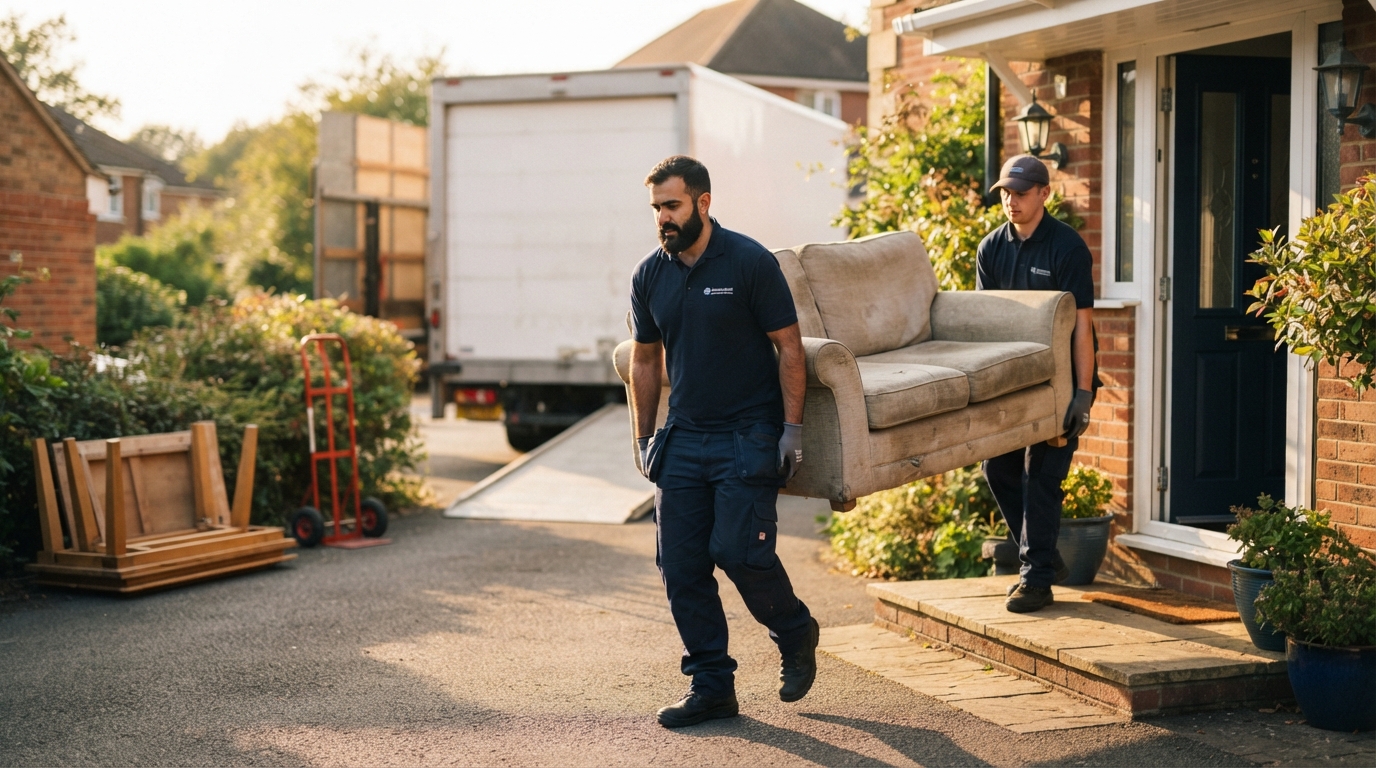
Quick summary:
- Clearing out furniture safely involves assessing weight, disassembly options, and exit pathways before moving anything.
- Donation, recycling, and bulk pickup programs can reduce what ends up in a landfill.
- Professional haulers handle lifting, loading, and disposal logistics for larger or multi-room projects.
Removing old sofas, mattresses, and bulky furniture pieces from a home requires planning around weight, doorways, and disposal rules rather than just brute strength. The fastest and safest results typically come from sorting items first, then choosing between donation, curbside programs, or hauling services based on condition and volume.
Furniture removal becomes more complicated once a piece is too heavy for one or two people, or when a home has stairs, tight hallways, or elevators with weight limits. Furniture removal often involves more than hauling an item to the curb, since local rules in Miami Beach, FL may restrict how and when bulky items can be set out for collection. Checking those guidelines before moving day helps avoid fines or missed pickups.
Sorting Furniture Before It Leaves the House
Separating items by condition and material saves time and reduces unnecessary trips. Furniture in usable condition can often be donated, while damaged or worn pieces typically need disposal or recycling.
- Usable condition: sofas, dressers, and tables without structural damage may qualify for donation centers or reuse programs.
- Damaged or broken: items with torn upholstery, broken frames, or water damage usually cannot be donated and require disposal.
- Mixed material: pieces combining wood, metal, and fabric may need to be broken down for proper recycling.
Checking local guidance, such as the EPA’s furniture reuse and recycling information, can clarify which materials are accepted by municipal or regional recycling programs.
Moving Heavy Pieces Without Injury or Damage
Lifting technique matters as much as manpower when clearing out bulky items. Improper lifting is a leading cause of household moving injuries, so bending at the knees and keeping loads close to the body reduces strain on the back.
- Disassemble bed frames, table legs, and modular shelving before moving them through doorways.
- Use furniture sliders or moving straps to reduce friction on flooring and reduce lifting strain.
- Measure doorways, hallways, and stairwells against the furniture’s dimensions before attempting to move it.
- Clear walking paths of rugs, cords, and small objects that could cause a trip during transport.
Homes in Miami Beach, FL often include narrow interior stairwells and compact condo layouts, which makes pre-measuring especially useful before scheduling a move or pickup.
Comparing Disposal and Removal Options
Different methods suit different timelines, budgets, and furniture conditions. The table below outlines common approaches for clearing out household furniture.
| Method | Best For | Typical Turnaround | Cost Consideration |
| Municipal bulk pickup | Single large items in good standing with local rules | Scheduled collection day | Often free or included in service fees |
| Donation drop-off or pickup | Gently used, intact furniture | Varies by organization | Usually free |
| Furniture recycling center | Broken-down or material-specific pieces | Same day to a few days | May charge per load or item |
| Hauling service | Multiple items, full rooms, or heavy pieces | Often same week | Charged by volume or load size |
Choosing between these options generally depends on how much furniture needs to go, how quickly the space must be cleared, and whether items can be disassembled for easier handling.
Timing and Access Considerations
Scheduling matters when a building has limited elevator access or a narrow loading zone. Confirming move-out windows with a building manager in advance helps prevent delays on collection day.
- Reserve elevators or loading docks ahead of time in multi-unit buildings.
- Avoid scheduling pickups during peak traffic hours in dense areas.
- Confirm whether items need to be bagged, wrapped, or placed in a specific location for collection.
Coastal humidity in Miami Beach, FL can also affect upholstered furniture left outdoors awaiting pickup, so minimizing exposure time reduces mold risk on items still destined for donation.
Frequently Asked Questions
Is furniture removal typically free through city services? Many municipalities offer scheduled bulk item pickup at no added cost, though rules on item limits and placement vary by location and should be confirmed locally.
Can furniture be recycled instead of thrown away? Many materials, including metal frames and certain woods, can be recycled, while upholstered fabric pieces often require specialized recycling or disposal depending on local facility capabilities.
What is the safest way to move a heavy couch alone? Moving heavy furniture alone is not generally recommended; using sliders, disassembling removable parts, and enlisting at least one other person reduces injury risk significantly.
How far in advance should pickup be scheduled? Timelines vary by provider and method, so confirming availability a few days ahead is a reasonable practice for both municipal and private services.
Planning Ahead for a Smoother Clear-Out
Based in Hialeah Gardens, FL, Junk King Miami North serves customers across Miami Beach, FL.
Scheduling details and local service area coverage for Junk King Miami North are available for residents planning a furniture clear-out.