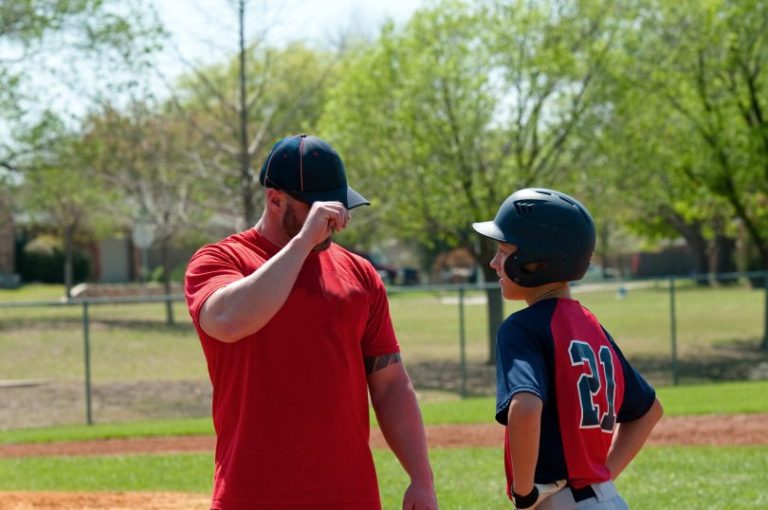
College softball programs can change their recruiting priorities when coaches leave, athletes transfer, roster openings shift, or team needs evolve. These changes can affect which positions receive attention, how coaches evaluate prospective players, and whether previously promising recruiting opportunities remain available.
For high school softball players in Gilbert, AZ, this uncertainty can be difficult to understand. An athlete may spend months communicating with a college program, only to discover that the coaching staff is no longer prioritizing her position.
A change in recruiting interest does not automatically indicate that an athlete’s abilities have declined. In many cases, it reflects decisions happening within the college program.
Understanding how these changes influence recruitment can help families maintain realistic expectations and appreciate the importance of flexible, informed college planning.
Why Do College Softball Recruiting Priorities Change?
College softball coaches are responsible for building teams that can compete effectively while maintaining roster balance.
Their recruiting decisions involve more than identifying talented athletes. Coaches must consider graduating players, available positions, athletic development, incoming commitments, and the overall composition of their teams.
For example, a college may initially prioritize recruiting an additional pitcher for an upcoming graduating class. However, if a current pitcher decides to remain with the program or an experienced transfer joins the team, that need could change.
The coaching staff may then direct more attention toward an outfielder or another position.
These adjustments are normal aspects of college athletics, but they can be confusing for families who have already invested time in a particular opportunity.
During college softball recruitment, a program’s needs are not necessarily fixed from one season to the next.
An athlete who appeared to be a strong positional match several months earlier may encounter different circumstances as the recruiting cycle develops.
How Can Coaching Changes Affect a Potential Recruit?
A coaching transition is one of the most significant developments that can influence recruiting priorities.
When a college hires a new head coach, that individual may introduce different playing philosophies, positional preferences, and roster expectations.
An athlete who attracted attention under the previous coaching staff may not receive the same level of interest from the new staff.
Different Coaches May Value Different Skills
Consider a hypothetical Gilbert softball player who excels as a contact hitter and dependable defensive infielder.
A college coach who emphasizes consistent contact hitting and defensive reliability may consider her an attractive prospect.
However, a newly hired coach might prefer a different offensive approach or prioritize athletes with other strengths.
Neither evaluation necessarily means the athlete is unsuitable for college softball.
Instead, the two coaches may have different ideas about how to construct their teams.
This is why athletic compatibility involves more than meeting general performance standards.
Existing Recruiting Conversations May Be Reconsidered
A coaching change can also affect athletes who have already communicated with a program.
The incoming staff may review previous recruiting evaluations, reconsider roster projections, or reassess which graduating classes require additional players.
Some recruiting relationships continue through a coaching transition, while others change substantially.
An athlete should not assume that earlier conversations automatically represent an ongoing commitment from the institution.
Formal agreements and verbal expressions of interest also have different implications, making it important to understand the nature of any recruiting communication.
What Role Does the Transfer Portal Play in Recruiting Decisions?
The NCAA transfer portal has become an important consideration in college roster management.
It provides a system through which eligible student-athletes can notify their institutions of an intention to transfer and potentially communicate with other programs under applicable rules.
For college coaches, transfer athletes may represent opportunities to add experienced players to their rosters.
This can influence how programs evaluate incoming high school recruits.
Experienced Transfers Can Change Positional Priorities
Imagine a college softball program anticipating the graduation of its starting catcher.
The coaching staff may initially express interest in several high school catchers who could eventually fill that position.
Later, the program might recruit a college transfer with substantial playing experience.
That addition could change the staff’s immediate recruiting priorities.
The program might still consider incoming freshmen, but the role originally envisioned for a particular athlete may no longer be available.
These developments show why recruiting interest can fluctuate without any change in a high school player’s performance.
Transfers Can Also Create Unexpected Opportunities
The effect can work in the opposite direction.
If an established player leaves a program, the coaching staff may need to reconsider its positional depth.
A college that previously appeared to have limited recruiting needs might begin evaluating additional prospects.
However, a roster vacancy does not automatically guarantee a recruiting opportunity.
Coaches may choose to develop an existing player, recruit another transfer, or make different adjustments.
For families navigating the softball recruiting process, the important consideration is that roster changes can influence recruiting decisions in several ways.
Why Do Roster Limits Matter More Than Families Might Expect?
College teams operate within rules that influence how many athletes can participate and how programs manage their rosters.
These requirements vary across athletic organizations and divisions.
For certain NCAA Division I institutions, changes associated with the House settlement introduced a roster limit of 25 players for softball beginning July 1, 2025.
These requirements apply to institutions covered by the settlement or those that opt into its terms, subject to applicable rules and exceptions.
This does not mean every college softball program operates under identical roster restrictions.
However, it demonstrates how institutional and regulatory developments can influence recruiting decisions.
A coaching staff may need to consider its existing players, incoming recruits, transfers, and permissible roster size when evaluating future athletes.
For a high school player, this means a program’s interest may depend partly on circumstances that are not visible during a tournament or recruiting conversation.
College softball scouting can identify promising athletes, but recruiting decisions must also account for the program’s available opportunities.
Can an Athlete Lose Recruiting Interest Without Playing Poorly?
Yes. A college program may become less interested in an athlete even when her performance remains consistent or improves.
This can happen when a team recruits another player at the same position, changes its offensive or defensive strategy, or adjusts its projected roster.
For example, a pitcher might attract interest from a college during her sophomore year because the program expects to need additional pitching depth.
By her junior year, the coaching staff may have received commitments from other pitchers.
The college’s needs may have changed even though the athlete continues developing her skills.
Recruiting interest is not simply a ranking of individual talent.
It reflects the relationship between an athlete’s abilities and the specific circumstances of a college program.
A player can be talented and academically qualified without matching a particular team’s immediate needs.
Understanding this distinction can prevent families from interpreting every change in communication as a negative judgment about the athlete.
How Does Recruiting Timing Influence Available Opportunities?
College softball programs recruit across multiple graduating classes while planning for future seasons.
Their priorities can change as athletes commit, roster decisions develop, and coaching staffs reassess their needs.
A program that needs an infielder in one recruiting class may have different priorities for the next.
Recruiting timelines also depend on NCAA division rules, permissible communication periods, and institutional procedures.
These differences can affect when families receive information from college programs.
Early Interest Is Not Always a Final Decision
A coach may express preliminary interest before determining how many available roster positions will be allocated to a particular graduating class.
As more information becomes available, that interest could develop into a more serious recruiting conversation or gradually decline.
Early communication is therefore not equivalent to a guaranteed roster opportunity.
Recruiting Needs May Evolve Late in the Cycle
Changes can occur closer to graduation as well.
A college may encounter an unexpected roster departure, receive a transfer commitment, or revise its recruiting plans.
These developments can create uncertainty for athletes who believed their college search was nearly complete.
For Gilbert families, the changing nature of recruiting reinforces the importance of evaluating multiple appropriate opportunities rather than assuming one interested program will remain available.
What Happens When an Athlete’s Position Is No Longer a Priority?
When a college changes its positional needs, an athlete may experience less frequent communication or receive an explanation that the program is moving in another direction.
In some situations, the coach may still appreciate the athlete’s abilities but no longer anticipate having an appropriate roster opportunity.
Consider a shortstop who has been communicating with a college for several months.
The program may later secure a commitment from another middle infielder or decide to develop an existing player for that role.
The athlete’s potential fit with the program may change as a result.
This does not necessarily mean the athlete should abandon her college softball goals.
Different institutions have different roster structures, coaching preferences, and positional needs.
An athlete who is not currently a strong match for one college may align more closely with another program.
A broader college search can provide a more realistic picture of potential opportunities.
The key is understanding that recruiting decisions are often based on team-specific circumstances, not just individual athletic performance.
Why Is Athletic Fit More Important Than a College’s Reputation?
Many student-athletes initially focus on recognizable universities or programs competing at the highest levels.
While these institutions can offer exciting athletic environments, recognition alone does not determine whether a college represents a suitable opportunity.
A program’s competitive division, coaching approach, roster composition, and academic offerings all influence the student-athlete experience.
An athlete might be attracted to a Division I institution but discover that another collegiate program offers a more appropriate combination of educational opportunities and athletic compatibility.
Financial considerations can also influence the decision.
Some schools provide athletic scholarships, while others offer different forms of financial assistance.
The strongest college match is not necessarily the institution with the most recognizable name or the greatest initial recruiting interest.
For athletes in Gilbert, evaluating college opportunities requires understanding how their abilities and preferences align with each school’s circumstances.
This approach remains valuable even when individual programs change their recruiting priorities.
How Can Recruiting Advisors Help Families Understand These Changes?
College recruiting can become particularly confusing when several programs communicate different levels of interest.
One school may be actively evaluating a student-athlete, while another may have changed its recruiting priorities without providing a detailed explanation.
Professional recruiting guidance can help families understand these developments within a broader college search.
Organizations offering Softball recruiting services may assist with personalized recruiting strategies, researching college programs, organizing athlete information, and evaluating potential academic and athletic matches.
For example, TAC College Recruitment helps baseball and softball student-athletes and their families better understand recruiting opportunities through individualized guidance and college research resources.
Their approach emphasizes considering athletic ability, educational interests, financial circumstances, and geographic preferences together.
Rather than assuming that every interested college represents the right opportunity, recruiting guidance can help families understand which factors deserve closer consideration.
This support is particularly relevant when coaching changes, transfer activity, or roster adjustments influence previously identified opportunities.
However, recruiting advisors do not control college coaches’ decisions or guarantee scholarship awards and roster positions.
Their role is to provide information and guidance that supports more informed decision-making.
What Should Families Understand About Changing Recruiting Opportunities?
When college programs modify their recruiting plans, families may be uncertain about whether the change is temporary or permanent.
The answer depends on the institution’s circumstances.
Some changes reflect immediate roster decisions, while others result from longer-term coaching strategies or institutional priorities.
An athlete’s recruiting experience may also differ depending on her graduation year, playing position, academic qualifications, and the collegiate divisions she is exploring.
For parents supporting a prospective college softball player, these uncertainties can make the process emotionally demanding.
A promising conversation with a college coach may create expectations that become difficult to reconsider when the program changes direction.
It is important to recognize that recruiting involves decisions on both sides.
Coaches evaluate which athletes can meet their teams’ needs, while student-athletes and families consider whether the institution offers an appropriate environment.
A recruiting opportunity becomes meaningful when those interests align.
When circumstances change, understanding the reasons behind the shift can make it easier to evaluate the broader recruiting landscape.
Why Does a Flexible Recruiting Strategy Matter?
A personalized recruiting strategy recognizes that college athletic opportunities can change throughout the recruiting cycle.
It also acknowledges that student-athletes may develop new academic interests, improve their abilities, or reconsider where they want to attend college.
For a Gilbert softball player, a balanced college search might include institutions with different competitive levels, locations, and educational offerings.
The objective is not to pursue every college or assume that more recruiting attention automatically leads to better outcomes.
Instead, the process should focus on identifying opportunities that align with the athlete’s circumstances.
As programs change their priorities, the relative suitability of individual colleges may also change.
An institution that initially appeared promising might become less appropriate, while another may emerge as a stronger match.
This uncertainty is part of the broader recruiting environment.
A thoughtful approach helps families understand that college selection should remain connected to the athlete’s long-term interests rather than a single program’s recruiting decisions.
College Recruiting Changes, but the Right Fit Still Matters
College softball programs regularly reassess their recruiting needs as players graduate, transfers arrive, coaches change, and roster decisions evolve.
These developments can affect which positions receive attention and whether previously promising opportunities remain available.
For high school softball players in Gilbert, AZ, changing recruiting interest can be disappointing, especially when significant time has already been invested in communicating with a college.
However, a program’s changing needs do not necessarily define an athlete’s potential to compete at the collegiate level.
College recruiting is influenced by institutional priorities, roster availability, athletic compatibility, academic expectations, and financial considerations.
Understanding how these factors interact can help families view recruiting decisions with greater perspective.
With informed guidance and a realistic understanding of available opportunities, student-athletes can approach the college search as a process of finding a suitable educational and athletic environment, rather than securing approval from one particular program.
About TAC College Recruitment
Serving student-athletes in Gilbert and throughout the United States, TAC College Recruitment provides personalized baseball and softball recruiting guidance focused on college selection, recruiting education, and athletic and academic compatibility. Founder Tony Downs brings more than 35 years of experience as a baseball and softball hitting instructor, along with a background in collegiate athletics and six years as a college professor. Families can call or text (623) 252-2542 to learn about their recruiting guidance or Find their location on Google Maps.