Simply put:
• Demolition land clearing removes structures, debris, trees, and vegetation to prepare a property for construction, grading, or resale.
• The process typically involves permitting, utility disconnection, structural removal, and debris hauling before grading can begin.
• Proper clearing reduces delays and site hazards later in a construction or development timeline.
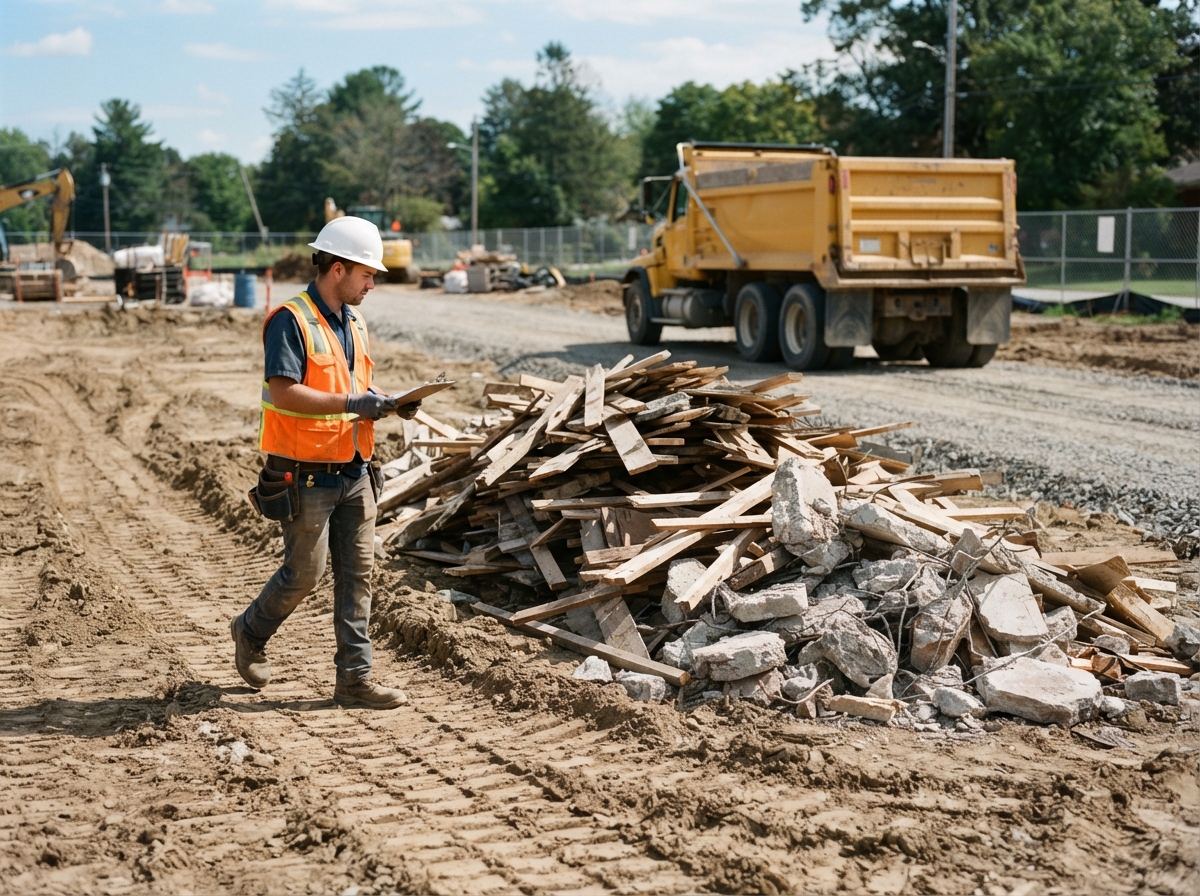
Demolition land clearing refers to the combined process of removing existing structures, trees, brush, and surface debris from a parcel so it can be regraded or built on. It is typically one of the first physical steps in any construction, redevelopment, or land-use change project.
Property owners and contractors in growing areas often turn to Demolition Land Clearing Lincoln NE services when a site needs to be reset to bare ground before new work can begin. This applies to agricultural parcels being converted for building, commercial lots being redeveloped, or residential properties where an old structure no longer meets current needs. The scope can range from removing a single outbuilding to clearing several acres of mixed vegetation and old foundations.
What Demolition Land Clearing Typically Involves
Clearing a site is rarely a single-step task. Most projects follow a sequence that protects workers, neighboring properties, and underground infrastructure.
• Utility locating and disconnection of water, gas, sewer, and electric lines before any demolition begins
• Removal of structures, slabs, or foundations using excavators and heavy equipment
• Clearing of trees, stumps, brush, and topsoil obstructions
• Sorting and hauling of debris, concrete, and vegetative waste off-site
• Rough grading to leave the parcel level and ready for the next phase of development
Each step depends on site conditions. A parcel with an old barn and mature trees requires different equipment and timing than a vacant commercial lot with only a concrete pad.
Permitting and Regulatory Considerations in Lincoln, NE
Local rules affect how and when clearing work can proceed. Demolition permits, erosion control plans, and utility disconnection sign-offs are generally required before equipment can start moving earth or removing structures.
The Environmental Protection Agency maintains guidance on demolition debris handling and lead-based paint precautions for structures built before 1978, which can apply to older buildings slated for removal. Property owners working on sites in Lincoln, NE should confirm current local permitting steps with city or county offices before scheduling demolition, since requirements can vary by parcel size, zoning, and the presence of existing utilities.
Seasonal timing also matters. Frozen ground in winter can slow excavation, while spring thaw periods sometimes bring drainage and erosion concerns that affect how quickly a cleared site can be graded for construction.
Comparing Clearing Scenarios by Site Type
Not every property requires the same level of work. The table below outlines how scope generally differs across common site types.
| Site Type | Typical Work Involved | Relative Complexity |
| Vacant residential lot with light brush | Vegetation removal, light grading | Low |
| Lot with an existing structure | Demolition, debris haul-off, foundation removal | Moderate |
| Wooded or overgrown acreage | Tree and stump removal, large debris sorting | Moderate to High |
| Former commercial or industrial site | Structure demolition, utility disconnection, possible contaminated material handling | High |
Complexity generally increases with the number of structures, the density of vegetation, and whether utilities or hazardous materials are present.
Business Info
Excavation and site-preparation contractors that handle demolition land clearing typically operate with heavy equipment such as excavators, dozers, and haul trucks suited to structure removal and debris transport. Based in USA, A Miracle Trucking & Excavating serves customers across Lincoln, NE, supporting site preparation work tied to construction and land development projects.
Frequently Asked Questions
Does demolition land clearing include grading the site afterward? Rough grading is often included as a final step so the parcel is level and ready for foundation work or further site development, though the extent of grading depends on project scope.
How long does a typical clearing project take? Timelines vary widely based on parcel size, the number of structures involved, and weather conditions, with small residential lots taking days and larger or wooded parcels taking longer.
Are permits always required before clearing begins? Most demolition and land-disturbance activities require permits, and requirements differ by jurisdiction, so confirming local rules before work starts is a necessary early step.
What happens to debris removed from the site? Debris is typically sorted into categories such as concrete, wood, and vegetative waste, then hauled to appropriate disposal or recycling facilities depending on material type.
Final Thoughts and Next Steps
Site readiness details for A Miracle Trucking & Excavating are available for property owners evaluating demolition and clearing needs in the region.