Key takeaway:
- A contact lens exam checks corneal health, tear film, and fit, going beyond a standard vision screening.
- Annual exams are the standard recommendation for contact lens wearers, regardless of age.
- Skipping routine exams raises the risk of infection, discomfort, and prescription inaccuracy.
A contact lens exam is a specialized evaluation that measures the eye’s curvature, tear quality, and corneal health to determine whether contact lenses are a safe and suitable option. It differs from a standard vision screening because it includes additional measurements specific to lens fit and comfort.
Anyone currently wearing or considering contact lenses in Ohio benefits from understanding why this exam is scheduled separately from a routine eyeglass checkup. A Contact Lens Exam in Ohio involves corneal curvature measurement, tear film assessment, and a trial fitting period before a final prescription is issued. These steps help confirm that a chosen lens type sits correctly on the eye and does not restrict oxygen flow to the cornea.
What Happens During the Exam
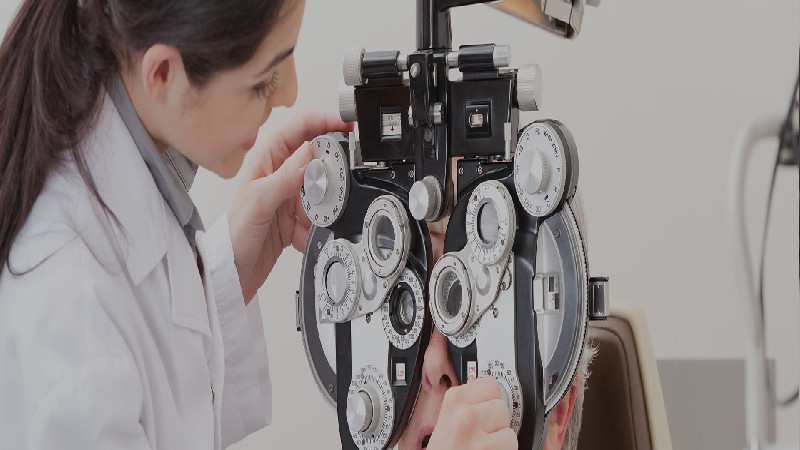
A contact lens exam typically includes several distinct measurements that a general eye exam does not cover.
- Corneal curvature mapping: Keratometry or corneal topography is used to measure the shape of the cornea, which helps determine lens curvature and detect conditions like astigmatism or keratoconus, as outlined in the AOA Comprehensive Adult Eye and Vision Examination guideline.
- Tear film evaluation: Dry eye symptoms can affect lens comfort and wear time.
- Pupil and iris measurement: These dimensions influence lens diameter selection.
- Trial fitting: Patients wear sample lenses briefly so the provider can check movement and centering before finalizing a prescription.
Because contact lenses rest directly on the eye’s surface, the exam process is more detailed than fitting eyeglasses, which only requires a refraction measurement.
Why Annual Exams Matter for Contact Lens Wearers
Eye care organizations consistently recommend yearly follow-up exams for anyone who wears contact lenses, independent of age or prior eye health.
| Wearer Type | Recommended Exam Frequency | Reason |
| New contact lens wearer | Initial fitting, then follow-up within weeks | Confirms proper fit and comfort |
| Established wearer, no symptoms | Annually | Monitors corneal changes over time |
| Wearer with dryness or irritation | As recommended by provider | Identifies early signs of complications |
Contact lenses sitting on the cornea can contribute to dryness, irritation, or changes in the eye’s surface over time, which is why routine monitoring is recommended for every wearer. Following the suggested replacement and care schedule between exams also reduces the likelihood of complications developing unnoticed, according to AOA contact lens care guidance.
Risks of Skipping Routine Evaluations
Delaying a scheduled exam can allow small problems to progress before they are noticed.
- Undetected corneal changes: Minor shifts in corneal shape can go unnoticed without regular keratometry checks.
- Prescription drift: Vision needs can shift gradually, leading to blurred vision if the lens power is not updated.
- Increased infection risk: Lenses that no longer fit properly can trap debris or reduce oxygen flow to the cornea.
- Discomfort during extended wear: Dryness or irritation symptoms often worsen without a reassessment of lens material or fit.
Ohio’s seasonal humidity shifts, from dry winter air to higher summer humidity, can also affect tear film stability, making periodic reassessment particularly relevant for wearers across the state.
Frequently Asked Questions
How long does a contact lens exam take? Most exams take between 30 and 60 minutes, depending on whether it is an initial fitting or a routine follow-up visit.
Is a contact lens exam different from a regular eye exam? Yes. A standard eye exam measures visual acuity for glasses, while a contact lens exam adds corneal curvature mapping, tear film testing, and a trial fitting period.
Can I reuse an old contact lens prescription? Contact lens prescriptions typically expire after one year, since corneal shape and tear quality can change, requiring a new exam before lenses are reordered.
What if my eyes feel fine without exams? Even without symptoms, corneal changes can occur gradually, so routine monitoring remains part of standard care for every contact lens wearer.
Scheduling and Service Area
Based in USA, Ohio Eye Associates serves patients across Ohio, with identity and location details published on its business profile.
Published contact lens service details for Visit Ohio Eye Associates cover current lens brands and exam scheduling options.