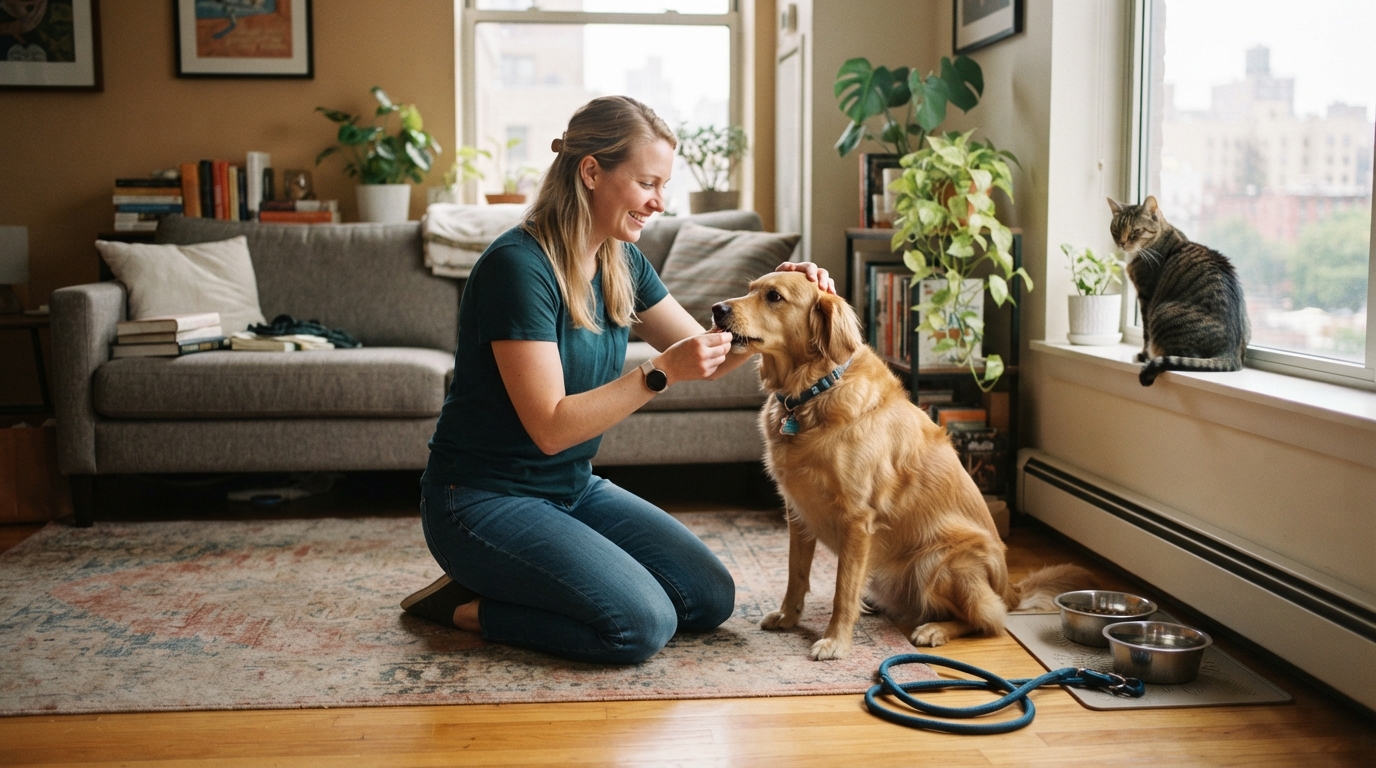
A familiar home can offer a gentler setting when a pet is nearing the end of life. For families researching Mobile vet euthanasia Arvada CO, understanding how an at-home visit works can help them make thoughtful plans and focus on their pet’s comfort.
Why familiar surroundings matter
Veterinary clinics provide important medical care, but travel, waiting rooms, unfamiliar scents, and other animals can be stressful for a sick or anxious pet. At home, a pet can remain in a favorite bed, lie beside a trusted person, or rest in a quiet room. Familiar surroundings may help reduce agitation and allow the family to spend time together without the distractions of a clinic.
Home comfort also gives families more control over the environment. They can choose a peaceful space, adjust lighting and temperature, and invite only the people they want present. Some pets may prefer a sunny patch of floor or a familiar outdoor area, while others feel safest in a quiet room. The veterinarian can help determine whether the chosen location is appropriate for the pet’s condition and the procedure.
What to expect from a home visit
Before scheduling, families can ask the veterinarian how the visit is organized, what steps are involved, and how much time to set aside. A clear explanation can ease uncertainty and help everyone prepare. It is also useful to discuss the pet’s medical history, current symptoms, mobility, and any signs of fear or discomfort.
The veterinarian typically assesses the pet and explains the process before proceeding. Families should feel comfortable asking questions and requesting time to say goodbye. Depending on the pet’s needs and the veterinarian’s approach, calming medication may be discussed. The goal is to keep the experience as peaceful and respectful as possible.
Practical preparation can make the visit smoother:
- Choose a quiet, accessible place where the pet can rest comfortably.
- Keep familiar bedding, toys, or a favorite blanket nearby.
- Consider who wants to be present, including children, and explain the situation in age-appropriate terms.
- Ask in advance about payment, aftercare options, and any required forms.
- Arrange support for transportation or household tasks if emotions make them difficult.
Planning for the family’s needs
Comfort includes the people who love the pet, too. Families may want privacy, extra time, or a plan for other pets in the household. If children will be present, honest and gentle language can help them understand what is happening without creating confusion. Other animals may benefit from a calm introduction to the pet afterward, though families should ask the veterinarian whether that is appropriate.
Aftercare choices can also be discussed beforehand. Options may include cremation or burial, subject to local rules and the family’s preferences. Knowing what will happen next can prevent rushed decisions during an emotional moment.
An at-home visit cannot remove the sadness of losing a companion, but it can make the final experience more personal and less disruptive. A familiar setting, clear communication, and practical preparation help protect a pet’s comfort while giving loved ones space to say goodbye. By discussing expectations and preferences with the veterinarian ahead of time, families can make decisions with greater confidence and keep their pet’s dignity at the center of care.