
Medical computer carts have revolutionized the way that hospital staff provides quality and efficient care to their patients. Nurses and doctors can have patient records and information right at their fingertips in the same room as their patients. They can also order critical tests, send prescriptions to pharmacies, and analyze data for patterns.
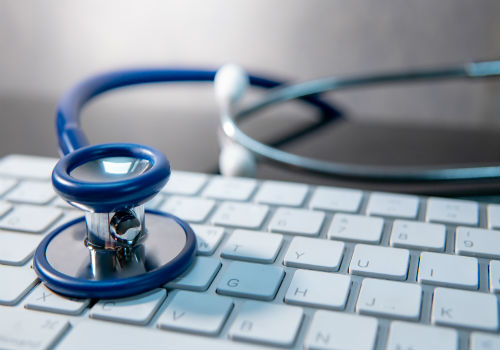
The role of medical computer carts in the emergency room has sped up the timing for the intake of patients, optimized the one-on-one time between doctors and patients, and reduced incidents of data entry errors. The benefits of medical computer carts in the ER are many, both for providers and patients.
1.) Access to patient records and test results
Gone are the days of flipping through charts and tracking down test results from different departments. Instead, patients’ records are readily available, including medical histories and prior visits. Doctors and nurses can use these records to make informed decisions about next steps in care and follow up on information with the patient in the same room.
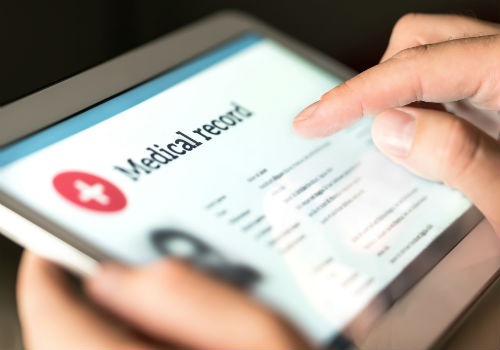
With access to test results, doctors can provide their patients with guidance on the spot. Being able to access multiple tests at the same time can also help doctors interpret the data in a more meaningful way and give their patients a plan of care with the patient’s input. Doctors can also utilize this time to schedule appointments with specialists, give referrals, and access additional information to provide the patient with insight into their condition and options.
2.) Minimizing errors
Not only have medical carts helped make accessing information more efficient, but they have also lowered the errors of data entry and prescriptions. When nurses and doctors can enter patient information on-the-spot, they are more likely to enter it accurately, rather than waiting until later on or after their shift is over.
Medical providers can enter data while the information is still fresh in their minds, and not when they have a large backlog of patients after a long shift. They also have the benefit of being able to double-check information with the patient in the room, further reducing potential entry errors.
In addition, while it has long been a joke amongst most doctors and their patients, poor handwriting on prescription pads has led to serious drug adverse events. When pharmacists cannot read the proper name or dosage of a drug, the likelihood of a patient receiving an incorrect medication rises. Medical computer carts in emergency rooms help to mitigate this risk by allowing doctors to send prescriptions to pharmacies in type, rather than handwriting.
3.) Optimizing time
The less time a medical provider has to spend entering data later means the more time they can spend listening to their patient and giving quality care. Doctors who spend more time with their patient leave their patients feeling more satisfied overall with their experience.
In an emergency room setting, doctors and nurses are usually always stretched to the limits of their time. With lots of patients coming in and minimal staffing, optimizing the little time a doctor has with their patient is a top priority. Doctors and nurses find this extra time by entering critical information into their computers while chatting with the patient and going over their records.
This also helps prevent doctors and nurses from rushing through their care of the patient because they know they have a mountain of paperwork ahead of them at the end of their shift. When doctors and nurses don’t have to wait for a computer out at the nurses’ station and can enter information as they go, there is less pressure of accumulating work.
Final thoughts
A medical workstation on wheels benefits both healthcare providers and patients, especially in a busy and often hectic emergency room environment. Doctors and nurses can access patient information on-the-go and spend more time with their patients than running down tasks and test results. Patient satisfaction with their overall care can be significantly increased with the widespread implementation of medical computer carts in hospital emergency rooms.


