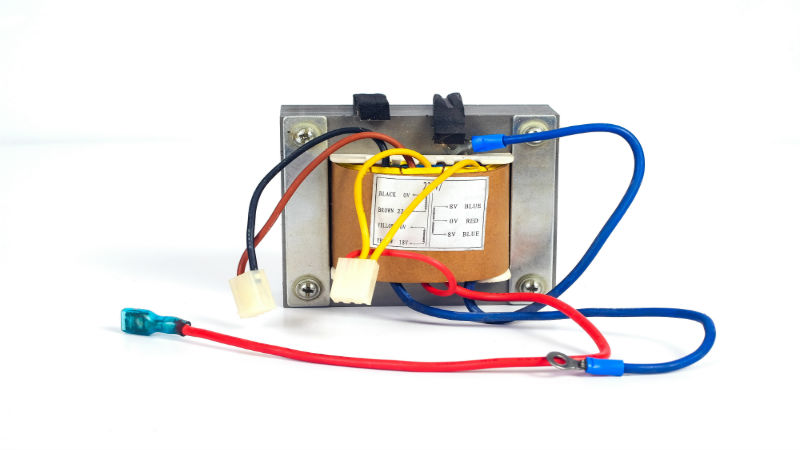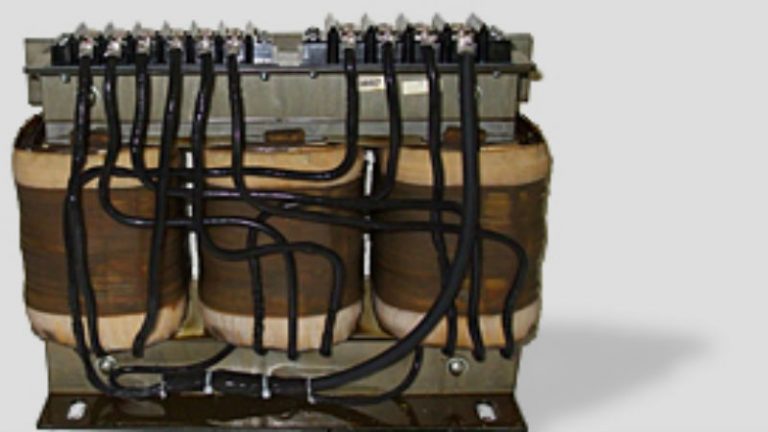
In larger electric systems, including heavier equipment, industrial applications, and in power systems, the choice of three phase transformers over single phase transformers is evident. These types of transformers are used at higher voltages than possible with a single phase transformer and provide a more efficient way to manage power than to use a series of transformers in other types of configurations.
To understand the additional benefits of these types of components, consider the following pros of all three phase transformers, including standard or off-the-shelf types of transformers, as well as those custom designed for a specific application.
Compact Size
The design of the three phase transformer means that three transformer components are linked together in series in one housing. In other words, the primary windings all connect, as do the secondary windings, which creates a more compact system. A common option to streamline the design is to use three different pairs of single phase windings that are all connected to one core.
The more compact size in the 3- phase transformer is ideal in most types of applications, with a lower total weight for the component also coming into consideration. The lower weight is directly related to the use of a smaller core and the smaller size of the design. This, in turn, also means a lower cost of production than linking multiple single phase transformers.
Functional Options
There are different designs possible with three phase transformers. This allows for various connections of the primary as well as the secondary windings. The choice of winding patterns and the connections allow for the transformer to be used to step up or step down the voltage.
The two most common connections used with these transformers are the Star (mesh) and Delta (Wye) connections. They can also be combined to create a Star-Delta or a Delta-Star connection for any given system or requirements.