While bus bar is not used in every type of electrical application, it is used in an increasing number for several very good reasons. In the past, copper was the alloy of choice for bus bar because of its light weight and good electrical conductivity.
Unfortunately, over the last couple of decades, the cost of copper has made it prohibitive for use in many large applications. At the same time, the use of aluminum bus bar has increased, but this is not just because of the lower cost of the material.
In fact, there are several very important reasons that most electrical contractors now choose aluminum bus bar over the traditional option of copper or the other options.
The Green Effect
The vast majority of the aluminum used today in any type of aluminum product is largely recycled material. With the increasing push for energy efficiency and LEED certified buildings, “green” building materials are in demand. As aluminum costs less to recycle than to manufacture from raw materials and because it can continue to be recycled, it uniquely fits the qualities for greener buildings.
Extrusion Possibilities
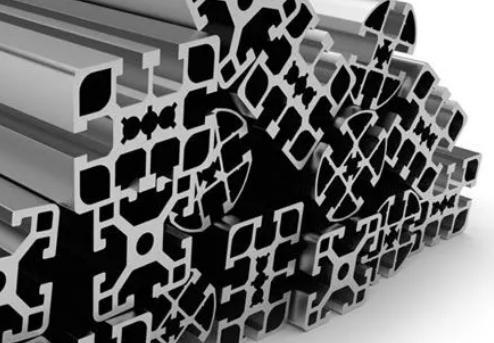
Aluminum is very easy to shape through extrusion. The highest cost in the process is creating the die, then the more that is extruded, the lower the cost of production. As it is so soft, the extrusion process is relatively quick and easy, even with more complicated bus bar shape requirements. This allows for the shape of the bus bar to provide a greater heat sink capacity, removing heat from the application while also being designed to increase air flow for further cooling capacity.
It is also a lightweight material, which means that it can be easily mounted in panels without the need for additional reinforcement and special construction. Cutting aluminum bus bar is also an easy process, making it an ideal material to work with in the field as well as in the shop.