Electrical power travels from large generators, through high tension wires, substations, and eventually makes its way to industrial, commercial, and residential customers. This power has many thousands of volts and too much for even most industrial facilities. To lower high-voltage AC electricity, you need three phase or single phase transformers. What is the difference? Here is information to help explain.
Residential Power
Most houses need about 110-120 volts of AC power. It is usually 7200 volts or higher. In most neighborhoods, single phase transformers serve several houses. These are those large things mounted high on utility poles with wires running to your home. You usually have three wires. Two are around 120-volts, and one is a neutral (grounded) conductor.
In 120-volt household circuits, the power flows from the hot conductor (red or black) to the ground (via a white neutral conductor). A green or bare wire grounds appliances for safety. 240-volt single phase appliances use two 120-volt lines (red and black). The two lines of power neutralize each other and make ungrounded circuits.
Commercial and Industrial Applications
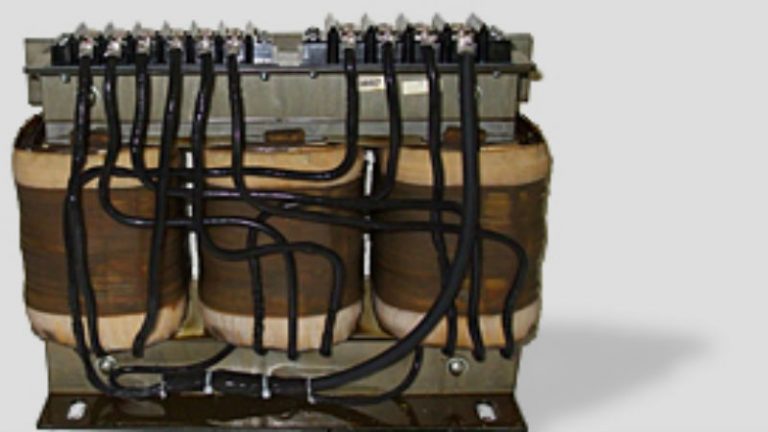
Because businesses and industrial facilities have larger needs for power, three phase transformers see a great deal of use. A typical transformer takes in high-voltage power and delivers three lower voltage power lines and one grounded conductor. Three phase power is typically 120/208 or 277/480 volts. These voltages can power industrial motors for many applications. Single phase power can come from these systems, but they may require single phase transformers to run lighting systems and other single phase applications within a commercial or industrial facility.
For three phase power, you can use a delta or “Y” configuration. Each one serves specific needs, and your transformer manufacturer can help you select the right equipment for your company. In fact, they can create custom transformers for your needs.