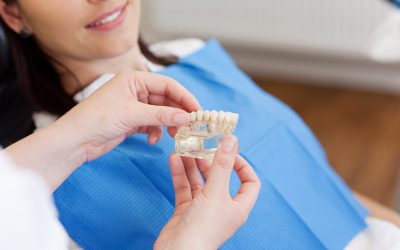
Excessive tooth decay can cause the pulp inside a tooth to become infected and this often leads to an abscess. When this occurs, a patient will experience severe pain in the tooth. To clear out the decay and infection in the tooth, a qualified dentist will perform a procedure called a Root Canal. To learn more about this dental procedure and how it’s done, read the questions and answers below.
Q.) What is the pulp of a tooth and how does it become infected due to tooth decay?
A.) The pulp is located inside the roots of each tooth and it’s made up of blood vessels, tissue and nerves. When a deep cavity forms in a tooth, bacteria can spread to the pulp. The bacteria from the decayed tooth can damage the nerves and the tissue inside the pulp, which lead to inflammation and infection. If the infection isn’t treated, the tooth will abscess and eventually the infection can spread to the bone around the tooth.
Q.) What are the signs that signify a person needs to have a root canal procedure done?
A.) In addition to severe pain in the infected tooth, a person may have swelling in the jaw or face. An individual may also have a small lump on the gums that’s sore. If the tooth becomes sensitive and painful when eating hot or cold foods, this is another sign of an infected pulp.
Q.) How does a dentist perform a root canal procedure?
A.) A dentist who specializes in performing a Root Canal uses a small drill to make an opening in the tooth that reaches down to the pulp. The decay and infection is cleaned out of the tooth and a disinfecting solution is forced down into the pulp. Next, the dentist places a rubbery material, called gutta percha, down into the pulp of the tooth and seals the top of the tooth with dental cement. A filling is temporarily placed in the opening until the patient has a permanent crown made to cover the tooth.
Individuals who are experiencing the symptoms listed above, should visit a dentist for an examination. Visit website domain to schedule an appointment for a root canal procedure or for general and cosmetic dentistry procedures.