While the material or fabric compatibilities may seem sometimes restrictive, fabricators turn to impulse sealing equipment because of its ability to perform to certain standards. The sealers are:
Easy to use
- Use less energy than other methods and equipment for the same purpose
- Are light weight
- Offer very high safety standards
- Are consistently reliable in their ability to produce
These are why using this method is becoming popular for the manufacturing of certain products for some specialized industrial concerns.
Applications
Impulse sealers are available for producing the desired product for several industries. The diverse sizes and ability to handle multiple applications makes them popular for the following manufacturing concerns:
- Apparel
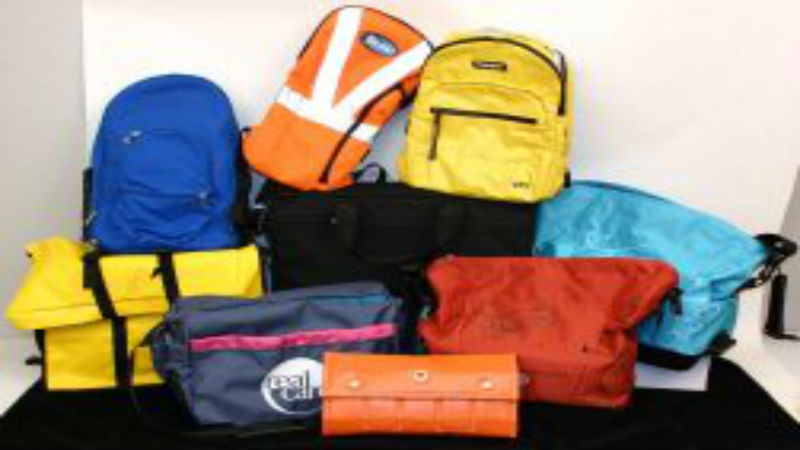
- Bags
- Construction
- Food packaging
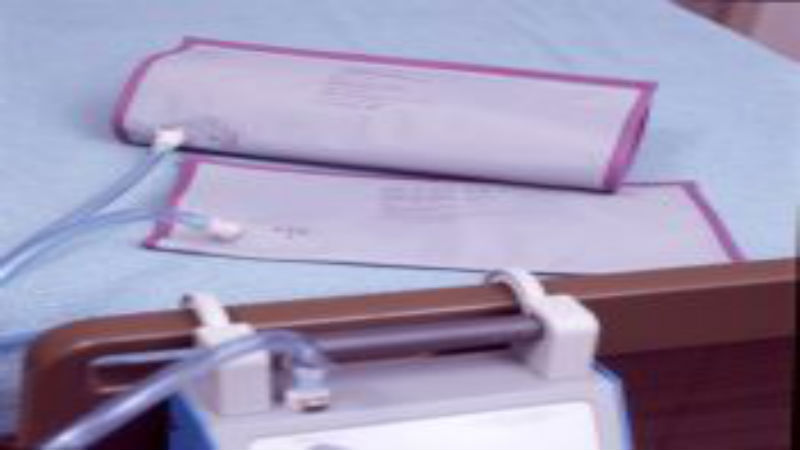
- Medical devices e.g. multi-layer oxygen barrier bags, medical fluid and specimen collection bags
- Pouches
- Tubes
If an operator is skilled and experienced, it is an easy matter to seal two thermoplastic materials of thin or thicker density to produce the required object. It is also essential for the operator to maintain the equipment to the proper standards ensuring, for example, the integrity of the Teflon tape covering the Nichrome wire. Specific areas of concern, often responsible for various errors in production are:
- Heating element
- PTFE adhesive
- PTFE cover
- Microswitch
- Mounting spring
- Timer
In addition, it is important for the operator to conserve proper machine calibration.
Impulse Sealing
Companies looking for a fast, easy and consistent method to quickly unite two or more pieces of thermoplastic films or fabrics can rely on an impulse sealer. Coming in different sizes and capable of handling different thickness, these machines help to produce various medical and safety equipment – both standard and custom. This accounts for the ongoing popularity of impulse sealing as a means of providing solutions for companies with complex and/or simple production problems.