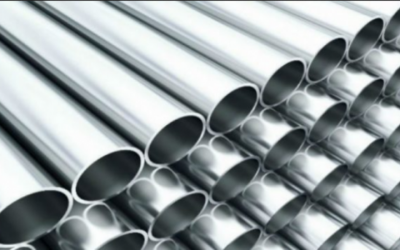
In the past, bus bar and connections across electrical or power systems were constructed out of copper. Copper has several advantages in that it is malleable, conductive and easy to use even in limited space types of locations.
However, there is one big drawback with copper, and that is the price. Not only is copper expensive to put in, but it is also one of the highest value recyclable metals. This often results in theft of components across systems that can result in system failures and a lot of additional costs.
Most electrical and power distribution systems, the aluminum bus bar is now the go-to product. Also lightweight and excellent at electrical conductivity, aluminum is also stronger than copper, providing some additional benefits without all the drawbacks.
What is Bus Bar?
While copper was often used in strips, the aluminum bus bar is more of a bar that is designed t be housed within panels, switches or other components in an electrical or power system.
The bus bar is used to move electricity or power as a conductor. It can be a single bar or a group of bars that moves energy into the panel or electrical or power junction from incoming feeds to be distributed to outgoing feeds. In this way it directs energy through the system, avoiding the need for multiple wire connections that are more likely to fail.
Shapes
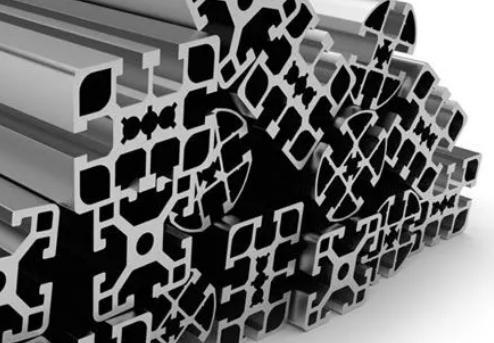
While most aluminum bus bar is going to be regular sections of bars, it can also be configured to a specific shape. This is ideal in unique configurations to save on space as well as create the connections required with minimal equipment.
In many essential applications, the use of the aluminum bar also allows for system redundancy to be built in, helping to prevent outages without adding significantly to the cost.