A child’s first dental visit is a significant milestone in their oral health journey. It can set the tone for how they feel about going to the dentist in the future. As a family dentist in Ahwatukee, AZ, it’s essential to make this first visit as positive and stress-free as possible. By understanding what will happen during this visit, you can ensure that your child is prepared and comfortable with their new routine.
Why is a Child’s First Dental Visit Important?
The first dental visit is crucial in helping your child develop healthy oral habits. It is recommended that children see a dentist by their first birthday, or as soon as their first tooth erupts. Early visits are essential for:
• Establishing a relationship with the dentist and dental staff
• Preventing early childhood cavities
• Educating parents on proper oral care for infants and toddlers
• Addressing any potential dental issues early on
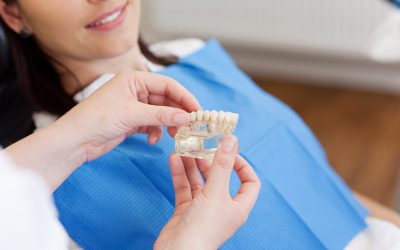
A general dentist will provide an age-appropriate examination and guidance to ensure your child’s teeth and gums are developing healthily.
What Happens During the First Dental Visit?
The first dental visit is typically short and designed to be a positive experience for your child. The dentist’s goal is not only to examine the child’s teeth but also to establish trust and comfort with the dentist and the environment. Here’s what you can expect during your child’s visit:
1. Introduction and Comfort
When you arrive at the dentist’s office, the staff will introduce themselves and make your child feel at ease. The family dentist may offer some fun activities to distract or engage your child, such as a coloring sheet or a small toy. This part of the visit helps alleviate any initial anxiety or fear.
2. Initial Examination
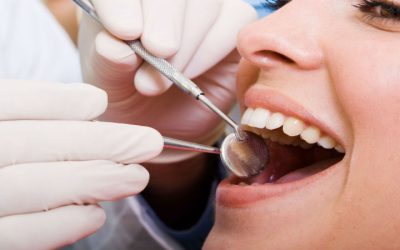
The dentist will perform a gentle examination of your child’s teeth and gums. This may include:
• Checking for any signs of tooth decay or gum issues
• Assessing how your child’s teeth are developing
• Checking for any potential bite problems or alignment issues
The dentist will also examine your child’s oral hygiene and offer tips on brushing and flossing techniques. The goal is to ensure that your child’s teeth and gums are healthy and developing normally.
3. Fluoride Application
If appropriate for your child’s age and dental needs, the dentist may apply a fluoride treatment to help protect the teeth from cavities. Fluoride helps strengthen tooth enamel and can be especially helpful for children who are more prone to cavities.
4. Education for Parents
The dentist will take the time to educate parents about how to care for their child’s teeth and gums. This may include:
• Proper brushing and flossing techniques for children
• Information on pacifiers and thumb-sucking
• How to prevent early childhood cavities
• When to begin using toothpaste and how much to use
This is a great time to ask the dentist any questions about your child’s oral health or about specific dental concerns you may have.
How to Prepare Your Child for Their First Dental Visit
Preparing your child for their first visit to the dentist can make a big difference in how they perceive the experience. Here are some tips to help make the visit a success:
• Use Positive Language: Avoid using words like “pain,” “needle,” or “drill.” Instead, talk about the visit as a fun and exciting experience.
• Read Books or Watch Videos: There are many children’s books and videos that explain what happens at the dentist in a fun, non-threatening way.
• Practice Good Oral Hygiene: Make brushing teeth fun at home, so your child feels more comfortable with the dentist checking their teeth.
• Be Calm and Supportive: Children often take cues from their parents. If you show calmness and positivity, your child is more likely to feel comfortable as well.
How Can Regular Dental Visits Benefit Your Child?
Early and regular dental visits help ensure that any issues with your child’s teeth are caught early. Some of the long-term benefits of starting dental visits early include:
• Establishing a foundation for good oral health habits
• Preventing tooth decay and cavities
• Monitoring tooth development to address any misalignment or bite issues
• Reducing the chances of dental anxiety later in life
A family dentist will guide you through each stage of your child’s oral health, making sure they grow up with a healthy smile.
How Often Should My Child Visit the Dentist?
After the first dental visit, your child should continue to visit the dentist regularly. Typically, it’s recommended that children see the dentist every six months for routine checkups and cleanings. These visits help keep their teeth healthy and provide an opportunity to catch any problems early on.
If your child has a higher risk of dental issues, such as frequent cavities, they may need to visit more often. A dentist near me will offer personalized recommendations based on your child’s needs.
What If My Child Is Nervous About the Dentist?
It’s normal for children to feel anxious or nervous about their first dental visit. However, a family dentist understands how to work with children and can make the experience more comfortable.
Here are some ways a dentist can help:
• Friendly, non-threatening environment: The office will be designed with children in mind, with bright colors and welcoming staff.
• Gentle approach: The dentist will use a soft and calm approach, explaining everything in simple terms to keep your child informed and at ease.
• Positive reinforcement: After the visit, your child may receive a sticker or small toy as a reward for being brave.
Schedule Your Child’s First Dental Visit Today!
If your child hasn’t had their first dental visit yet, now is the perfect time to schedule an appointment. Early dental visits set the stage for a lifetime of healthy smiles and good oral hygiene habits.
To ensure your child’s dental health is off to a great start, make an appointment with Warner Village Cosmetic & Family Dentistry today and learn about the importance of dental exams. Regular visits help catch potential issues early and promote healthy, happy smiles for years to come.