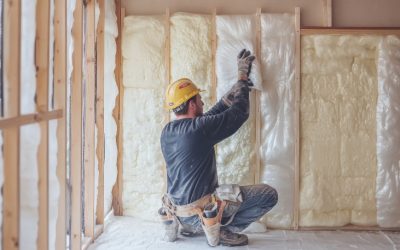
Ceiling repairs often focus on what can be seen from inside a room: damaged drywall, cracks, stains, or a section removed to reach wiring or plumbing. However, when the ceiling sits directly below an attic, the work may also affect the loose-fill insulation resting above the drywall.
Blown-in attic insulation can shift, fall through an opening, or become compressed while repairs are underway. Even after the ceiling looks complete from below, the insulation above it may no longer provide consistent coverage. Phoenix homeowners can avoid overlooking this issue by considering the attic before, during, and after the repair.
Why Is Insulation Affected When Drywall Is Removed?
In many homes, loose-fill fiberglass or cellulose rests directly on the back of the ceiling drywall. When a damaged panel is cut or removed, the insulation above it may fall into the room unless it is contained first.
Material surrounding the opening can also shift toward the exposed area. The amount displaced depends on the size of the repair, the depth of the insulation, and how carefully the ceiling is opened.
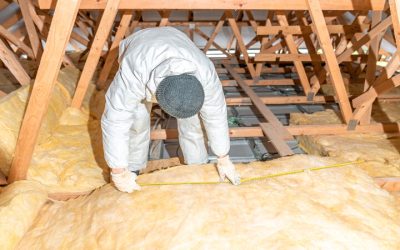
Workers may need attic access to identify framing, inspect the source of the damage, or prepare the area for new drywall. Movement across the attic can create additional compressed or uneven sections beyond the repair itself.
Which Ceiling Repairs Can Disturb Blown-In Insulation?
A small surface patch may have little effect on the attic. More extensive work creates a greater chance of disturbing the insulation above the ceiling.
Common situations include:
- Replacing drywall after a plumbing leak
- Opening the ceiling to reach electrical wiring
- Repairing damage around a light fixture or ceiling fan
- Removing stained or sagging drywall
- Correcting cracks near ceiling joints
- Replacing a large section after roof-related water intrusion
- Creating access for mechanical or structural repairs
The visible size of the damaged area does not always show how much insulation has been affected. Material may shift several inches beyond the edge of the drywall opening.
What Happens to the Loose-Fill Material?
Blown-in attic insulation is designed to form a continuous layer across the attic floor. Ceiling work can interrupt that layer in several ways.
Some insulation may fall out when the drywall is removed. Nearby material may slide into the opening, leaving shallower coverage around its perimeter. Workers may also move the insulation aside from above so they can reach joists, wires, pipes, or the damaged ceiling panel.
If boards, tools, or equipment are placed on the loose-fill material, it may become compressed. Fibers can also become mixed with drywall dust, wood fragments, or material associated with the original damage.
These changes may be difficult to identify from the room below once new drywall is installed.
The Cause of the Damage Should Come First
Insulation should not be restored until the cause of the ceiling damage has been identified and corrected. Covering the area too early may hide an active leak or another unresolved condition.
Water stains, soft drywall, peeling paint, and sagging areas may be connected to roof leaks, plumbing problems, condensation, or improperly directed exhaust air. If insulation became wet, it should be evaluated rather than automatically returned to the repaired area.
Electrical and structural concerns should also be resolved before the ceiling cavity is closed. The goal is to avoid completing a cosmetic repair while leaving the original problem above it.
What Should Be Checked Before Installing New Drywall?
Once the damaged section has been removed, the exposed area offers a useful opportunity to inspect the space above the ceiling. Accessible framing, wiring, pipes, and nearby materials can be checked before they are concealed again.
Homeowners and contractors should look for:
- Damp or stained insulation
- Wet or discolored framing
- Damaged wiring
- Plumbing connections near the repair
- Signs of repeated leakage
- Debris mixed into the insulation
- Gaps around ceiling penetrations
- Material that has shifted away from nearby areas
If the insulation must be temporarily removed, keeping clean and dry material separate from contaminated debris can make the next steps easier.
What Should Happen After the Ceiling Is Closed?
After the new drywall is secured, the insulation above the repair should be reviewed from the attic whenever safe access is available. The repaired section may be completely bare, even if the surrounding attic still appears well insulated.
Any reusable material should be returned evenly without blocking ventilation or covering components that require access or clearance. If part of the insulation was lost during removal, additional material may be required to match the surrounding coverage.
The inspection should extend beyond the exact footprint of the new drywall. Loose-fill insulation near the edges may have shifted, while paths used by workers may remain compressed.
When Is a Professional Evaluation Helpful?
A professional evaluation may be appropriate when a large ceiling section was removed, insulation became wet, or the affected area is difficult to reach safely. It can also help when homeowners are unsure how much material was lost or whether the surrounding coverage remains consistent.
Experienced blow in attic insulation contractors can examine the affected area, identify thin sections, and determine whether existing material can be redistributed or additional insulation is appropriate.
An evaluation does not mean that every ceiling repair requires a complete insulation project. In many cases, the concern is limited to restoring a relatively small area correctly.
Plan for the Space Above the Ceiling
A repaired ceiling may look smooth and complete from inside the home while still having an insulation gap above it. Including attic insulation in the repair plan helps ensure that both the visible surface and the thermal layer are addressed.
Before finishing the project, Phoenix homeowners should confirm that the source of the damage has been corrected, affected insulation remains clean and dry, and coverage has been restored above the new drywall. This final check can prevent a small ceiling repair from leaving an overlooked weak point in the attic.