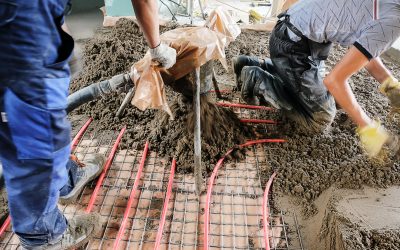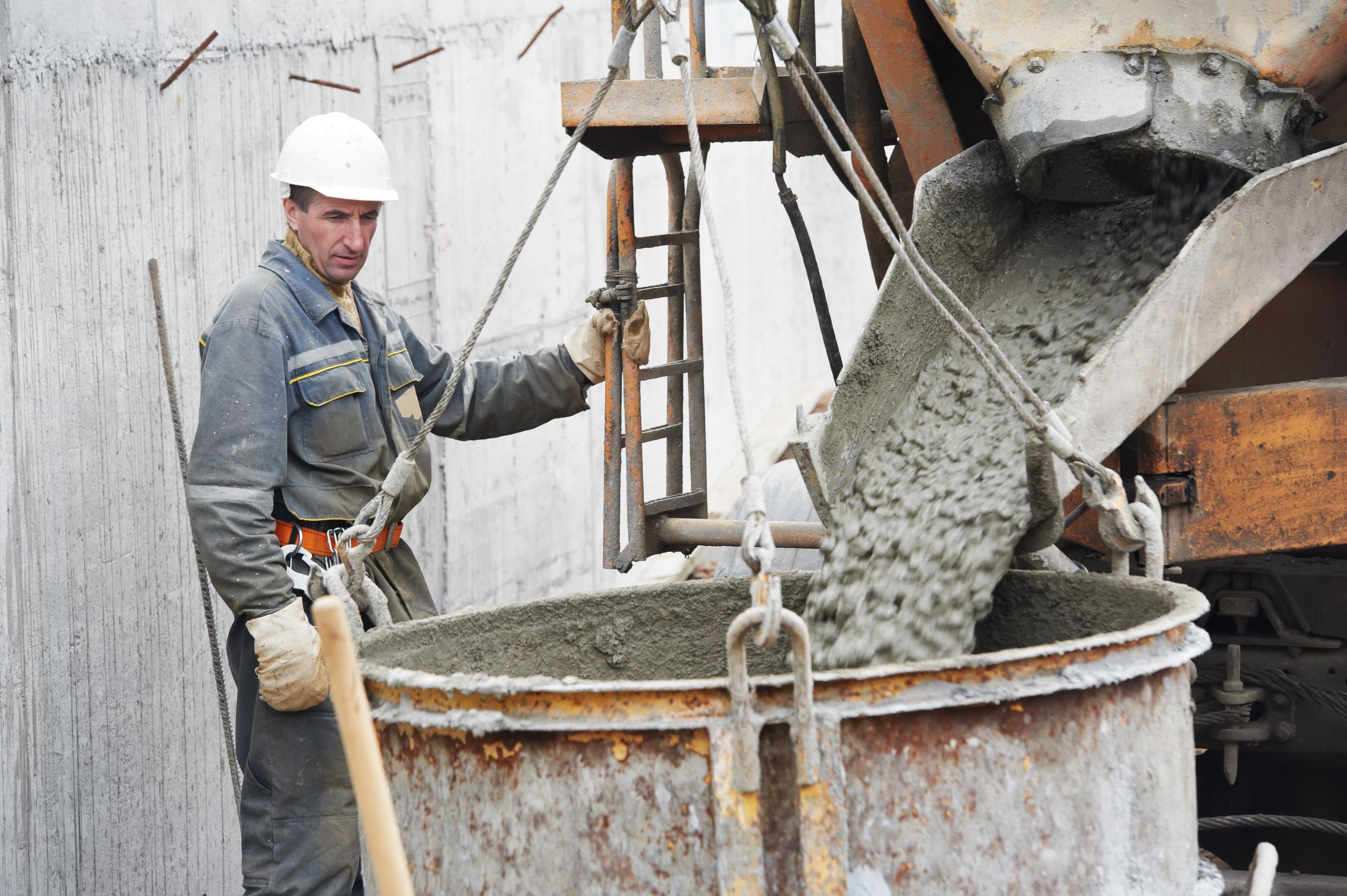
Denton property owners dealing with cracked or uneven concrete have more options than full slab replacement. The right repair method depends on the type of damage, its underlying cause, and where on your property it appears.
Why Denton Properties Are Especially Prone to Concrete Damage
The ground beneath Denton is a primary culprit. North Texas sits on expansive clay soil that swells and shrinks with the weather, leaving voids that sink driveways, crack sidewalks, and shift foundations. These soil conditions are one of the main reasons property owners may need concrete repair in Denton TX. This isn’t a minor seasonal inconvenience. Expansive soils, which shrink and swell due to changes in moisture content, are a very common cause of foundation problems, and according to the American Society of Civil Engineers, they continue to damage commercial and residential structures across the United States.
The USDA Web Soil Survey documents shrink-swell soil ratings across Texas parcels, giving property owners and contractors a free tool to understand site-specific risk before any repair work begins.
Over time, Denton properties experience soil shifting and erosion, extreme weather cycles, tree root intrusion, and water damage from freeze-thaw cycles. These issues lead to cracking, spalling, and surface crumbling, especially on driveways and foundations. Left unaddressed, the damage compounds quickly.
Common Concrete Repair Services for Denton Homes and Businesses
Repair needs in Denton typically span several surface types, including driveway concrete repair, sidewalk and walkway crack repair, concrete slab repair, concrete patio restoration, foundation crack repair, and pool deck concrete repair. Choosing the right fix starts with understanding the damage category.
| Damage Type | Likely Cause | Typical Repair Method |
|---|---|---|
| Surface crumbling or spalling | Freeze-thaw cycles, age | Patching compounds, resurfacing |
| Sunken or uneven slabs | Soil voids, erosion | Polyurethane foam injection |
| Structural cracks | Soil movement, settlement | Crack injection, slab stabilization |
| Foundation cracks | Differential clay movement | Structural crack injection |
The best method depends on the damage. For surface crumbling, resurfacing and patching compounds work well. For deeper issues, structural crack injection or slab replacement may be needed.
Polyurethane foam injection has become a preferred technique for sunken slabs. Concrete leveling raises and stabilizes an existing slab instead of removing it. Contractors lift sunken sections back to grade using polyurethane foam injection, usually in a single visit. The process is minimally invasive: small ports are drilled into the slab, then expanding polyurethane foam is injected to fill voids, compact loose soil, and handle concrete lifting within minutes.
Repair vs. Replacement: How to Decide
One of the most practical questions Denton property owners ask is whether a slab can be saved or needs to come out entirely. In many cases, cracked or uneven concrete can be repaired with foam injection, patching, or crack sealants without removing or replacing the entire slab.
In many cases, concrete can be restored for a fraction of the cost and disruption of replacement. That said, some situations do require more involved work. If you see long horizontal cracks, water seepage, or uneven floors, you likely need foundation crack repair. These signs often point to shifting soil or settlement, which is addressed using structural crack injection or slab stabilization.
A few warning signs that repair is overdue:
- Trip hazards on walkways or driveways
- Water pooling in low spots after rain
- Visible gaps between the slab and adjacent surfaces
- Spalling that exposes aggregate or reinforcement steel
Spalling weakens the surface and can expose steel reinforcements to moisture, leading to corrosion. Acting early keeps repair costs lower and prevents safety liabilities.
Frequently Asked Questions
How long does a concrete repair take in Denton? Most small to medium repairs are completed in one to two days. Larger structural repairs may take longer depending on weather and drying time.
Does repaired concrete come with a warranty? Yes. Reputable contractors stand behind their work with limited warranties and long-lasting results.
Can I get an estimate before committing? Free estimates are available so you know exactly what to expect. On-site assessments allow technicians to recommend the most appropriate method for the specific damage present.
What maintenance helps prevent future concrete damage? Proper drainage, sealing, and regular maintenance help prevent concrete erosion. Protective coatings and grading improvements can redirect water away from vulnerable areas.
Finding the Right Concrete Repair Contractor in Denton
When evaluating contractors, look for transparent pricing, warrantied work, and direct experience with North Texas soil conditions. Key differentiators include expertise that shows in every job, locally owned and operated status, affordable and transparent pricing, fast turnaround with minimal disruption, and warrantied work.
Level King Concrete Repair serves Denton as part of its broader North Texas service area, offering concrete repair, leveling, lifting, and foam injection for both residential and commercial properties. Every crew member is polyurethane foam certified, and every quote is the number you actually pay. Getting a professional assessment is the most reliable first step toward restoring your concrete safely and cost-effectively.