Summary:
- Verify licensing, insurance, and local experience before hiring a commercial roofing contractor in Columbus, Ohio.
- Compare materials (TPO, EPDM, modified bitumen) and ask for a written scope covering repair versus full replacement.
- Confirm fall-protection compliance and warranty terms, since federal standards affect how work is performed on low-slope roofs.
A reliable commercial roofing contractor is one that is licensed, insured, experienced with low-slope and flat roof systems common on commercial buildings, and willing to provide a written inspection report and itemized estimate before any work begins. Business owners who skip this verification step often end up paying twice: once for a rushed repair and again for the replacement that follows.
Building owners researching Commercial Roofing Columbus OH typically face one of three situations: a visible leak that needs urgent attention, an aging roof nearing the end of its service life, or a planned renovation that includes a new roof system. Each scenario requires a different approach, from professional inspections and targeted repairs to complete roof replacement. Choosing the right contractor helps ensure the recommended solution addresses the building’s specific needs while protecting its long-term value and structural integrity.
What Separates a Dependable Contractor From the Rest
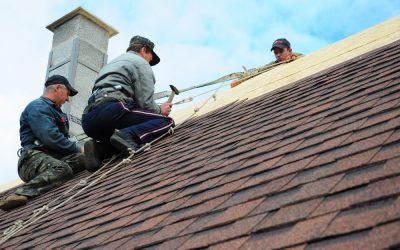
Commercial roofs carry different risks than residential ones, including larger surface areas, rooftop equipment, and stricter safety requirements for workers. A contractor working on a low-slope commercial roof must follow federal fall-protection rules, since commercial roofing activities fall under OSHA’s construction standard with a six-foot trigger height, meaning guardrails, safety nets, or personal fall arrest systems are required once workers are exposed at that height.
Before signing a contract, ask these questions:
- Does the company carry current general liability and workers’ compensation coverage.
- How many years has the crew worked specifically on commercial, low-slope systems.
- Will the estimate include manufacturer warranty details in writing.
- Can they provide references from other commercial properties in the area.
Comparing Common Commercial Roofing Materials
Flat and low-slope commercial buildings in central Ohio are typically roofed with one of a few membrane systems, each with different cost, lifespan, and maintenance tradeoffs.
| Material | Best For | Maintenance Needs |
| TPO | Energy efficiency, reflective surfaces | Low; periodic seam checks |
| EPDM (rubber) | Budget-conscious, proven durability | Moderate; seam and flashing checks |
| Modified Bitumen | Heavier traffic or equipment loads | Moderate to higher; recoating over time |
A contractor familiar with all three systems can recommend the option that fits your building’s age, slope, and rooftop equipment rather than defaulting to whatever material is easiest to source that week.
Repair, Restoration, or Full Replacement
Not every roofing problem requires a full tear-off. A thorough inspection should identify whether the issue is isolated or systemic before a contractor recommends replacement.
- Minor leaks or flashing failures usually call for targeted repair.
- Widespread membrane wear, ponding water, or recurring leaks often point toward restoration or partial replacement.
- Roofs past their expected service life, especially those with structural deck issues, typically need full replacement.
This business has operated in the Columbus area since 1985 and works on both repair and installation projects for commercial properties, offering a reference point for the kind of long-standing local experience worth looking for in any contractor you evaluate.
Questions Columbus Business Owners Commonly Ask
How often should a commercial roof be inspected? Most facility managers schedule inspections at least twice a year, plus after major storms, to catch membrane wear or flashing issues before they become leaks.
What is the typical lifespan of a commercial flat roof? Lifespan varies by material and maintenance, with EPDM, TPO, and modified bitumen systems generally lasting many years when properly installed and inspected.
Does commercial roofing require special safety measures? Yes. Low-slope commercial roofs are subject to federal fall-protection requirements, and contractors should have documented safety practices for any work performed at height.
Should I get more than one estimate? Comparing two or three written estimates helps confirm fair pricing and lets you compare warranty terms, materials, and project timelines side by side.
Choosing a commercial roofing contractor comes down to verifying credentials, understanding the material options suited to your building, and confirming that safety and warranty practices are documented rather than assumed. Columbus property owners who take these steps before signing a contract are better positioned to avoid costly surprises later. For a company with decades of local experience handling commercial roof repair and installation, Allied Roofing Inc. is based at 1960 Integrity Dr S in Columbus and can be reached to discuss an inspection or estimate for your property.