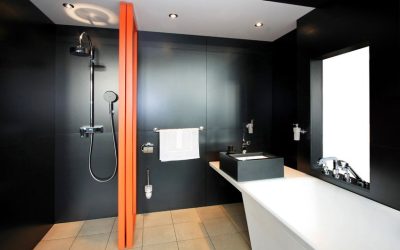
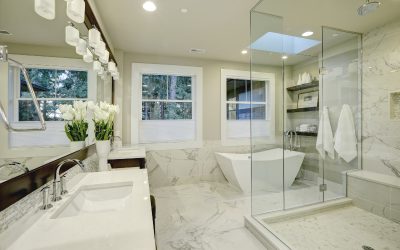
A bathroom should feel comfortable and look inviting, but it also needs to work safely for everyone who uses it. Whether you’re updating a dated space or planning for changing mobility needs, thoughtful improvements can address both priorities. If you’re comparing local options online, searching for Bathroom renovations West Allis can help you begin exploring services and ideas for your project.
Start with safety and everyday needs
Before choosing finishes, consider how the bathroom functions now—and what might make it more useful in the years ahead. Pay attention to slippery flooring, awkward thresholds, poor lighting, and fixtures that are difficult to reach. A short list of daily frustrations helps guide decisions and keeps the project focused on practical benefits.
Slip-resistant flooring can improve footing, while a low-threshold shower makes entry easier. Strategically placed grab bars provide support near the shower or toilet; they should be securely anchored to suitable framing rather than attached only to drywall. A handheld showerhead, accessible shelving, and a comfortable-height vanity can also make routine tasks simpler. For households with children, older adults, or visitors, these features can make the room more welcoming without making it feel clinical.
Lighting deserves special attention. Combine general illumination with task lighting near the mirror, and consider night lighting to make nighttime trips safer. If you’re changing the layout, discuss ventilation as well. A properly sized, vented exhaust fan helps manage moisture, which can protect finishes and discourage mold growth.
Choose a style that lasts
A safer bathroom can still feel polished and personal. Begin with a simple palette, then add visual interest through tile patterns, fixtures, hardware, or paint. Coordinating finishes can make the room feel intentional, while a contrasting floor or wall can help define different areas.
For a timeless foundation, consider durable surfaces and classic colors that won’t feel dated quickly. Porcelain tile, quality waterproof materials, and easy-to-clean counters can stand up to daily use. If the room is small, lighter colors, a large mirror, and clear glass can make it feel more open. Storage also matters: recessed niches, vanity drawers, and well-planned cabinets keep everyday items organized and reduce clutter.
Plan the project before work begins
Set priorities and establish a realistic budget before selecting products. Include a contingency for hidden issues, especially in older homes where plumbing, wiring, or water damage may not be apparent until demolition. Confirm which improvements are essential and which can be postponed if costs change.
Measure the room and note the location of plumbing, windows, doors, and outlets. Keeping existing plumbing locations may help control costs, while moving fixtures can create a better layout but may require additional work. Ask about permits, project timing, dust control, waterproofing, and cleanup before construction starts. Written estimates should clearly describe materials, labor, and what is excluded, making it easier to compare proposals fairly.
A well-planned bathroom update balances safe movement, moisture protection, convenient storage, and a style that suits your home. By identifying daily needs, choosing durable materials, and clarifying the project scope in advance, you can create a room that feels more comfortable now and remains practical over time.