Short version:
- Certified mold removal addresses both visible mold and the moisture source that caused it, which prevents regrowth.
- Professional help is recommended once contamination covers more than 10 square feet, per EPA guidance.
- Homes in Carrollton, TX face humidity and seasonal rain patterns that make moisture control an ongoing concern.
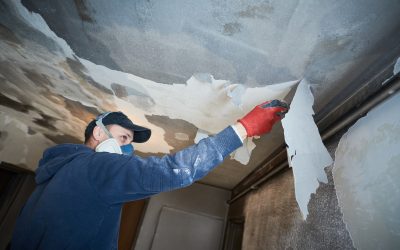
Certified Mold Removal Services in Carrollton, TX combine trained labor, containment equipment, and documented verification steps to remove mold safely and keep it from returning. Certification matters because improper removal can spread spores into unaffected areas or leave hidden moisture that can trigger a repeat problem within weeks.
Homeowners searching for answers after discovering mold usually want to know two things: whether the situation is serious enough to need a professional, and what a proper remediation process actually involves. Both questions have straightforward answers once the scope of contamination and the underlying moisture issue are understood.
When Mold Becomes a Job for Professionals
Not every mold spot requires a specialist. Federal guidance offers a size-based threshold that helps homeowners decide.
- Small areas, roughly under 10 square feet, are often manageable with basic cleaning and protective gear.
- Larger or recurring contamination typically needs trained personnel and containment.
- Mold tied to contaminated water, sewage backups, or HVAC systems should always be handled by a qualified remediation professional.
According to the EPA’s mold remediation guidance, hiring experienced professionals becomes important for large or complex jobs because containment and personal protective equipment requirements increase significantly at that scale. The agency also notes that remediation plans should follow established protocols rather than ad hoc cleanup methods.
For residents of Carrollton, TX, humidity swings between seasons and occasional heavy rainfall can create the kind of persistent moisture that pushes a small mold spot past that 10-square-foot mark before it is even noticed, particularly in attics, crawl spaces, or behind drywall.
What a Certified Process Actually Involves
A properly managed remediation job follows a sequence rather than a single cleaning step. Skipping any part of the sequence is the most common reason mold returns.
- Source identification — locating and fixing the active water intrusion or excess humidity before any physical cleanup starts.
- Containment — sealing off the work area with barriers and negative air pressure for larger contaminated zones.
- Physical removal — cleaning or removing affected materials based on how porous they are and how extensive the contamination is.
- Verification — a visual inspection, and sometimes air or surface sampling, to confirm the area is clear before reoccupying the space.
This structure reflects the same framework described in EPA mold remediation guidelines, which stress that moisture control has to happen first or the remediation effort will fail regardless of how thoroughly the visible mold was cleaned.
DIY Cleanup vs. Certified Remediation
| Factor | DIY Cleanup | Certified Remediation |
| Typical scope | Under 10 sq ft, isolated spot | Over 10 sq ft, recurring, or HVAC-related |
| Equipment | Gloves, N95 mask, detergent | Containment barriers, air scrubbers, moisture meters |
| Verification | Visual check only | Post-remediation inspection, sometimes sampling |
| Risk if done wrong | Spores spread to new areas | Lower risk due to containment protocols |
Why Moisture Control Comes First
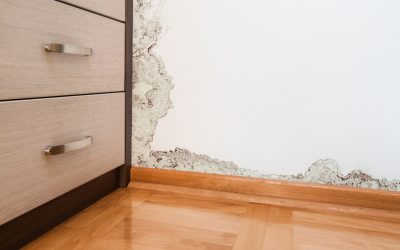
Mold removal that ignores the moisture source is temporary at best. Even a thorough cleaning will not stop regrowth if humidity, a slow leak, or poor drainage continues feeding the problem.
- Wet materials should be dried within 24 to 48 hours to limit mold colonization.
- Surface treatments like paint or caulk over mold are not a fix, since the growth typically returns underneath.
- Post-remediation checks help confirm that both the visible mold and the moisture condition have actually been resolved.
Homes in Carrollton, TX with crawl spaces or older plumbing are particularly prone to slow leaks that go unnoticed until mold appears, which is why addressing the water source is treated as the first step rather than an afterthought in any certified process.
Frequently Asked Questions
Does mold removal always require a licensed contractor? No single federal license governs mold remediation, but guidance strongly recommends professional help once contamination is extensive, tied to contaminated water, or involves HVAC systems.
How quickly does mold grow after water damage? Mold can begin colonizing wet materials within roughly 24 to 48 hours, which is why fast drying is emphasized in nearly every remediation guideline.
Is mold testing required before or after remediation? Testing is not mandatory, but visual inspection and sometimes air or surface sampling are used afterward to confirm the area has been properly cleared.
Can painting over mold solve the problem? No. Painting or caulking over mold only hides it temporarily; the growth typically continues beneath the surface since the moisture issue has not been addressed.
Local Service Information
Based in Lewisville, TX, Hands & Hammers Restoration Services serves customers across Carrollton, TX.
Property owners researching options can review published details through Visit Hands & Hammers Restoration Services Website for additional context on local service coverage.