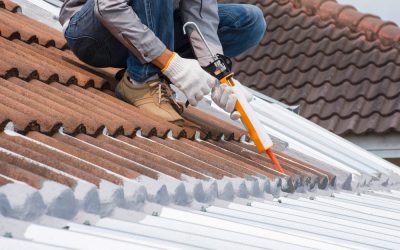
When you think of a roof, you probably think of a structure that will shelter you from the elements, like rain, snow, hail, and more. It goes without saying then that it’s crucial to invest in good waterproofing. Roof maintenance is very important, but investing in the right material from the get-go is just as important. One of the newest methods for ensuring that your home stays dry is, ironically, water! Fluid applied waterproofing and the field of liquid roofing is changing the game for homeowners all over the country.
What is It?
The fluid applied waterproofing roof method, also referred to as liquid roofing, is used both commercially and residentially. The process is done simply by applying a specialty roof coating that comes in a can, similar to spray paint. This process can be done on all roofs, regardless of the pitch or size. Even better is that waterproof roofing creates a coating with elastic properties, meaning the coating can change shape and shift with your roof as it ages instead of cracking under pressure. The coating will also protect your roof and its underlying structure from rain, UV light, and any other sort of physical damage weather can cause.
Where Did It Get Started?
Even though this “roof in a can” technology seems pretty advanced, liquid roofing has actually been around since the early 1800s, when tradesmen combined bitumen with straw, rag felt, and other materials in hopes of waterproofing roofs. The process began to spread in the 20th century. By the 1960s, acrylic was introduced as a roofing solution. After some reformulation and experimentation, this has led us to our modern liquid waterproofing.
Is It Safe?
Liquid waterproofing is actually one of the safest processes around. This process doesn’t involve any sort of hot works, which can be extremely dangerous for those working on the roof and those in the building being worked. Liquid roofing effectively eliminates that fire hazard. Liquid roofing is also great for older buildings that contain asbestos, as the liquid coating encapsulates the surface beneath it. This is very important for containing asbestos during the removal process.