Fleas are a persistent challenge for Australian households, particularly those with cats and dogs. These tiny insects reproduce with remarkable speed a single female can lay dozens of eggs per day and their life cycle means that the adult fleas visible on pets represent only a small fraction of the total flea population in an affected home. Eggs, larvae, and pupae distributed throughout carpets, bedding, furniture, and floor crevices ensure that treating only the pets themselves provides temporary relief at best. Effective flea treatment addresses the entire household environment.
Australia’s warm climate in many regions extends the flea season well beyond the brief windows that households in colder climates experience. In subtropical and tropical areas, fleas can remain active and reproductive year-round. Understanding this reality shapes the most effective approaches to both treatment and ongoing prevention.
Understanding the Flea Life Cycle
Effective flea management requires treating all life stages simultaneously, which demands understanding where each stage occurs:
- Eggs: Laid on the pet but rapidly falling to the floor, eggs accumulate in the environments where pets spend the most time favourite sleeping spots, commonly used furniture, and high-traffic floor areas.
- Larvae: Emerging from eggs, larvae avoid light and burrow into carpet fibers, floor crevices, and upholstery locations where chemical treatments often reach them less effectively than adult stages.
- Pupae: Encased in sticky cocoons that adhere to fibers and debris, pupae are highly resistant to insecticides. Vibration from activity in the home triggers adult emergence.
- Adults: The stage visible on pets and occasionally biting humans. Adults actively seek blood meals and lay eggs continuously, perpetuating the cycle.
Comprehensive Treatment Approaches
- On-Pet Treatment: Veterinarian-recommended topical treatments, oral medications, or collars kill adult fleas on pets promptly. Product selection should be guided by the pet’s species, age, and health status.
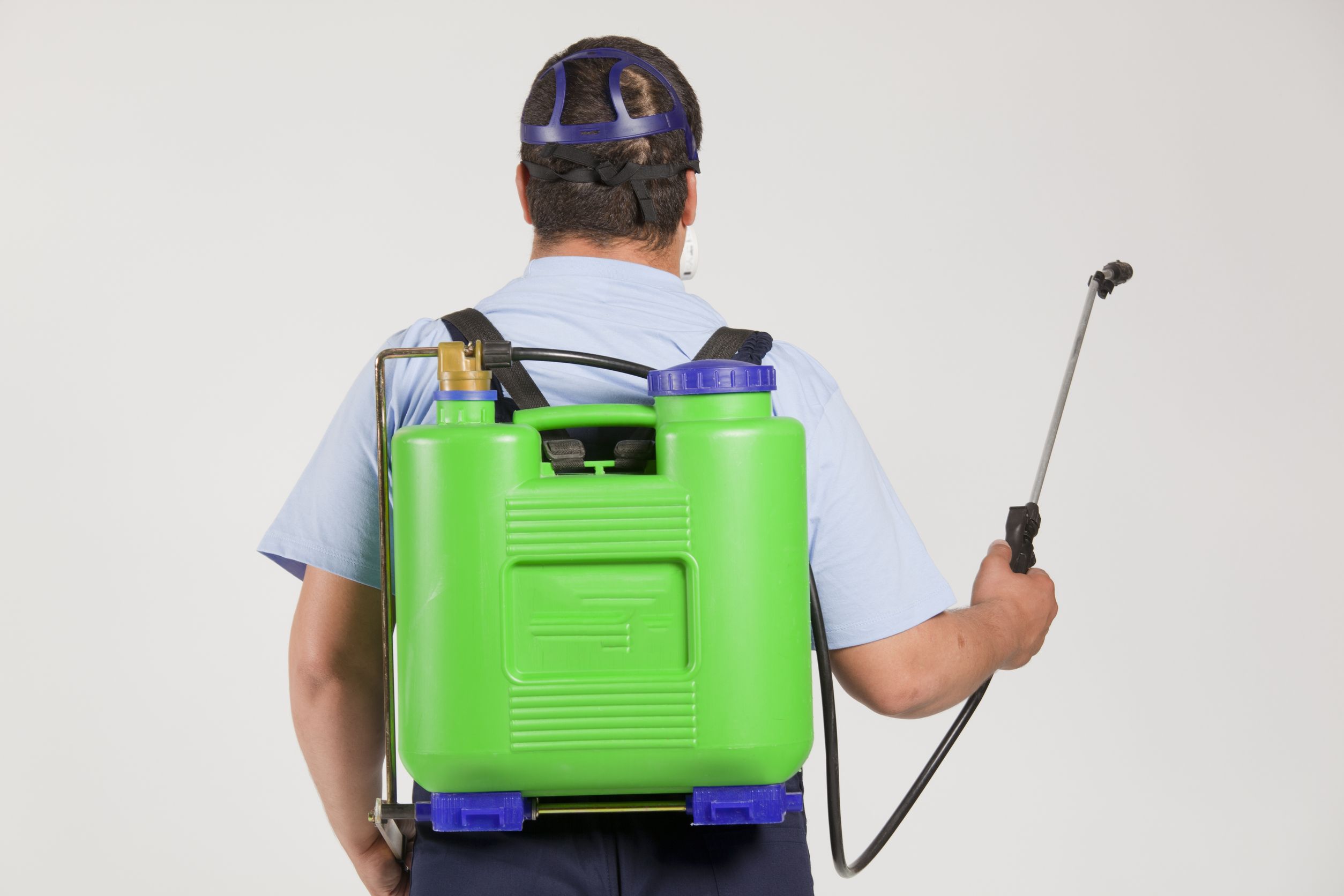
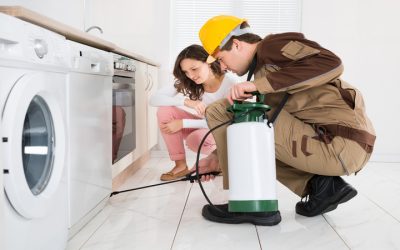
- Environmental Treatment: Professional or thorough DIY treatment of all carpeted areas, upholstery, pet bedding, and floor surfaces with products that address multiple life stages including insect growth regulators that prevent larvae from maturing.
- Outdoor Areas: Yards, particularly shaded areas and spots where pets rest, should be treated to eliminate outdoor flea populations that continuously re-infest pets.
- Thorough Vacuuming: Vacuuming before and after chemical treatment removes debris, stimulates pupal emergence, and mechanically removes eggs and larvae. Vacuum bags should be sealed and disposed of immediately.
Preventing Recurrence
Sustaining flea control requires consistent ongoing effort. Year-round on-pet prevention regardless of season in warmer Australian regions is the most effective single measure. Regular vacuuming of pet-frequented areas removes developing flea populations before they mature. Washing pet bedding frequently in hot water eliminates eggs and larvae. Annual professional treatment of indoor environments disrupts any population buildup before it becomes apparent.
Lasting Relief Through Complete Flea Control
In conclusion, effective flea treatment requires a comprehensive approach that targets every stage of the flea life cycle not just the visible adults. By combining on-pet care, thorough environmental treatment, and consistent prevention practices, households can break the cycle and maintain a comfortable, pest-free environment. With trusted expertise from Flick Pest Control, Australian families can rely on proven solutions and professional support to eliminate infestations efficiently and protect both their homes and pets from recurring issues.