Installing plastic or metal cable tie mounts on wood or other types of soft surfaces is easy. They can be attached with screws or bolts, or they can even be attached with adhesives for lightweight cables that are not exposed to any type of movement or vibration.
When it comes to installing metal cable tie bases on melt surfaces, the process becomes much more challenging. Adhesives often don’t last in these types of environments. The time it takes to drill, insert a fastener and tighten adds time to this simple task if it can be done at all.
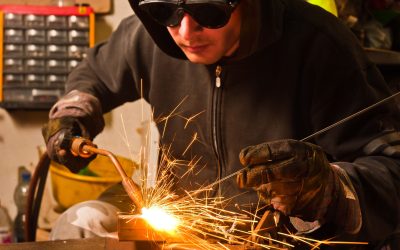
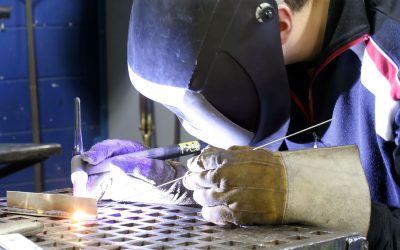
A quick, efficient and permanent option to mount metal cable tie bases to metal surfaces is to use drawn arc or capacitive discharge welding technology.
The Process
Using CD or drawn arc stud welding technology to attach cable mounts means the process can be completed in just seconds. The mounts are automatically fed into the gun, and it just needs to be positioned and then triggered to provide a precise weld of the mount to the metal surface in fractions of a second in one single operation.
Options to Consider
Different designs in cable tie bases offer different advantages to running single cables or bundles. In general, look for mounts with significant wings that prevent the cable from rolling out of the mount and hanging by the fastener.
The wings should also be slotted, allowing for quick application and tightening of zip ties to keep the cable firmly in place. The wings and the edges of the mounts should also be rolled. This prevents sharp edges from causing wear on the cable sheath over time, particularly in applications where there may be vibration to consider such as building and equipment frames or even in processing environments.