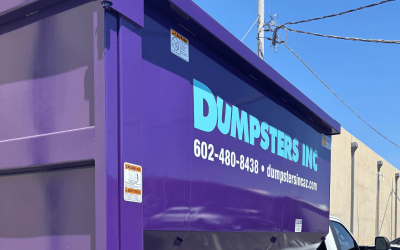
A same-day dumpster rental provides an on-site container for collecting approved items when a storage unit must be cleared on short notice. Availability depends on the service location, container inventory, delivery access, and the types of materials being removed.
Storage unit deadlines can arise because a rental agreement is ending, a facility has issued a move-out date, or the contents need to be transferred quickly. Planning the cleanup before loading begins helps prevent rushed decisions, access problems, and improperly discarded materials.
Why Do Storage Unit Cleanouts Require Careful Planning?
A storage unit may contain years of accumulated possessions packed into boxes, bins, and furniture. It can be difficult to estimate the total volume until items are removed and sorted.
The contents may also include a mixture of reusable belongings, personal records, household waste, bulky furniture, electronics, liquids, and restricted products. Not everything should be placed in a dumpster.
Before scheduling a container, review the facility’s rules and confirm the exact deadline. Some storage facilities limit where vehicles and dumpsters can be placed or how long loading areas may remain occupied. Facility management may require advance approval even when the customer needs a same-day rental.
What Should Be Done Before the Cleanout Begins?
Start by confirming access to the unit and identifying the person authorized to remove its contents. Bring the gate code, unit key, identification, and any documents required by facility management.
A quick initial inspection can help divide the contents into broad categories:
- Items to keep
- Items suitable for donation
- Materials that may be recycled
- Personal records requiring secure handling
- Approved waste
- Restricted or questionable materials
- Items belonging to another person
Do not begin by throwing everything into the dumpster. Important documents, photographs, jewelry, financial records, keys, and small valuables may be hidden inside boxes, drawers, or furniture.
Sorting first also produces a more accurate estimate of how much dumpster space is actually needed.
How Can the Waste Volume Be Estimated?
Storage units are measured by floor dimensions, but the unit size does not equal the debris volume. A densely packed small unit may contain more material than a larger unit used only for several pieces of furniture.
Estimate the load by considering:
- Unit dimensions
- How high the contents are stacked
- Number of large furniture pieces
- Quantity of boxes and storage bins
- Presence of appliances or equipment
- Amount of material being retained
- Whether bulky items can be safely reduced
- Additional debris stored outside boxes
Photographs taken from the doorway and inside the unit can help document the volume. However, an estimate should leave room for items hidden behind furniture or beneath stacked containers.
A roll off dumpster rental may provide a practical collection point for approved storage unit contents in Buckeye. Before booking, the customer should describe the materials, project location, facility restrictions, and required delivery time.
Can a Dumpster Be Delivered to a Storage Facility?
Delivery depends on the property layout and the facility owner’s permission. The customer does not automatically have authority to place a dumpster in a shared drive aisle, parking area, or loading zone.
Ask facility management:
- Whether outside dumpsters are permitted
- Where a container may be positioned
- How long it may remain on the property
- Whether proof of service is required
- Which gate the delivery truck should use
- Whether access codes work for large vehicles
- What hours delivery and pickup are allowed
- Whether the customer must remain on-site
The placement area must be stable, accessible, and clear of parked vehicles. It should not block neighboring units, emergency routes, gates, fire equipment, or facility traffic.
If the facility will not allow a waste dumpster rental on the property, another approved placement location may be required. This issue should be resolved before the container is dispatched.
What Materials Require Separate Handling?
Storage units can contain items that should not enter a standard waste container. These may include paint, oil, fuel, batteries, chemicals, refrigerants, medical waste, and other regulated products.
Unmarked containers should be handled cautiously. Do not open, mix, pour out, or discard an unknown liquid simply to finish the cleanout faster. Ask the appropriate local disposal authority how the material should be managed.
Electronics, appliances, tires, and other items may also have separate disposal requirements. Material acceptance varies, so every questionable item should be confirmed with the dumpster provider before loading.
Personal records require another kind of care. Documents containing account numbers, medical information, tax records, or identifying details should be securely destroyed rather than placed loosely in an open dumpster.
How Should the Cleanout Be Organized?
Create separate work zones before moving the contents. One area can hold items being kept, another can hold donation or recycling materials, and a third can be used for approved waste.
Begin with large items that are clearly identified. Load them in a way that uses the container floor efficiently, then place smaller approved debris around them. Avoid leaving large empty spaces between furniture and boxes.
Weight should be distributed throughout the dumpster. All materials must remain below the permitted fill line, and nothing should extend over the container walls.
Keep the area around the dumpster clear. Storage facility traffic may continue during the cleanout, so boxes, furniture, tools, and loose debris should not be left in driving lanes or outside neighboring units.
How Can a Same-Day Deadline Be Managed?
Call early and provide complete information immediately. Same-day dumpster rental is subject to availability, and missing details can delay scheduling.
Be ready to provide:
- The Buckeye service address
- Storage facility contact information
- Desired delivery and pickup timing
- Placement authorization
- Gate instructions
- Estimated debris volume
- Description of the materials
- Potential access restrictions
Assign responsibilities before work starts. One person can sort, another can carry approved debris, and another can supervise the items being retained. A simple inventory list can reduce confusion when several people are helping.
Time should also be reserved for sweeping the unit, inspecting it for forgotten belongings, and confirming the facility’s move-out requirements.
What Should Be Checked Before Pickup?
Inspect the dumpster and surrounding area before collection. Confirm that the load stays below the fill line and contains only approved materials.
Remove loose debris from the drive aisle and check the unit’s shelves, corners, and drawers. Make sure personal property, facility equipment, and items reserved for donation were not loaded accidentally.
The delivery route must be open for pickup. Move vehicles and obtain any updated gate access needed by the driver.
Prepare Before the Storage Deadline Arrives
For a time-sensitive storage unit cleanout in Buckeye, confirm facility permission, identify the materials, estimate the load, and arrange a suitable placement area as early as possible. Contact a local dumpster provider with the full project details to check same-day availability, accepted materials, container options, loading requirements, and pickup timing.