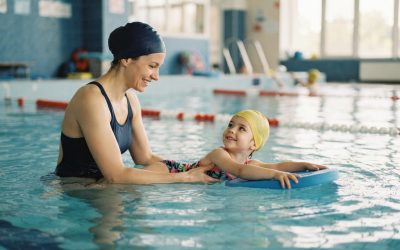
Learning to swim is more than a summer activity; it gives children practical skills they can use around pools, lakes, and other aquatic environments. Parents searching online for a swim school in Plano, TX, can look for lessons that balance water safety, steady skill development, and a supportive learning atmosphere. With consistent instruction and practice, children can become more comfortable in the water while learning how to respond thoughtfully to common situations.
Why Water Safety Comes First
Water safety is a foundation for every swimming lesson. Young swimmers need to understand that water deserves respect, even when they are playing in a familiar pool. Lessons can reinforce simple but essential habits: ask an adult before entering the water, walk rather than run near the pool, stay within designated areas, and follow the instructor’s directions.
Children can also learn what to do if they unexpectedly enter water or feel tired. Depending on their age and ability, instruction may introduce skills such as turning toward a wall, holding onto the edge, floating, or calling for help. These actions do not replace adult supervision, but practicing them can help children respond more calmly.
Parents should remember that swimming ability does not make a child drown-proof. Active supervision remains essential, including when a child has taken lessons or wears a flotation device. At home and during outings, adults should keep young swimmers within close reach and establish clear rules before water play begins.
Confidence Grows Through Small Achievements
A child who feels uncertain may tense up, cling to an adult, or resist putting their face in the water. A patient instructor can make the learning process feel manageable by introducing new experiences gradually. Getting comfortable with splashing, blowing bubbles, or holding the pool wall can be meaningful progress for a beginner.
As children gain skills, they often begin to trust their own abilities. Floating for a few seconds, moving independently toward a nearby wall, or coordinating an arm movement with a kick can turn apprehension into pride. Celebrating these small steps helps children see that improvement comes from practice, not perfection.
Confidence should never mean pressuring a child to do something before they are ready. A reassuring lesson environment allows children to ask questions, take breaks, and move forward at an appropriate pace. When progress feels safe and achievable, many kids are more willing to keep learning.
Skills That Build Toward Independent Swimming
Well-structured lessons generally move from basic comfort to more coordinated movement. The exact order depends on a child’s age, readiness, and experience, but instruction may include:
- Water Adjustment: Entering the pool safely, becoming comfortable with splashes, and practicing breath control.
- Floating and Balance: Learning how the body rests on the water and how to regain an upright position.
- Movement: Practicing kicks, arm motions, and short trips through the water with suitable support.
- Pool Awareness: Recognizing boundaries, locating an exit, and following safety directions.
- Skill Progression: Building endurance and combining movements as control improves.
Clear, age-appropriate instruction helps children understand not only what to do but why a skill matters. Repetition is valuable, especially when it takes place in a calm setting where students receive useful feedback. Parents can ask how lessons are adapted for different ability levels and how instructors measure progress.
How to Choose Lessons That Fit Your Child
Before enrolling, consider your child’s age, comfort in water, prior experience, and personality. Some children enjoy group activities, while others may benefit from more individual attention at the beginning. Ask whether classes are organized by skill level and how instructors support children who feel nervous.
It is also helpful to learn about class size, instructor qualifications, supervision practices, and emergency procedures. A well-run program should explain how children are monitored and what safety expectations apply at the facility. Ask what skills a beginner will work on first and how families will hear about progress.
Convenience matters, too. A schedule your family can maintain makes regular attendance easier, and consistent practice can help skills stick. Choose a location and lesson format that allows your child to participate without making each session feel rushed or stressful.
Reinforce Learning Outside the Lesson
Families can support progress by keeping water experiences positive and supervised. During recreational visits, review pool rules before entering and let children practice familiar skills only in an appropriate setting with an attentive adult nearby. Avoid turning every outing into a test; play, patience, and encouragement can help children associate water with confidence and care.
If your child is anxious, acknowledge the feeling rather than dismissing it. Ask what feels difficult, share the concern with the instructor, and celebrate effort as well as milestones. Progress may be gradual, but steady encouragement can make a difference.
Swimming lessons help children develop practical water awareness, foundational movement skills, and confidence built through achievable steps. By choosing instruction suited to your child and reinforcing safety habits consistently, you can help make learning both positive and purposeful. Most importantly, remember that lessons complement—not replace—close adult supervision whenever children are near water.