Snapshot:
• A qualified driveway paving contractor affects long-term durability through site preparation, material selection, and compaction technique, not just surface appearance.
• Climate and soil conditions in Charlotte, NC influence drainage planning and asphalt thickness decisions.
• Routine sealcoating and crack repair can extend a driveway’s service life well beyond its base installation years.
A properly installed asphalt driveway depends less on the final finish and more on what happens before the first layer goes down. Site grading, subgrade compaction, and drainage planning determine whether a driveway holds up for fifteen years or fails within five, which is why the contractor’s process matters as much as the materials used.
Choosing a Driveway Paving Contractor Charlotte NC means evaluating more than price quotes. The decision affects how well a driveway handles freeze-thaw cycles, heavy vehicle loads, and the clay-heavy soils common across the Charlotte, NC region. Arrow Paving Co has worked on residential and commercial paving projects in the area since 1979, according to business listings that describe the company as a third-generation, owner-operated firm.
What Site Preparation Involves
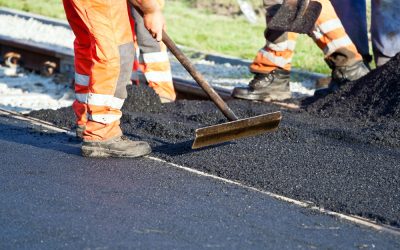
Before any asphalt is laid, a contractor typically evaluates the existing subgrade for stability and moisture retention. Poor subgrade work is one of the most common reasons driveways develop ruts, cracks, or standing water within the first few years.
Key preparation steps generally include:
• Removing old pavement, debris, or unstable soil
• Grading the surface to direct water away from the foundation
• Compacting the subgrade to a consistent density
• Installing an aggregate base layer when the existing soil lacks load-bearing strength
According to the NCDOT asphalt pavement design guidance, even small reductions in surface course thickness can shorten pavement life, since a half-inch reduction can cut expected service life from 20 years to 15. This illustrates why thickness and base preparation are treated as structural decisions, not cosmetic ones.
Material and Thickness Decisions
Asphalt mix design, layer thickness, and compaction standards vary depending on expected traffic load and local climate exposure. Residential driveways do not require the same specifications as commercial parking lots, but they still benefit from adequate depth to resist cracking under seasonal temperature swings.
| Driveway Type | Typical Surface Thickness | Primary Stress Factor |
| Residential driveway | 2 to 3 inches | Freeze-thaw cycling, vehicle weight |
| Commercial lot | 3 to 4 inches | Heavy traffic volume, turning loads |
| Patch/overlay repair | Varies by damage depth | Existing base condition |
Maintenance That Extends Driveway Life
Paving work does not end at installation. Sealcoating, crack filling, and periodic inspection reduce water infiltration, which is the primary cause of base failure in asphalt surfaces. Contractors familiar with regional conditions can recommend maintenance timing suited to local rainfall and temperature patterns.
Common maintenance tasks include:
1. Sealcoating every two to three years to block UV and moisture damage
2. Filling surface cracks before winter freeze cycles widen them
3. Patching isolated damage before it spreads to the base layer
4. Monitoring drainage paths after major storms
Why Local Familiarity Matters
Soil composition, drainage patterns, and seasonal weather in Charlotte, NC differ from other regions, which affects how a driveway should be graded and compacted. Based in the USA, Arrow Paving Co serves customers across Charlotte, NC, applying regionally relevant techniques rather than a uniform national approach. Contractors who regularly work in a specific service area tend to better anticipate how local clay soils and rainfall patterns affect long-term pavement performance.
Frequently Asked Questions
How long does a properly installed asphalt driveway last? Industry sources generally cite 15 to 20 years with consistent maintenance, though factors like soil quality, climate, and installation depth affect the actual outcome.
Is sealcoating necessary for a new driveway? Sealcoating is typically recommended every two to three years after the initial curing period to protect against UV exposure, water penetration, and oil staining.
What causes early driveway failure? Inadequate subgrade compaction, poor drainage planning, and insufficient surface thickness are among the most frequent causes of premature cracking or rutting.
Does weather affect paving timelines? Asphalt installation generally requires dry conditions and moderate temperatures, so scheduling often accounts for seasonal rainfall and temperature patterns specific to the service region.
Final Notes
A driveway’s long-term performance depends on preparation, material selection, and maintenance consistency rather than appearance alone. Readers evaluating paving options can review site-specific factors, including soil type and drainage, before scheduling an installation or repair project.
Published details for Arrow Paving Co cover the local service area and general project scope.