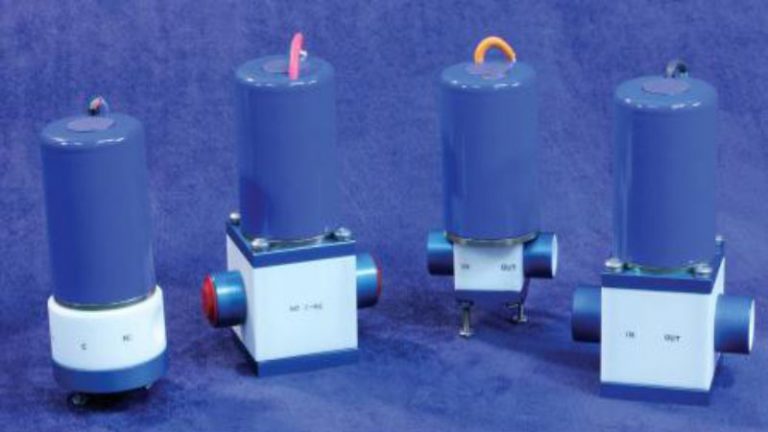
When it comes to working with specific types of materials, including in cleanroom systems, for transferring materials in processing and in systems where it is essential to prevent any type of contamination or reactively with the media, high purity valves are required.
These valves are carefully and precisely designed to meet all industry standards and requirements. These include standards set by ASME, ANSI as well as the FDA, depending on the specific use. The design and the choice of materials used in the production of the valve are critical for the valve to operate correctly, have a long-life cycle and stand up to the demands and challenges of the specific media and system.
Choice of Materials
The exterior of the valves is never in contact with the media, so it is less important than the coating or the materials used on the internal components of the valve other than from a durability standpoint.
With most high purity valves, the interior wetted surface of the valve is made from PFTE. This is also known as polytetrafluoroethylene, or more commonly as Teflon. It is highly corrosion resistant, it creates an almost frictionless surface to avoid any change in the flow rate of the media, and it is also neutral and will cause a reaction with the media in the system.
The Design and Manufacturing
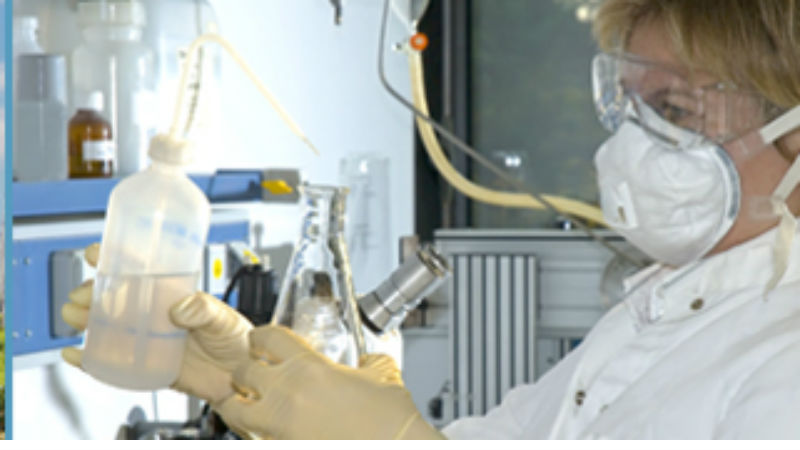
The design and manufacturing of high purity valves must be carefully quality controlled. These valves are typically manufactured, assembled and even packaged in cleanroom environments.
The design of these valves is precisely developed to improve maintenance-free operation over extended duty cycles. It is also designed to be highly effective and reliable even in the extreme types of working environment. Top companies have their own design in the valves, and they offer both standard and custom valve options to meet the requirements of their customers.