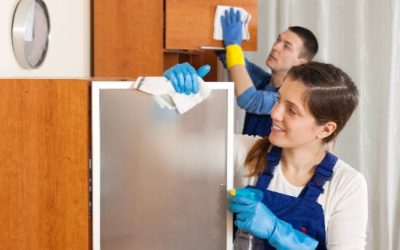
For small business owners, maintaining a clean and organized work environment often takes a back seat to daily operations. However, neglecting the cleanliness of your space can have long-term consequences for employee health, client impressions, and overall productivity. While routine tidying is essential, it often doesn’t go far enough. That’s where commercial deep cleaning comes into play.
Unlike everyday cleaning, deep cleaning provides a comprehensive and thorough approach that targets areas commonly overlooked. When paired with consistent office cleaning services, it creates a safer and more professional environment—one that can benefit both employees and customers alike.
What Is Commercial Deep Cleaning?
Commercial deep cleaning involves more than just emptying trash cans and vacuuming carpets. It’s a systematic process that addresses built-up grime, bacteria, and dust throughout a facility. These services often include:
- Cleaning air vents, baseboards, and high-touch surfaces
- Scrubbing restrooms and breakrooms
- Deep carpet and upholstery cleaning
- Sanitizing keyboards, telephones, and shared workstations
- Washing interior windows and glass doors
- Removing cobwebs and dust from ceilings and corners
Deep cleaning also improves indoor air quality and reduces the spread of germs, making it a smart investment for health and hygiene in shared office environments.
The Hidden Risks of Skipping Deep Cleaning
While a workspace may look clean on the surface, hidden contaminants often accumulate in less-visible areas. High-traffic flooring, communal spaces, and ventilation systems can become hotspots for bacteria and allergens.
Here are some of the risks associated with skipping regular deep cleans:
- Increased sick days: Germs can spread quickly in office environments, especially if surfaces are not properly disinfected.
- Allergy flare-ups: Dust, mold, and pet dander can build up in carpets and vents, triggering symptoms for sensitive employees.
- Poor first impressions: A dirty office can impact how clients perceive your professionalism.
- Equipment wear and tear: Dust and grime can damage electronics and reduce their lifespan.
These issues can lead to lower productivity, higher maintenance costs, and even reputational damage.
Office Cleaning Services vs. Deep Cleaning: What’s the Difference?
It’s important to understand the distinction between regular office cleaning services and commercial deep cleaning.
Office cleaning services typically include:
- Daily or weekly trash removal
- Dusting desks and shelving
- Surface wiping in restrooms and kitchens
- Vacuuming floors
- Refilling hand soap and paper products
These services are ideal for ongoing upkeep, but they don’t address the hidden buildup in carpets, vents, and behind office furniture. That’s where commercial deep cleaning becomes essential. It complements regular cleaning by ensuring your office receives a periodic, intensive refresh, restoring cleanliness from the inside out.
Benefits of Regular Commercial Deep Cleaning for Small Businesses
1. Healthier Work Environment
Deep cleaning reduces the presence of viruses, bacteria, and allergens. This leads to fewer employee illnesses and improved morale, especially during cold and flu seasons. Clean workplaces also support employees with allergies or respiratory conditions by improving air quality.
2. Enhanced Professional Image
Clients, vendors, and customers notice when an office is well-maintained. Clean windows, polished floors, and fresh-smelling rooms reflect positively on your business. Regular deep cleaning helps maintain a polished appearance that builds trust and credibility.
3. Improved Productivity
Clutter and dirt can be distracting. A clean workspace promotes better focus and efficiency. When employees feel comfortable in their surroundings, they’re more likely to stay engaged and motivated.
4. Extended Lifespan of Office Materials
Carpets, furniture, and equipment last longer when properly cleaned. Dust and grime can degrade materials over time, leading to premature replacement and additional costs. Deep cleaning protects your investment in office infrastructure.
5. Compliance and Safety
Depending on your industry, cleanliness standards may be regulated by local or national guidelines. Regular commercial deep cleaning helps ensure your business stays compliant, reducing the risk of violations or fines.
How Often Should Small Businesses Schedule Deep Cleaning?
The frequency of commercial deep cleaning depends on the size of your space, the number of employees, and the nature of your business. For most offices, a quarterly deep cleaning is sufficient. However, if your business experiences high foot traffic or operates in a healthcare or food service-adjacent setting, more frequent service may be necessary.
Scheduling deep cleaning in conjunction with regular office cleaning services creates a comprehensive cleaning plan that keeps your workspace consistently maintained and ready for business.
Final Thoughts: Deep Cleaning Supports Long-Term Business Success
Cleanliness is a reflection of your company’s values. Maintaining a spotless work environment is more important than ever. While daily cleaning helps manage the visible mess, commercial deep cleaning addresses the hidden dirt that can affect health, performance, and professional image.
For small businesses striving to create a positive, productive environment, deep cleaning is not a luxury—it’s a necessity. To make the most of your investment, consider working with a trusted cleaning service provider like InsideOut Cleaning to ensure your office receives the attention it deserves.