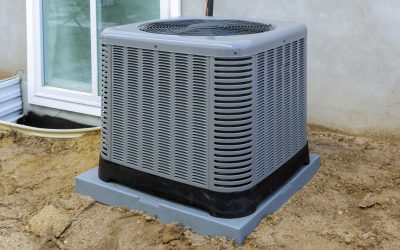
In today’s fast-evolving world, the demand for skilled professionals in the heating, ventilation, and air conditioning (HVAC) industry is on the rise. As technological advancements continue to reshape this field, aspiring HVAC technicians must undergo comprehensive training to succeed. This article explores the essential skills acquired through HVAC technician training and how they pave the way for a successful career in the USA.
Understanding HVAC Technician Training
HVAC technician training encompasses a broad range of skills necessary to install, maintain, and repair heating and cooling systems. The training is designed to provide both theoretical knowledge and hands-on experience, ensuring that technicians are well-prepared to meet industry demands.
Key Components of HVAC Training
1. Technical Knowledge: At the core of HVAC technician training is a deep understanding of the systems and components involved. This includes learning about refrigeration cycles, electrical systems, and the operation of various HVAC units.
2. Practical Skills: Training programs emphasize hands-on experience, allowing students to apply what they’ve learned in real-world scenarios. This practical approach builds confidence and competence in dealing with actual HVAC systems.
3. Problem-Solving Abilities: HVAC technicians often face complex challenges that require quick and effective solutions. Training programs focus on enhancing analytical skills to troubleshoot and resolve issues efficiently.
4. Safety Protocols: Working with HVAC systems involves potential hazards. Training ensures that technicians are well-versed in safety standards and practices, minimizing risks during installation and maintenance.
5. Customer Service: Technicians frequently interact with clients, making communication skills essential. Training includes modules on customer service to ensure technicians can explain technical details clearly and courteously.
6. Regulatory Compliance: Understanding and adhering to industry regulations is crucial. Training covers the legal and environmental standards governing HVAC work to ensure compliance.
Benefits of HVAC Technician Training
• Job Security: With an increasing demand for HVAC services, trained technicians enjoy a stable job market. The skills acquired during training make them indispensable in various sectors, including residential, commercial, and industrial settings.
• Career Advancement: Training opens doors to numerous career paths. Technicians can specialize in areas such as installation, maintenance, or system design, and even advance to supervisory or managerial roles.
• Competitive Salaries: Skilled HVAC technicians often command attractive salaries, reflecting the expertise and dedication required in the field. Continuous training and certification can further enhance earning potential.
HVAC technician training is a crucial step for anyone aspiring to excel in this dynamic industry. By equipping individuals with essential skills such as technical expertise, problem-solving, and customer service, training programs lay the foundation for a rewarding career. As the demand for HVAC systems continues to grow, well-trained technicians will remain vital to ensuring comfort and efficiency in homes and businesses across the USA.
In summary, investing in comprehensive HVAC technician training not only enhances job prospects but also contributes significantly to personal and professional growth.