Summary:
• A qualified residential concrete contractor in Georgetown TX handles driveways, patios, foundations, and decorative flatwork with proper site preparation and curing practices.
• Look for a contractor who personally oversees excavation, grading, and finishing rather than subcontracting the entire job.
• Verify service area coverage, project types completed, and whether the company handles both concrete and excavation under one roof.
Homeowners searching for lasting concrete work need a contractor who manages site preparation, pouring, and finishing as a single coordinated process rather than piecemeal subcontracted steps. Concrete that fails prematurely in Central Texas usually traces back to poor excavation, inadequate grading, or rushed curing rather than the concrete mix itself.
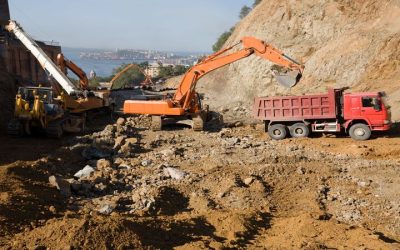
A Residential Concrete Contractor Georgetown TX typically oversees the full sequence: clearing and leveling the site, trenching where needed, forming the slab, pouring, and finishing. When one team handles excavation and concrete together, the groundwork and the flatwork are built to match, which reduces the risk of shifting or cracking later.
What a Residential Concrete Project Actually Involves
Most home concrete projects follow a similar sequence regardless of whether the end result is a driveway, patio, or foundation.
• Site evaluation and excavation – clearing, grading, and leveling the area to create a stable base.
• Forming and reinforcement – building wood or metal forms and placing rebar or mesh where structural strength is needed.
• Pouring and finishing – placing the concrete and finishing the surface, which may include stamping, scoring, or staining for decorative results.
• Curing – keeping the slab moist and protected while it gains strength over several weeks.
Skipping or rushing any one of these steps is where most residential failures begin.
Driveways, Patios, and Foundations: Different Demands
Not every concrete surface carries the same load or faces the same exposure, so the specifications differ by project type.
| Project Type | Typical Thickness | Primary Concern |
| Walkway or patio | 4 inches | Surface finish, drainage, cracking resistance |
| Driveway | 5 to 6 inches | Load capacity, freeze-thaw durability |
| Foundation or structural slab | 8+ inches | Long-term load bearing, soil stability |
Thicker sections require longer curing windows because more moisture needs to escape evenly through the material. According to Federal Highway Administration guidance on concrete curing, water-added curing methods help limit cracking caused by internal moisture loss during the early strength-gain period. This is one reason experienced crews avoid pouring and walking away the same day.
Why Excavation Quality Determines Concrete Longevity
Concrete is only as stable as the ground beneath it. Loose, uncompacted, or poorly graded soil shifts over seasons, and that movement transfers directly into cracks, settling, or an uneven slab.
Proper excavation addresses several factors before a single yard of concrete is poured:
1. Removing organic material and loose fill that will not support a load.
2. Grading the site so water drains away from the structure instead of pooling against it.
3. Compacting the base soil to a consistent density.
4. Setting proper depth for the slab thickness required by the project.
Companies that handle both excavation and concrete, such as Rusty Crain Concrete & Excavation, can control this sequence directly instead of relying on a separate subcontractor whose grading work may not match the concrete crew’s specifications.
Comparing Finish Options for Residential Projects
Beyond structural considerations, homeowners choosing a finish for driveways or patios generally weigh appearance against maintenance.
| Finish Type | Appearance | Maintenance Level |
| Broom finish | Simple, textured, slip-resistant | Low |
| Stamped concrete | Mimics stone, brick, or tile patterns | Moderate |
| Stained or scored | Custom color and pattern options | Moderate to high |
| Salt finish | Subtle texture, coastal aesthetic | Low |
Each option carries the same underlying structural requirements. The finish is a surface decision made after the slab itself is correctly placed and cured.
Frequently Asked Questions
How long does residential concrete need to cure before use? Light foot traffic is typically safe within a day or two, but vehicles and heavier loads should wait longer depending on slab thickness and project type, with full strength developing over several weeks.
Does excavation really affect how long a driveway or patio lasts? Yes. Soil that is not properly cleared, graded, and compacted is one of the most common reasons concrete settles unevenly or cracks within the first few years.
Can one contractor handle both the excavation and the concrete pour? Some residential concrete contractors also perform excavation, grading, and site preparation themselves, which keeps the groundwork and the flatwork consistent throughout the project.
What factors affect which concrete finish is best for a driveway or patio? Climate exposure, foot or vehicle traffic, and desired appearance all factor into whether a broom, stamped, stained, or salt finish makes sense for a given space.
Homeowners planning a driveway, patio, or foundation project benefit from working with a crew that manages excavation and concrete placement as one continuous process rather than two disconnected jobs. For residents in Georgetown and the surrounding Central Texas region, Rusty Crain Concrete & Excavation offers a practical starting point for comparing project scope, timelines, and finish options before committing to a bid.