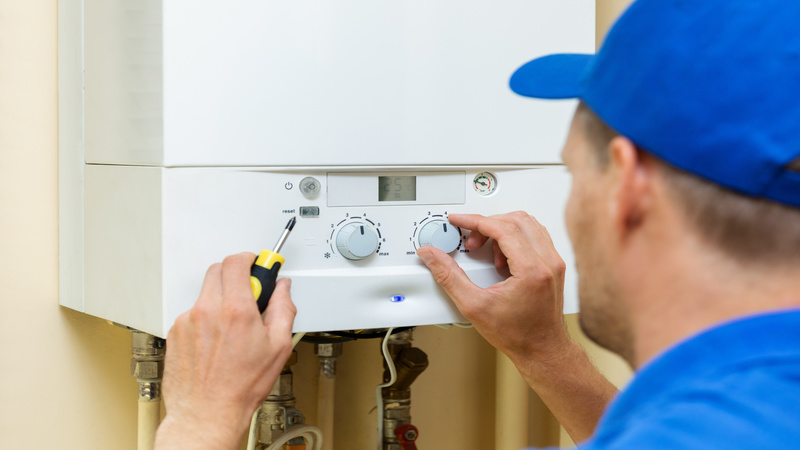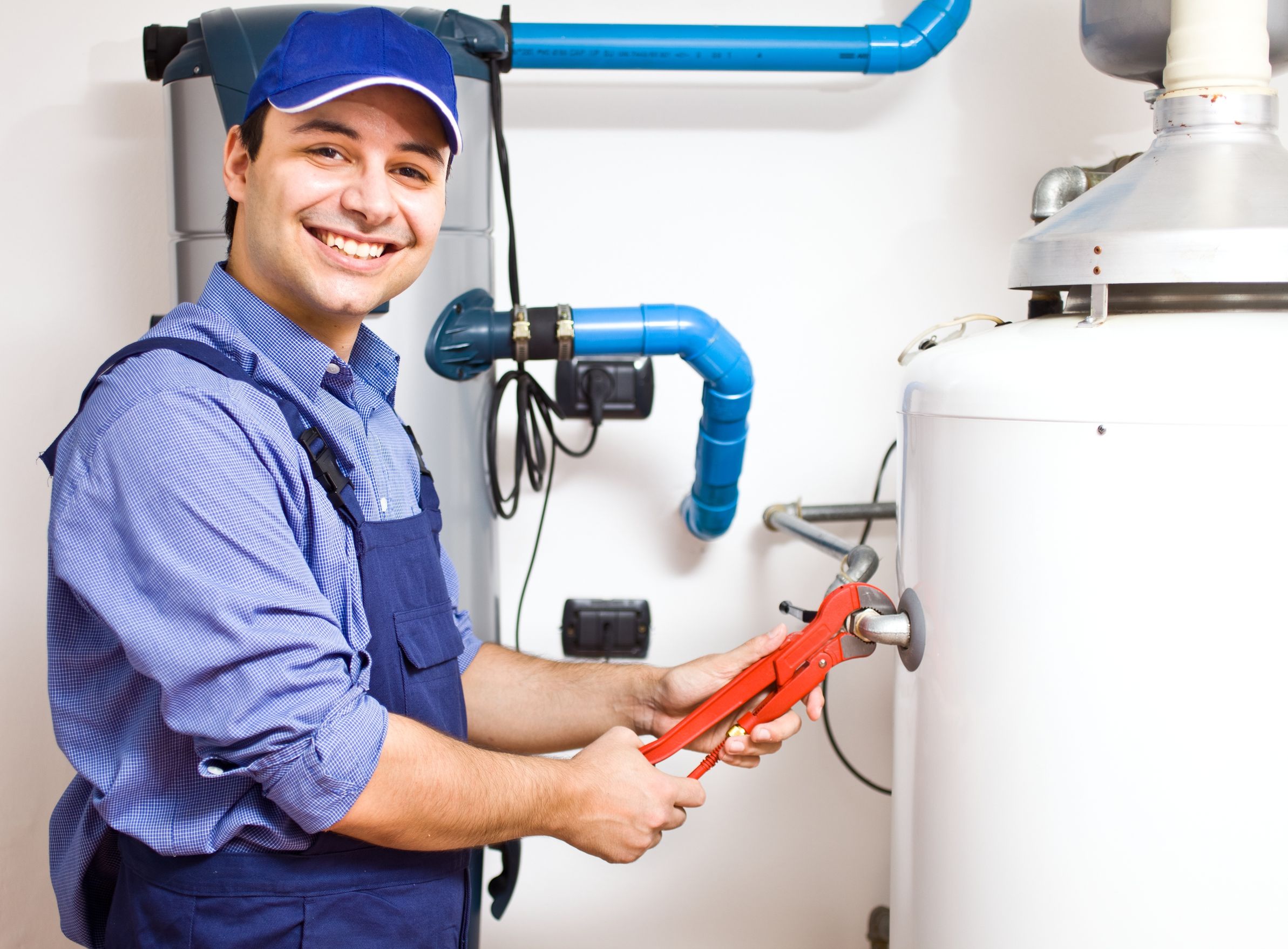
A malfunctioning water heater can disrupt daily routines, from morning showers to household chores. Las Vegas residents understand the importance of a reliable supply of hot water, especially given the area’s unique climate and water conditions. Before searching for Water Heater Repair in Las Vegas, NV, it’s common for homeowners to try a few troubleshooting steps on their own. These preliminary actions can sometimes resolve minor issues or at least help professionals diagnose the problem faster, ultimately saving time and reducing repair costs.
1. Identifying the Symptoms
The first step homeowners usually take is to carefully observe and identify the symptoms their water heater is exhibiting. Common signs of trouble include:
- No hot water or insufficient hot water
- Strange noises, such as popping or rumbling
- Water that appears discolored or has an unusual odor
- Leaks around the base of the water heater
- Fluctuating water temperatures
By pinpointing the issue, homeowners can communicate the problem more clearly when scheduling a repair call, ensuring the technician arrives prepared.
2. Checking the Power Source
Before assuming the worst, homeowners often check the water heater’s power source. For electric water heaters, this means:
- Ensuring the unit is plugged in
- Checking the circuit breaker to see if it has tripped
- Resetting the heater’s dedicated switch, if present
For gas water heaters, they may:
- Confirm the pilot light is lit.
- Verify the gas supply is on and functioning.
Sometimes, a simple reset or relight can restore hot water, making a service call unnecessary.
3. Inspecting the Thermostat Settings
Another common step is to check the water heater’s thermostat settings. Homeowners may:
- Ensure the thermostat is set to an appropriate temperature (typically around 120°F)
- Adjust the temperature slightly to see whether it triggers the heater to turn on.
- Check if the thermostat appears to be malfunctioning or unresponsive.
Incorrect settings or a faulty thermostat can often be the root cause of hot water problems.
4. Looking for Visible Leaks or Corrosion
Water pooling around the heater or visible rust on the tank can indicate more serious issues. Homeowners usually:
- Inspect the area around the base of the unit for leaks.
- Examine pipes and fittings for signs of corrosion or moisture.
- Look for rust-colored water, which may signify tank deterioration.
Early detection of leaks or corrosion helps prevent extensive water damage and gives the repair technician valuable information.
5. Flushing the Water Heater
Sediment buildup is a common problem in areas with hard water, such as Las Vegas. Homeowners sometimes attempt to flush the tank by:
- Turning off the power or gas supply to the heater
- Attaching a hose to the drain valve and draining several gallons of water
- Observing if sediment or debris is present in the drained water
Flushing the tank can improve efficiency and may resolve minor heating issues, but excessive sediment often requires professional intervention.
6. Reviewing the Warranty and Maintenance Records
Before calling for a repair, it’s wise to check the water heater’s warranty and maintenance history. Homeowners often:
- Locate warranty documents to determine if the unit is still covered.
- Review maintenance logs for past repairs or recurring issues.
- Note the water heater’s age, as older units may be better candidates for replacement than repair.
Having this information readily available helps during discussions with a service professional and can influence repair decisions.
7. Gathering Essential Information
To facilitate a smooth repair process, homeowners typically gather key details such as:
- The make, model, and serial number of the water heater
- A description of the problem, including when it started and any troubleshooting steps already taken
- Photos or videos of leaks, error codes, or unusual sounds
Providing comprehensive information ensures that technicians are well-prepared and can bring the necessary tools and parts.
8. Determining When to Call a Professional
After performing these preliminary checks, homeowners assess whether the issue is beyond their expertise. Persistent leaks, electrical problems, gas supply issues, or significant corrosion are all signs that professional repair is necessary. Attempting complex repairs without proper training can be dangerous and may void warranties.
When the problem requires expert attention, scheduling a repair call with a qualified technician helps ensure a safe, lasting solution.
For Las Vegas residents seeking prompt, reliable water heater help, Fast Plumbing Service stands out as a trusted partner, offering expert solutions and peace of mind for all water heater repair needs in the region.