Short version:
• Oversized or undersized AC units cause uneven cooling, high humidity, and higher energy bills.
• Skipped load calculations, poor duct sizing, and incorrect refrigerant charge are among the most frequent installation errors.
• Checking permits, matched-system certification, and SEER2 compliance helps homeowners in Temecula, CA avoid costly rework.
A poorly installed air conditioner can run nonstop without actually cooling a home, push utility bills higher, and wear out years ahead of schedule. The usual culprits are equipment that is the wrong size, ductwork that can’t handle the load, and load calculations that were skipped during setup. optimalairhvac.com can assess an existing installation and advise on the right fix.
Getting air conditioner installation right from the start matters more in a climate like Temecula’s, where summer temperatures regularly push cooling systems to their limits for months at a time. A unit that is slightly mismatched to a home’s square footage, insulation, or window exposure can struggle through an entire season rather than cycling efficiently.
Sizing Errors That Lead to Poor Performance
Equipment sizing is where most installation problems begin. A system that is too large cools a space quickly but shuts off before it removes enough humidity, leaving rooms feeling clammy even at the right temperature. A system that is too small runs nonstop and still cannot keep up during peak heat.
Proper sizing depends on a load calculation, not a flat square-footage estimate. Contractors use a method known as Manual J, which factors in ceiling height, window orientation, insulation quality, and occupancy rather than guessing based on home size alone.
Common sizing mistakes include:
• Relying on the size of the old unit without reassessing the home’s current insulation or windows
• Ignoring west-facing rooms or high ceilings that add cooling load
• Skipping a room-by-room assessment for additions or renovated spaces
Ductwork and Airflow Problems
Even a correctly sized unit will underperform if the ductwork cannot move air efficiently. Leaky, undersized, or poorly routed ducts are a frequent source of uneven cooling between rooms, and they can waste a significant share of conditioned air before it ever reaches a vent.
A duct evaluation during installation checks for:
1. Leaks at joints and connections that let cooled air escape into attics or crawl spaces
2. Duct diameter that matches the airflow (cfm) required by the new equipment
3. Proper return air sizing so the system can pull air back efficiently
Skipping this step is one of the reasons two homes with identical AC units can perform very differently.
Refrigerant, Electrical, and Code Compliance Mistakes
Refrigerant charge is another area where installation shortcuts cause long-term damage. Overcharging or undercharging a system strains the compressor and reduces cooling capacity, often without an obvious symptom until the unit fails early.
Efficiency standards have also changed in recent years. The Department of Energy sets regional SEER2 minimums, and as of January 2025, products must reach a higher threshold to qualify for the federal energy efficiency tax credit, according to Energy Star guidance cited in a 2025 AC sizing resource. Confirming that a proposed system meets current regional requirements, rather than outdated figures, helps avoid compliance issues after installation.
Other recurring mistakes include:
• Installing a condenser and indoor coil from mismatched brands or model lines, which prevents the system from reaching its rated efficiency
• Skipping required permits or final inspections
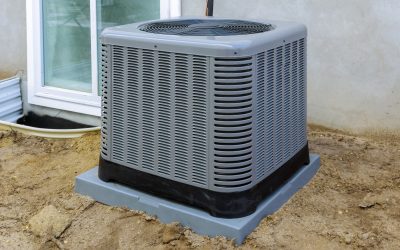
• Placing the outdoor unit too close to walls or landscaping, restricting airflow around the condenser
| Installation Step | Common Mistake | Why It Matters |
| Load calculation | Sizing by rule of thumb only | Leads to short-cycling or weak cooling |
| Ductwork | Ignoring leaks or undersized runs | Causes uneven temperatures room to room |
| Equipment matching | Mixing unmatched coil and condenser | Equipment cannot reach rated SEER2 output |
| Permits and inspection | Skipping local sign-off | Can affect warranty and resale disclosures |
Frequently Asked Questions
How long does a properly installed central air conditioner typically last? Industry guidance generally places the service life of a well-maintained central air conditioner between 15 and 20 years, though installation quality and regular maintenance affect that range significantly.
Does a bigger AC unit cool a home faster and better? An oversized unit cools quickly but cycles off before removing enough humidity, which can leave a home feeling warm and damp despite reaching the set temperature.
Why does ductwork condition matter if the AC unit itself is new? Leaky or undersized ducts can lose conditioned air before it reaches living spaces, so even a correctly sized new unit will underperform if the duct system was not evaluated during installation.
Is a permit always required for AC installation in Temecula, CA? Permit requirements vary by project scope and local jurisdiction, so homeowners in Temecula, CA should confirm requirements with the local building department before work begins.
Avoiding these mistakes generally comes down to insisting on a documented load calculation, a duct inspection, and confirmation that the installed equipment is AHRI-matched and code-compliant before the job is considered finished. Homeowners comparing quotes can ask contractors directly whether these steps are included in the proposal. For service history or customer feedback in the area, homeowners can Find Optimal Air Heating & Air Conditioning on Google Maps.