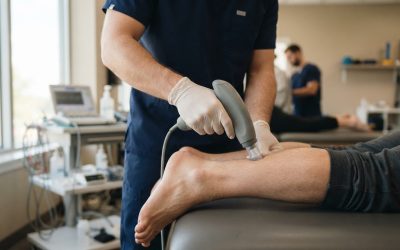
Tendon injuries, whether caused by overuse, trauma, or repetitive movements, can be a significant source of discomfort and limitation. If you’re dealing with tendon pain, you’ve likely heard about physical therapy as a traditional method for treatment. However, there’s a newer approach gaining popularity: shockwave therapy. For residents of Santa Ana and Irvine, CA, shockwave therapy offers a non-invasive solution that has proven effective in treating tendon injuries. But how does it compare to physical therapy? In this post, we’ll compare shockwave therapy with traditional physical therapy for tendon injuries and help you understand which treatment might be right for you.
What is Shockwave Therapy?
Shockwave therapy is a non-invasive treatment that uses high-energy sound waves to stimulate healing in injured tissues. It is often used to treat chronic tendon injuries, such as tennis elbow, Achilles tendonitis, and rotator cuff injuries. Shockwave therapy works by promoting increased blood flow to the injured area, which accelerates tissue regeneration and reduces pain.
Unlike traditional physical therapy, which relies on exercise, stretching, and manual techniques, shockwave therapy targets the root cause of the injury by stimulating the healing process directly in the tissue. It has been shown to be effective for conditions that don’t respond well to conventional treatments.
Benefits of Shockwave Therapy for Tendon Injuries
- Faster Healing: Shockwave therapy promotes faster tissue healing by stimulating blood flow to the injured area.
- Pain Reduction: Shockwave therapy helps reduce inflammation and chronic pain, allowing you to return to normal activities more quickly.
- Non-invasive: Unlike surgery or injections, shockwave therapy is non-invasive and requires no downtime.
- Fewer Sessions: Shockwave therapy typically requires fewer treatment sessions compared to physical therapy, making it more convenient for busy individuals.
For those dealing with tendon injuries in Santa Ana or Irvine, CA, shockwave therapy can be a highly effective alternative to more traditional methods.
Traditional Physical Therapy for Tendon Injuries
Physical therapy has long been the standard treatment for tendon injuries. It involves exercises, stretches, and manual manipulation to help strengthen muscles, improve flexibility, and reduce pain. Physical therapists may also use modalities like heat, ice, or ultrasound to assist in the healing process. While effective for many types of injuries, physical therapy can take time, requiring numerous sessions over weeks or even months.
Benefits of Physical Therapy for Tendon Injuries
- Rehabilitation: Physical therapy focuses on rehabilitating the injured area by improving strength and flexibility.
- Personalized Treatment Plans: Physical therapists tailor treatment plans to each individual’s specific needs, considering their injury and physical condition.
- Long-term Results: Physical therapy aims to strengthen the affected tendon and surrounding muscles, providing long-term relief and preventing re-injury.
However, for some tendon injuries, physical therapy alone may not provide sufficient relief, and the healing process may be slow. This is where shockwave therapy may offer an advantage by accelerating recovery.
Shockwave Therapy vs. Physical Therapy: Which is Right for You?
Both shockwave therapy and physical therapy have their place in treating tendon injuries, but they are best suited for different scenarios. Below is a comparison of both treatments based on several key factors:
Speed of Recovery
One of the biggest advantages of shockwave therapy is its ability to speed up the healing process. While physical therapy works to gradually strengthen muscles and tissues, shockwave therapy directly stimulates tissue regeneration, allowing for faster recovery. For individuals who need quicker results, shockwave therapy may be a better option.
Long-Term Effectiveness
While shockwave therapy offers fast pain relief and healing, physical therapy addresses the root causes of tendon injuries by strengthening muscles and improving flexibility. It is essential for long-term recovery, as it helps prevent future injuries. In some cases, a combination of both treatments—shockwave therapy followed by physical therapy—may offer the best outcomes.
Non-Invasiveness and Convenience
Shockwave therapy is non-invasive, which means no incisions, stitches, or downtime. It requires only a few short sessions, each lasting about 15-20 minutes. Physical therapy, on the other hand, typically involves more sessions spread over weeks or months. For individuals with busy schedules or those who prefer a quicker recovery, shockwave therapy is a more convenient option.
Cost and Accessibility
Physical therapy is often covered by insurance, and many clinics offer treatment as part of a standard rehabilitation plan. However, the total cost can add up, especially when long-term treatment is needed. Shockwave therapy, while not always covered by insurance, may be more affordable in the long run due to the fewer treatment sessions required.
How Lee Chiropractic Can Help with Shockwave Therapy in Santa Ana, CA
At Lee Chiropractic, they offer specialized shockwave therapy treatments for residents of Santa Ana and Irvine, CA. If you’re dealing with a tendon injury and want to explore how shockwave therapy can help, our expert team is here to guide you through the process.
Their shockwave therapy services are designed to promote faster healing, reduce pain, and restore function to the injured area. They understand the unique needs of individuals with tendon injuries and offer a personalized treatment plan to ensure the best possible outcome.
For those who are unsure about which treatment to choose, they also offer chiropractic consultations to evaluate your injury and determine the most effective course of action. They may recommend a combination of shockwave therapy and chiropractic adjustments to achieve optimal results.