Snapshot:
• Fire damage restoration follows a clear sequence: safety assessment, water extraction, debris and soot removal, deodorization, and structural reconstruction.
• Acting within the first 24-48 hours significantly limits secondary damage from smoke and moisture.
• Professional restoration teams handle everything from emergency mitigation through final rebuild.
Recovering from a fire is manageable when you understand what happens at each stage. Knowing the process helps you ask the right questions, protect your insurance claim, and avoid costly missteps.
Why the Order of Steps Matters
Fire damage restoration involves repairing not only fire and smoke damage but also water damage left from firefighting efforts, making the process complex and time-sensitive. That layered complexity is exactly why the sequence of steps is not optional — skipping or reordering them leads to hidden mold, lingering odors, or structural failures discovered months later.
According to FEMA’s fire and water damage restoration guidelines, proper drying and smoke removal are crucial within the first 24-48 hours to minimize long-term damage. For Fire Damage Restoration Regina and similar cold-climate markets, that window is especially tight because moisture trapped inside wall cavities during winter can accelerate mold growth before visible signs appear.
The process can take several weeks to a few months, depending on the extent of the fire, water damage from firefighting, and the repairs needed to restore the property to its pre-loss condition. Setting realistic expectations early reduces stress and keeps decisions clear-headed.
The Core Restoration Phases, Step by Step
When the fire damage restoration team arrives, they tackle three main steps to restore your home to its original condition: assessment, cleanup, and restoration. Each phase builds directly on the one before it.
Phase 1 — Safety Assessment and Property Securing
Once the fire department clears the property and any investigation is completed, restoration professionals begin with a damage assessment. This step identifies structural damage, water damage from firefighting, and the extent of soot and smoke residue. They also check for safety hazards such as compromised structural integrity, electrical risks, and areas prone to mold growth.
Bring personal protective equipment for working in and around your home: N95 masks or respirators to protect against inhaling harmful particles, safety goggles to shield your eyes from smoke, ash, and debris, gloves, long-sleeved shirts, long pants, and shoes and socks.
Phase 2 — Water Extraction and Structural Drying
If firefighting efforts leave standing water, water extraction is the next priority. Quickly removing moisture helps prevent further damage and mold growth. Industrial-grade dehumidifiers can be used to dry out walls, floors, and personal belongings as much as possible.
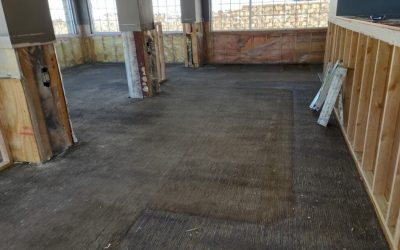
This phase also involves demolition and removal of anything the fire has damaged. For example, damaged drywall and flooring need to be removed, which technicians do during this process step.
Phase 3 — Smoke, Soot, and Odor Remediation
The cleaning phase is one of the most labor-intensive parts of fire restoration. During this phase, the team has to clean up any remnants of the fire, including all soot and smoke stains on the floors, walls, ceilings, and other surfaces.
Once the areas are cleaned, the team then applies deodorizers. This removes any smoke or fire smell in the area. If water damage occurred due to the fire extinguishing techniques, the team may also apply a disinfecting agent and antimicrobial chemicals to prevent mold and bacteria growth.
Phase 4 — Structural Reconstruction
Reconstruction milestones include framing and structural repairs, electrical and plumbing installation, drywall and insulation completion, and flooring installation, followed by painting and trim work, fixtures and appliances, final cleaning, and final inspections.
Comparing Damage Severity and Typical Scope
|
Damage Level |
Typical Areas Affected |
Likely Restoration Scope |
|
Minor |
Single room, surface soot |
Cleaning, deodorizing, repainting |
|
Moderate |
Multiple rooms, some structural |
Drywall removal, drying, partial rebuild |
|
Severe |
Whole structure, roof, framing |
Full demolition of affected areas, reconstruction |
Insurance, Documentation, and Hiring the Right Team
If it is deemed safe to enter your home, start making a list of what items were damaged. If you cannot get into your home yet, you can still start creating a list of big-ticket items that, if damaged, will cost a lot to replace. This will give you a leg up during the claims process.
Contact your insurance provider as soon as possible to begin the claim process. Restoration companies experienced in disaster work can often communicate directly with adjusters, which speeds up approvals and prevents gaps in coverage.
There are many restoration companies out there, but not all of them offer fast, reliable, and affordable services. Compare multiple providers, read reviews, and get quotes to find and hire a local fire restoration company that best fits your needs.
APEC Restoration offers top-rated fire, water, and mold remediation, asbestos removal, and disaster restoration services in Regina, SK. They understand the importance of a quick and efficient response when disaster strikes, which is why they are available 24/7 to assist.
Frequently Asked Questions
How long does fire damage restoration typically take? The process can take several weeks to a few months, depending on the extent of the fire, water damage from firefighting, and the repairs needed to restore the property to its pre-loss condition.
Can I stay in my home during restoration? Avoid entering fire-damaged areas until professionals confirm it is safe. In moderate to severe cases, temporary relocation is usually necessary until structural and air-quality clearances are issued.
What happens to smoke odor if it is not treated quickly? The longer smoke and soot linger, the harder they are to remove. Odor molecules penetrate porous materials like insulation, wood framing, and soft furnishings within hours, making early professional treatment critical.
Does restoration cover water damage from firefighting? Yes. One of the most overlooked challenges after a fire is the water left behind by firefighting efforts. If not addressed promptly, this moisture seeps into floors, walls, and furniture, creating an ideal environment for mold growth.
When fire damage strikes, a structured response is the fastest path back to a safe, livable property. Document everything, call your insurer promptly, and engage a qualified restoration team as early as possible. For residents in the Regina area, APEC Restoration and Renovations provides 24/7 emergency disaster restoration services covering fire, water, and related hazardous abatement needs.