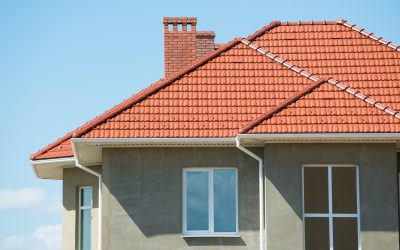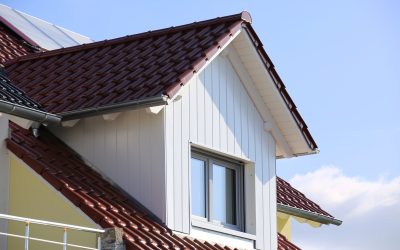
Commercial roofing systems in Phoenix face constant stress from extreme heat, UV exposure, monsoon storms, and year-round temperature fluctuations. Over time, these conditions can weaken roofing materials and lead to issues that require evaluation from professionals. For property owners searching for commercial roofing, affordable roof repair, or reliable roof repair services, knowing whether to recoat, repair, or fully replace a roof is essential for protecting both the building and long-term maintenance budgets.
Valley Roofing & Repair often emphasizes that each solution, recoating, repairing, or replacing, serves a different purpose. Recoating extends the life of an aging roof, repairs address localized damage, and replacement is reserved for more advanced deterioration. Understanding how these options differ helps Phoenix property owners make informed decisions, avoid unnecessary expenses, and support long-term roof performance.
Understanding the Condition of Your Commercial Roof
Before choosing a roofing solution, it’s important to assess the overall condition of the roof. A thorough inspection by a licensed roofing professional helps determine:
- Current membrane condition
- Amount of surface cracking or sun damage
- Presence of leaks or moisture under the membrane
- Performance of drainage systems
- Age of the roof
- Signs of structural stress
Phoenix’s harsh climate often accelerates wear, meaning the same roofing system may age faster than in cooler regions. This makes regular evaluations essential.
When Recoating Is the Best Choice
Recoating is often used to restore the top layer of a commercial roof, especially on systems such as TPO, modified bitumen, and older coatings. This option is suitable when the underlying structure is still in good condition but the surface needs renewed protection.
Recoating Works Best When:
- The current roof is older but structurally sound
- Cracks are limited to the surface layer
- UV exposure has caused fading or mild deterioration
- There is minimal moisture beneath the membrane
- The roof still maintains proper drainage
A high-quality coating creates a protective barrier that reflects sunlight, reduces heat absorption, and adds years of life to the roof. It also helps lower cooling costs—an important benefit for Phoenix property owners.
Recoating is most effective when done proactively rather than waiting until the roof becomes severely damaged.
When Repairing the Roof Is the Smartest Option
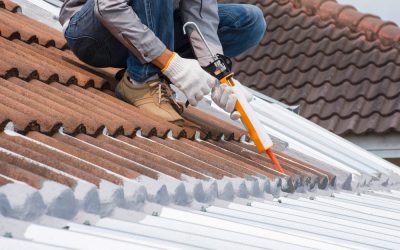
Repairs address localized damage and are often the preferred solution when only specific areas of the roof are compromised. This approach helps maintain the roof’s integrity without the cost of replacement.
Roof Repairs Are Ideal For:
- Isolated leaks
- Storm-related punctures
- Small membrane tears
- Damaged flashing around vents or edges
- Displaced tiles or panels (on hybrid systems)
- Minor drainage issues
Regular maintenance and timely repairs help prevent small issues from becoming major ones. Local roofing contractors often report that early detection significantly reduces long-term expenses, especially for property owners seeking affordable roof repair solutions.
Repairs are best suited for roofs that still have several years of lifespan remaining and show no widespread structural concerns.
When Full Roof Replacement Is Necessary
Although recoating and repairing are less invasive and more cost-effective solutions, there are times when replacement is the only viable option. A full replacement ensures long-term durability and addresses deep structural problems that cannot be resolved by surface-level solutions.
Replacement Is Recommended When:
- The roof is near or past its expected lifespan
- Widespread membrane failure is present
- Moisture has damaged underlying insulation
- The roof structure shows signs of sagging
- Multiple leaks appear across the roof
- Previous repairs are no longer effective
In Phoenix, the combination of heat, storm activity, and environmental wear can accelerate the aging process. When the roof can no longer protect the building consistently, replacement becomes the safest and most long-term solution.
A full replacement also provides an opportunity to upgrade materials to more heat-resistant or energy-efficient systems suited to the desert climate.
Comparing the Three Options: Key Decision Factors
When deciding between recoating, repairing, or replacing, Phoenix property owners should consider:
1. Age of the Roof
Newer roofs (under 10 years old) often benefit most from repairs. Older roofs may require recoating or replacement.
2. Condition of the Membrane
If surface wear is the main issue, recoating is ideal. Deep cracks suggest the need for repairs or replacement.
3. Frequency of Leaks
One leak = likely repair. Multiple leaks = possible replacement.
4. Drainage Performance
Persistent standing water indicates larger issues that may require more than surface treatment.
5. Long-Term Budget
Recoating and repair are more cost-effective short term, while replacement is a long-term investment that reduces future maintenance needs.
6. Building Needs
If the property requires improved energy efficiency or updated roofing technology, replacement may be the best option.
Property owners looking for guidance can explore Valley Roofing & Repair’s expert insights, including their roofing choice guide, which breaks down maintenance and decision factors in more detail.
How Phoenix Property Owners Can Make a Confident Roofing Decision
Whether choosing recoating, repair, or replacement, the goal is to select the solution that protects the building and supports long-term performance. For those researching commercial roofing, affordable roof repair, or professional roof repair services, a structured evaluation helps avoid unnecessary costs and prevents avoidable damage.
Phoenix’s unique environment requires proactive decision-making. By assessing roof age, drainage, membrane condition, and structural health, property owners can make choices that extend roof life and ensure year-round protection.
A well-informed approach to commercial roofing maintenance helps safeguard your property, reduce long-term expenses, and maintain optimal performance in Arizona’s challenging climate.