Summary:
- EV charger installation typically involves a site evaluation, panel capacity check, permitting, and a Level 2 circuit installed by a licensed electrician.
- Permits and inspections are required in most jurisdictions, including Port Orchard, WA, because new 240-volt circuits fall under local electrical code.
- Costs vary based on panel capacity, wiring distance, and whether an electrical panel upgrade is needed.
Electric vehicle owners researching EV Charger Installation generally want to understand the process, expected timeline, and cost of adding a dedicated charging circuit at home. A standard Level 2 installation involves an electrical assessment, permit application, circuit wiring, and a final inspection to verify compliance with local codes. For homeowners in Port Orchard, WA, upgrade to smarter charging with Mark’s Electric LLC provides a way to explore professional installation options and prepare for a home charging setup, regardless of the charger brand they choose.
How the Installation Process Works
A typical EV charger installation follows a predictable sequence of steps, though the exact timeline depends on the home’s existing electrical system.
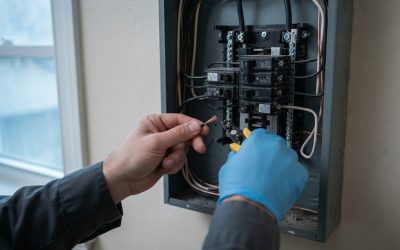
- Site evaluation. An electrician reviews the service panel, available breaker space, and distance from the panel to the parking area.
- Load calculation. The existing panel capacity is checked against the new charger’s continuous electrical draw to confirm it can safely support the added circuit.
- Permit filing. A permit is submitted to the local jurisdiction before work begins.
- Circuit installation. A dedicated 240-volt circuit is run, and the charger is either hardwired or connected to a compatible outlet, such as a NEMA 14-50.
- Inspection. A local inspector verifies the finished work before the charger is approved for regular use.
Most straightforward residential jobs are completed within a few hours once scheduled, though panel upgrades or longer wire runs can extend the timeline.
Permits, Codes, and Why They Matter
Permitting is not optional paperwork; it is the mechanism that confirms breaker sizing, wire gauge, and equipment are installed correctly. According to guidance referencing the National Electrical Code Article 625, EV charging equipment must meet specific circuit and equipment requirements tied to the vehicle’s charging load. Skipping the permit step can create safety risks and complicate home insurance or resale situations later.
Local building departments in Washington State generally require permits for any new dedicated circuit, even when the charger itself simply plugs into an outlet. An inspector confirms items such as breaker size, grounding, and weatherproofing for garage or exterior installations, which is particularly relevant given the region’s wet winter conditions.
Cost Factors to Expect
Pricing for a home charger installation depends on several variables rather than a single flat rate.
| Cost Factor | Typical Impact |
|---|---|
| Panel capacity | Panels with available breaker space cost less than those needing a service upgrade |
| Distance from panel | Longer wire runs increase material and labor costs |
| Charger type | Hardwired units may cost more to install than plug-in configurations |
| Permit fees | Vary by jurisdiction and are typically a smaller line item than labor |
Homes with older or undersized electrical panels may require an upgrade before a charger can be added safely, which adds to both cost and project time. A pre-installation consultation helps identify these variables before work begins, avoiding mid-project surprises.
Choosing a Charger and Preparing Your Home
Level 2 chargers are the most common choice for daily home charging because they recharge a vehicle significantly faster than a standard outlet. Homeowners should confirm their vehicle’s connector type, whether NEMA 14-50, hardwired, or another configuration, before scheduling an installation. Garage or exterior mounting location also affects wiring distance and whether weatherproof equipment is required for Port Orchard, WA’s damp climate.
Based in the USA, Mark’s Electric serves customers across Port Orchard, WA for residential EV charger projects, among other electrical work. Additional background on the business is available through its Mark’s Electric LLC Google Business Profile listing.
Frequently Asked Questions
Do I need a permit for a home EV charger? Most jurisdictions require a permit for any new dedicated circuit, even if the charger plugs into an outlet rather than being hardwired.
How long does a typical installation take? Many standard residential installations are completed within a few hours once the panel has adequate capacity, though complex jobs may take longer.
Will my electrical panel need an upgrade? Not always. An upgrade is only needed if the existing panel lacks sufficient capacity for the added charging circuit.
Can commercial properties get chargers installed too? Yes, commercial installations are possible but typically involve larger-scale planning, including multiple chargers or higher-capacity circuits.
Final Note
Planning ahead for permitting, panel capacity, and charger type helps homeowners avoid delays once installation day arrives. Current details for Mark’s Electric LLC are published for reference regarding the local service area.