When a furnace stops heating, the first concern is often whether the problem is urgent or something simple that can be corrected at home. Before searching for furnace repair in Cincinnati, OH, a few careful checks may reveal an easy fix and help clarify what is happening. Start with basic settings and visible issues, but do not open equipment panels or attempt repairs that involve gas, electrical components, or moving parts.
Start With the Thermostat and Power
A thermostat setting can make a working furnace seem broken. Confirm that it is set to “Heat,” and raise the temperature several degrees above the current room reading. If the screen is blank, replace the batteries if the model uses them. Check that the fan setting is on “Auto” rather than “On”; a fan that runs continuously may circulate air even when the furnace is not actively heating.
Next, check the electrical supply. Look for a tripped furnace breaker in the home’s electrical panel. If it has tripped, reset it once. A breaker that trips again signals a problem that needs professional attention, not repeated resets. Many furnaces also have a nearby service switch that resembles a light switch. Make sure it has not been turned off accidentally.
Check the Air Filter and Vents
A dirty air filter is one of the most common causes of poor heating. When dust and debris restrict airflow, the furnace may overheat, shut down temporarily, or struggle to warm the home. Find the filter compartment and inspect the filter. If it is visibly clogged or due for replacement, install a clean filter of the correct size and type, following the airflow arrows printed on its frame.
Also walk through the rooms and check that supply registers are open and not blocked by furniture, rugs, or curtains. Make sure return-air grilles are clear, too. Restricted airflow can affect comfort throughout the house, even if the furnace itself is operating. After making these checks, allow time for the system to run and see whether the temperature begins to rise.
Look for Simple Signs of a Problem
Notice what the furnace does when it starts. Does it make repeated clicking sounds, run briefly and stop, or blow air that feels cool? These details can help narrow down the issue. If the furnace has a display or status light, note any error code or blinking pattern. Record what appears rather than trying to interpret or reset it without the owner’s manual.
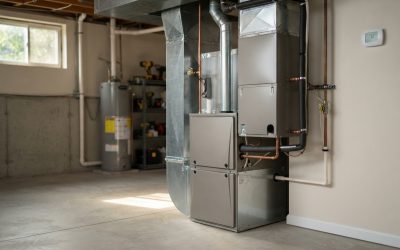
A gas furnace may have a visible pilot light, depending on its design. If the pilot is out, follow the manufacturer’s instructions only if they clearly explain safe relighting. Do not attempt to relight it if you smell gas, feel unsure, or see signs of damage. Leave the area and contact the gas utility or emergency services from a safe location if there is a strong gas odor. Do not operate switches or use a flame.
When to Stop Troubleshooting
Some symptoms call for prompt help rather than more home checks. A carbon monoxide alarm, a strong gas smell, smoke, or burning odors should be treated seriously. Leave the home if needed and contact the appropriate emergency service or utility. Never ignore a carbon monoxide alarm or assume that opening a window resolves the hazard.
Professional service is also appropriate when the furnace repeatedly shuts off, makes loud banging or scraping noises, leaks water, or fails to produce heat after basic checks. Gas connections, ignition systems, motors, and control boards require specialized tools and training. Attempting to repair them can create safety risks, worsen the damage, or affect equipment warranties.
Prepare Before Requesting Service
A little information can make a service visit more efficient. Be ready to describe when the problem began, whether it affects the whole home, what sounds or odors are present, and which checks have already been completed. Share any displayed error code and provide the furnace’s approximate age, if known. Keep the area around the equipment accessible, but do not remove covers or dismantle components.
For homeowners considering furnace repair in Cincinnati, OH, these observations can help explain the symptoms clearly and distinguish a simple airflow or thermostat issue from a mechanical concern. They also help a technician arrive with a better understanding of what may be needed.
A Safe, Practical First Step
Before calling for help, confirm the thermostat setting, check the filter and vents, and verify that the furnace’s power switch and breaker are on. Stop if a breaker trips again, a warning sign appears, or the issue involves gas or internal components. These basic checks may resolve minor problems, and careful notes can make professional diagnosis more straightforward. When the cause is not obvious or the furnace continues to malfunction, timely service is the safest way to restore dependable heat.